Not having a primary care doctor doesn’t mean you’re without options, but it does mean you need a clear plan for staying healthy. Millions of Americans, including many Honolulu residents and visitors, navigate healthcare without a regular physician.
This gap matters more than most people realize, especially when unexpected illness or injury strikes. Knowing where to go and what it costs removes the guesswork.
This guide explains the real risks, practical alternatives like urgent care, and exactly how to protect your health and wallet in Honolulu without a PCP.
What Does a Primary Care Doctor Actually Do?
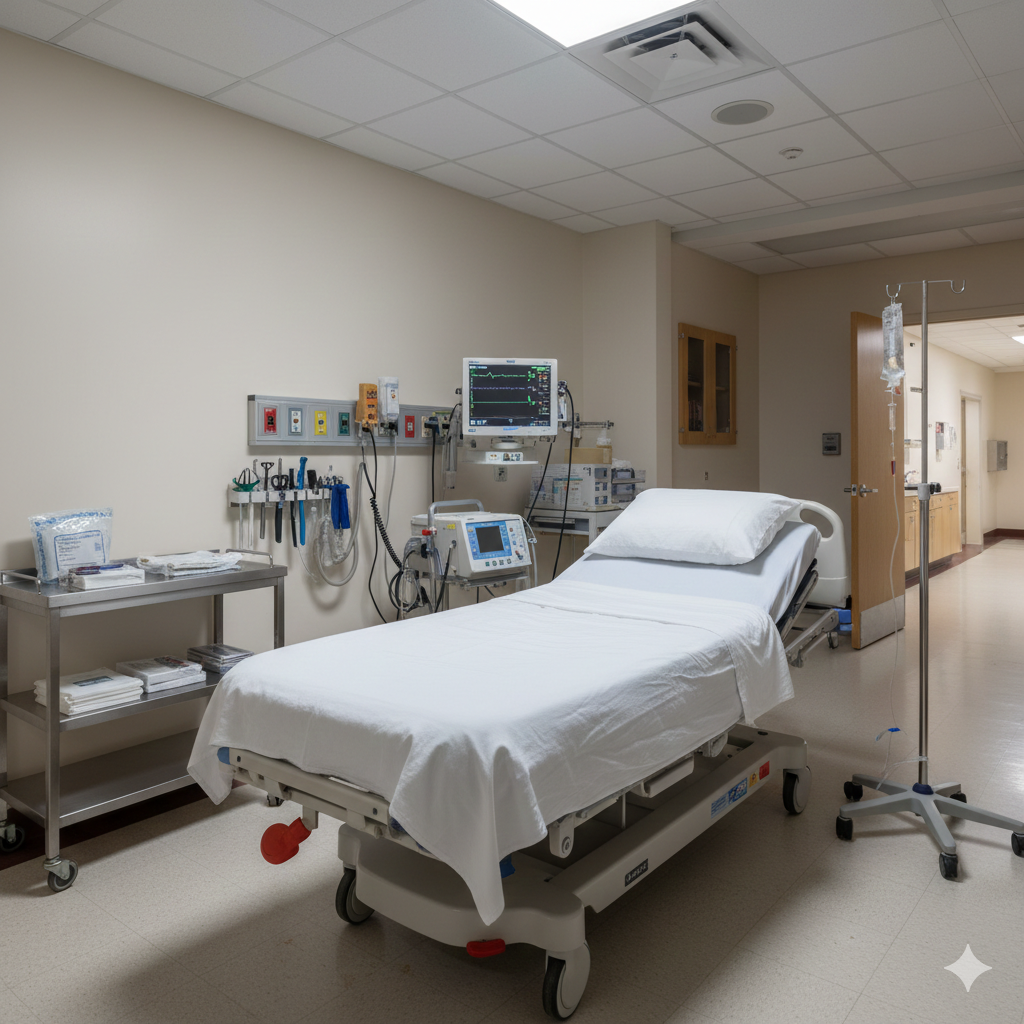
A primary care physician, or PCP, serves as your main point of contact for routine and ongoing healthcare. They track your medical history, order preventive screenings, manage chronic conditions, and coordinate referrals to specialists when needed. Think of a PCP as the central hub of your health record. They see the full picture over time, which helps them catch problems early and keep treatments consistent.
For many people, this relationship builds over years. Your PCP knows your family history, your medications, your allergies, and your baseline health markers. That continuity is valuable. But it’s also something that not everyone has access to, especially in areas with provider shortages or among people who move frequently.
Preventive Screenings and Wellness Visits
One of the core functions of a primary care doctor is scheduling and interpreting preventive screenings. These include blood pressure checks, cholesterol panels, diabetes screenings, cancer screenings, and immunizations. The U.S. Preventive Services Task Force maintains evidence-based recommendations for which screenings adults need and when.
Annual wellness visits also give your doctor a chance to assess your mental health, review medications, and update your health goals. Without a PCP, these screenings often get delayed or skipped entirely.
Chronic Condition Management and Care Coordination
If you live with a chronic condition like hypertension, asthma, diabetes, or thyroid disease, a primary care doctor manages your treatment plan over time. They adjust medications, monitor lab results, and refer you to specialists as needed. They also communicate with those specialists to keep your care aligned.
Care coordination becomes especially important when multiple providers are involved. Without a PCP acting as the central coordinator, patients sometimes receive conflicting advice or duplicate tests, which increases both cost and confusion.
Why Many People in Honolulu Don’t Have a Primary Care Doctor
Not having a PCP isn’t always a choice. For many people in Honolulu, structural barriers make it genuinely difficult to establish and maintain a primary care relationship. Understanding these barriers helps explain why so many residents and visitors rely on alternative care options.
Provider Shortages and Long Wait Times in Hawaii
Hawaii faces a well-documented primary care shortage. The Hawaii State Department of Health has identified multiple Health Professional Shortage Areas across the state, particularly on neighbor islands and in underserved communities on Oahu. Even in Honolulu, new patient wait times for a PCP can stretch weeks or months.
The Association of American Medical Colleges projects a national shortage of up to 124,000 physicians by 2034, with primary care among the hardest-hit specialties. In island communities with limited medical infrastructure, this shortage hits harder and faster.
Visitors, Travelers, and Military Families Without Local PCPs
Honolulu’s population includes a significant number of visitors, military personnel, and temporary residents who don’t have an established local doctor. Tourists from the mainland or international destinations can’t easily see their regular physician when they get sick on vacation. Military families stationed at Joint Base Pearl Harbor-Hickam or other installations often face transitions between TRICARE providers and may experience gaps in primary care access.
For these groups, urgent care clinics serve as the most practical entry point into the local healthcare system. No referral is needed, no prior relationship is required, and walk-in availability means care happens the same day.
Cost and Insurance Barriers to Establishing Primary Care
Even with insurance, establishing care with a new PCP involves copays, potential lab costs, and time off work for appointments. For self-pay patients or those with high-deductible health plans, the upfront cost of a new patient visit can feel prohibitive, especially when they aren’t currently sick.
Uninsured individuals face even steeper barriers. Without coverage, a routine PCP visit can cost $150 to $300+ depending on the provider and tests ordered. This financial reality pushes many people to seek care only when symptoms become urgent, which is exactly where urgent care clinics provide critical value.
Health Risks of Not Having a Primary Care Provider
Being honest about the risks matters. While it’s possible to manage your health without a PCP, doing so does carry real consequences that are worth understanding before you decide how to structure your care.
Gaps in Preventive Care and Early Detection
The most significant risk of not having a primary care doctor is missed preventive care. Conditions like high blood pressure, high cholesterol, prediabetes, and certain cancers often develop without noticeable symptoms. A PCP catches these through routine screenings. Without those screenings, conditions can progress silently until they become more serious and more expensive to treat.
Research published in the Journal of the American Board of Family Medicine consistently shows that patients with a regular source of primary care have better health outcomes, lower hospitalization rates, and reduced overall healthcare spending compared to those who rely solely on episodic care.
Higher Emergency Room Costs Over Time
Without a PCP, many people default to the emergency room when they get sick. ER visits are significantly more expensive than primary care or urgent care visits. The Kaiser Family Foundation reports that the average ER visit costs over $2,000, compared to $150 to $250 for a comparable urgent care visit.
Over time, repeated ER use for non-emergency conditions adds up dramatically. It also contributes to ER overcrowding, which affects wait times for everyone, including patients with genuine emergencies.
When Urgent Care Can Fill the Gap
Here’s the practical reality: if you don’t have a primary care doctor, urgent care is often the best immediate alternative for non-life-threatening medical needs. Urgent care clinics are designed to handle a wide range of conditions without requiring an appointment, a referral, or an existing patient relationship.
Conditions Urgent Care Treats Without a PCP Referral
Urgent care clinics treat a broad spectrum of conditions that would otherwise require a PCP visit or, for some patients, an unnecessary ER trip. Common conditions include:
- Flu, cold, and respiratory infections
- Strep throat and ear infections
- Urinary tract infections
- Minor cuts, burns, and sprains
- Skin rashes and allergic reactions
- Sports injuries and minor fractures
- Nausea, vomiting, and dehydration
- Pink eye and sinus infections
- COVID-19 and flu testing
- Travel health needs and vaccinations
No referral is needed for any of these. You walk in, get evaluated by a licensed medical provider, receive treatment, and leave with a clear plan, often within an hour.
Walk-In Access and Same-Day Availability in Honolulu
One of the biggest advantages of urgent care in Honolulu is accessibility. Most clinics operate on extended hours, including evenings and weekends, which means you can get care outside of traditional office hours. There’s no need to wait weeks for an appointment.
For visitors staying in Waikiki, families in Kailua, or residents anywhere on Oahu, urgent care provides a reliable safety net. You don’t need to be an existing patient. You don’t need to transfer records. You just need to show up.
Urgent Care vs. Emergency Room: Choosing the Right Level of Care
Understanding when to choose urgent care over the ER saves time, money, and stress. The general rule is straightforward:
| Situation | Go To |
| Chest pain, difficulty breathing, stroke symptoms | Emergency Room |
| Severe bleeding that won’t stop | Emergency Room |
| Loss of consciousness or seizures | Emergency Room |
| Broken bones with visible deformity | Emergency Room |
| Flu, fever, sore throat, minor injuries | Urgent Care |
| Sprains, minor cuts, rashes, infections | Urgent Care |
| UTIs, ear infections, stomach bugs | Urgent Care |
| COVID/flu testing, travel health | Urgent Care |
If your condition is not life-threatening, urgent care is almost always the faster, more affordable, and more appropriate choice. ER visits for non-emergency conditions result in longer wait times and significantly higher bills.
How Urgent Care Supports Patients Without a Primary Care Doctor
Urgent care isn’t just a stopgap. For patients without a PCP, it provides structured medical support with clear pricing, insurance guidance, and follow-up coordination.
Transparent Pricing for Uninsured and Self-Pay Patients
One of the biggest concerns for patients without a PCP, especially those who are also uninsured, is cost uncertainty. Urgent care clinics address this directly. Most clinics post their pricing or provide cost estimates before treatment begins.
A standard urgent care visit for a straightforward condition typically costs between $100 and $250 for self-pay patients, depending on the complexity of the visit and any tests or procedures required. This is a fraction of what an ER visit costs for the same condition. Knowing the price upfront eliminates the anxiety of surprise medical bills.
Insurance Coverage and Billing at Urgent Care Clinics
Most urgent care clinics in Honolulu accept a wide range of insurance plans, including HMSA, Kaiser (for out-of-network urgent situations), TRICARE, UnitedHealthcare, Aetna, and many others. Copays for urgent care visits are typically lower than ER copays, often ranging from $25 to $75 depending on your plan.
If you’re unsure whether your insurance covers urgent care, call the clinic before your visit. Front desk staff can verify your coverage and give you a clear picture of your out-of-pocket costs before you see a provider.
Follow-Up Care and Referral Coordination
A common misconception is that urgent care is purely transactional, that you get treated and then you’re on your own. In practice, good urgent care clinics provide follow-up instructions, prescribe medications, and refer patients to specialists or primary care providers when ongoing care is needed.
If your urgent care visit reveals a condition that requires long-term management, the clinic can help connect you with local PCPs or specialists. This bridges the gap between episodic care and the kind of continuous relationship that supports long-term health.
Steps to Take If You Don’t Have a Primary Care Doctor Right Now
If you’re currently without a PCP, whether by choice, circumstance, or because you’re new to Honolulu, there are practical steps you can take today to protect your health.
Use Urgent Care for Immediate Non-Emergency Needs
Don’t wait until a minor issue becomes a major one. If you’re experiencing symptoms that need medical attention but aren’t life-threatening, visit an urgent care clinic. Getting treated early often prevents complications and keeps costs lower.
This applies to residents and visitors alike. You don’t need to be enrolled with a local provider. You don’t need to transfer medical records. Urgent care is built for exactly this situation.
Ask About Establishing Care with a Local Provider
While urgent care handles immediate needs, it’s worth exploring options for establishing a primary care relationship, especially if you live in Honolulu full-time. Ask your urgent care provider for recommendations. Many clinics maintain referral networks with local PCPs and can help you find a provider who is accepting new patients.
Community health centers, such as those operated by the Waikiki Health Center and Kokua Kalihi Valley, offer primary care services on a sliding fee scale for uninsured and underinsured patients.
Keep Personal Health Records Accessible
If you don’t have a PCP managing your records, take ownership of your own health information. Keep a simple file, digital or paper, that includes:
- Current medications and dosages
- Known allergies
- Past surgeries or hospitalizations
- Recent lab results or imaging
- Vaccination records
- Emergency contact information
Bringing this information to any medical visit, whether urgent care, specialist, or ER, helps providers make better decisions faster. It also reduces the risk of duplicate tests or medication interactions.
Conclusion
Not having a primary care doctor is a reality for many people in Honolulu, but it doesn’t have to mean going without quality medical care. Understanding your options, knowing when urgent care is the right choice, and staying proactive about your health records keeps you protected.
Urgent care bridges the gap between no provider and full primary care, offering same-day treatment, transparent costs, and real medical expertise for the conditions that matter most right now.
We’re here when you need us. Honolulu Urgent Care Clinic provides walk-in care, clear pricing, and compassionate treatment for residents, visitors, and families across Oahu. Stop by or call us today.
Frequently Asked Questions
Can I go to urgent care if I don’t have a primary care doctor?
Yes. Urgent care clinics are designed for walk-in patients and do not require a referral or an existing doctor-patient relationship. You can visit for any non-life-threatening condition and receive same-day treatment.
Is it bad for my health to not have a regular doctor?
It can increase your risk of missing preventive screenings and catching chronic conditions early. However, using urgent care for acute needs and staying current on recommended screenings helps reduce that risk significantly.
How much does an urgent care visit cost without insurance in Honolulu?
Self-pay urgent care visits in Honolulu typically range from $100 to $250, depending on the condition and any tests or procedures needed. This is significantly less than an emergency room visit for the same issue.
Can urgent care prescribe medications without a PCP?
Yes. Urgent care providers are licensed to diagnose conditions and prescribe medications, including antibiotics, antivirals, pain relievers, and short-term prescriptions for many common conditions.
Should I go to the ER or urgent care if I don’t have a doctor?
If your symptoms are not life-threatening, urgent care is the better choice. It’s faster, more affordable, and designed for conditions like infections, minor injuries, and acute illness. Go to the ER for chest pain, severe bleeding, stroke symptoms, or loss of consciousness.
Can urgent care help me find a primary care doctor in Honolulu?
Many urgent care clinics maintain referral networks and can recommend local primary care providers who are accepting new patients. Ask your provider during your visit for guidance on establishing ongoing care.
What should I bring to urgent care if I have no medical records?
Bring your insurance card (if applicable), a photo ID, a list of current medications, known allergies, and any relevant health history you can recall. Even basic information helps providers deliver safer, more effective care.