Walking into urgent care can feel overwhelming, especially when you’re not feeling well. Many patients worry about saying the wrong thing or forgetting important details. This stress makes an already difficult situation harder.
At Honolulu Urgent Care Clinic, we help thousands of patients navigate this process smoothly. Our team understands the common concerns visitors and residents face when seeking care.
This guide teaches you exactly what to say at check-in, how to describe symptoms, and what questions to ask about costs.
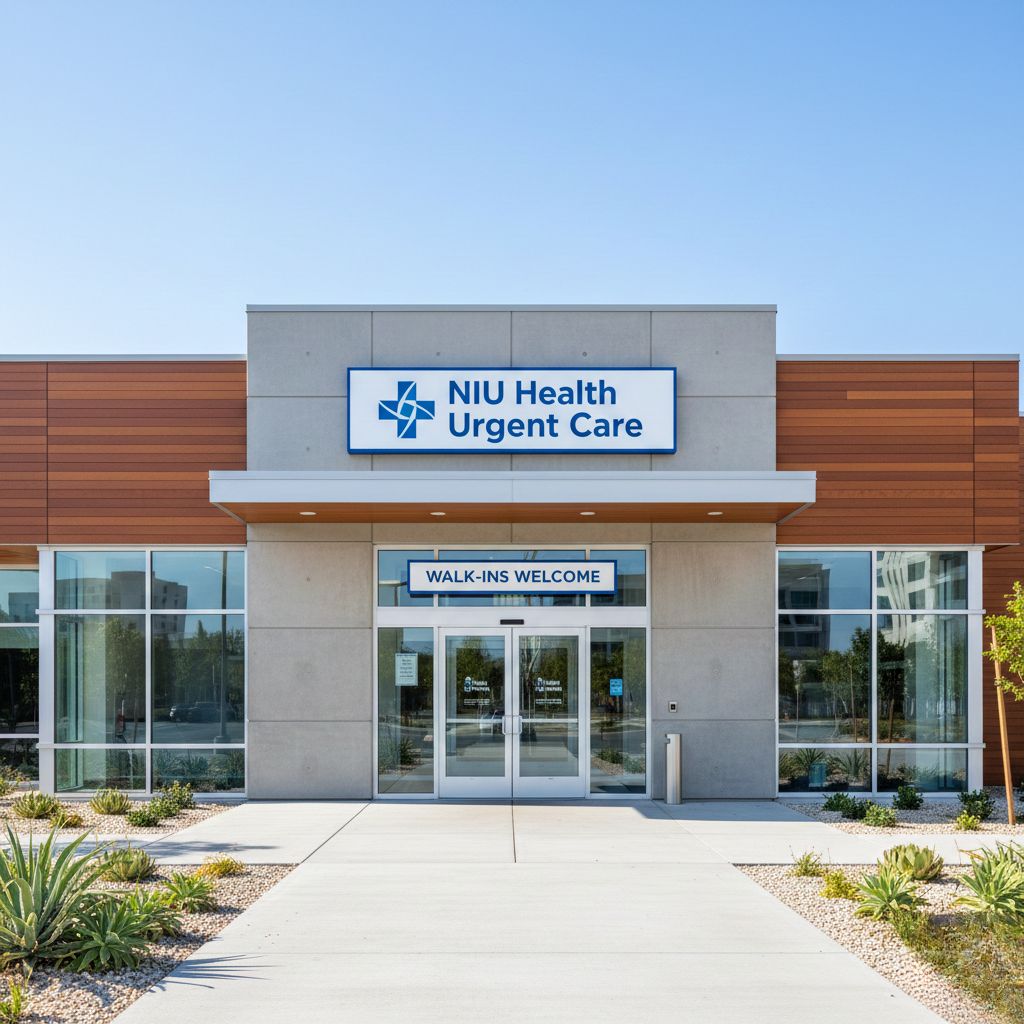
What to Say When You First Walk Into Urgent Care
The front desk staff needs basic information to start your visit. They want to help you quickly. A clear, simple greeting works best. Patients who communicate well often receive faster care.
Most urgent care visits in the United States last between 15 to 60 minutes. Your check-in conversation sets the tone for this entire experience. Staff members appreciate patients who stay calm and organized.
How to Introduce Yourself for a Walk-In Visit
Simply say your name and that you need to be seen today. You might say, “Hi, my name is Sarah. I’m here for a walk-in visit.” The staff will guide you from there. They handle walk-ins every day.
What to Say If You Already Have an Appointment
Tell the front desk your name and appointment time right away. Say something like, “I have a 2 PM appointment under John Smith.” This helps staff find your records quickly. They can check you in faster.
How to Clearly State Your Main Reason for Visiting
Lead with your primary symptom or concern in one sentence. For example, say “I have a bad cough that started three days ago.” Avoid long explanations at check-in. Save detailed information for the medical provider.
When to Mention Urgent or Sudden Symptoms Immediately
Tell staff right away if you have chest pain, difficulty breathing, or severe bleeding. These symptoms need immediate attention. Staff members are trained to recognize emergencies. They will prioritize your care accordingly.
Information Urgent Care Staff Will Ask For
Staff collect specific details to provide safe, accurate care. Having this information ready speeds up your visit. Most clinics use electronic health records to store patient data securely.
Identification, Insurance, or Payment Details
Bring a valid ID and insurance card to every visit. Staff will copy these documents for your file. Self-pay patients should mention this at check-in. Honolulu Urgent Care Clinic offers transparent pricing for all patients.
Your Medical History and Current Medications
List all medications you take, including dosages. Staff need this information to avoid harmful drug interactions. Write down your medications before arriving. This prevents forgetting important details.
Allergies, Chronic Conditions, and Recent Illnesses
Mention any drug allergies immediately during check-in. Also share conditions like diabetes, asthma, or heart disease. Recent illnesses within the past month matter too. This information helps providers make safe treatment decisions.
Travel or Outdoor Exposure Relevant in Honolulu
Tell staff about recent travel or outdoor activities in Hawaii. Hiking, ocean swimming, and travel to other islands can cause specific health issues. Leptospirosis and marine injuries are common in Hawaii. This context helps providers diagnose correctly.
How to Describe Your Symptoms Clearly and Concisely
Good symptom descriptions lead to accurate diagnoses. Providers rely on your words to understand your condition. Clear communication saves time and improves outcomes.
When the Symptoms Started and How They Have Changed
Tell the provider exactly when symptoms began. Say “This started Tuesday morning” rather than “a few days ago.” Describe whether symptoms improved, worsened, or stayed the same. Timeline details matter for diagnosis.
Location, Type, and Severity of Pain
Point to where it hurts and describe the sensation. Use words like sharp, dull, aching, or throbbing. Be specific about the exact location. General descriptions make diagnosis harder.
What Makes Symptoms Better or Worse
Share what activities or treatments affect your symptoms. Mention if rest, movement, or medication changes anything. This information reveals important patterns. Providers use these clues for diagnosis.
Any New, Unusual, or Concerning Changes
Report any symptoms that feel different from normal. New symptoms deserve special attention. Unusual changes might indicate serious conditions. Trust your instincts about your body.
How to Communicate Symptoms If English Isn’t Your First Language
Ask for translation services if you need them. Many Honolulu clinics offer multilingual support. Bring a family member who speaks English if helpful. Clear communication ensures safe care.
How to Explain Pain or Discomfort Effectively
Describing pain accurately helps providers choose the right treatment. Pain is subjective, so your words matter greatly. Use specific terms whenever possible.
Rating Pain on a 1–10 Scale
Rate your pain honestly using the standard scale. One means minimal discomfort. Ten means the worst pain imaginable. Most patients fall somewhere in between. Be truthful about your experience.
Describing Sharp, Dull, Burning, or Throbbing Pain
Choose the word that best matches your sensation. Sharp pain feels like a knife or needle. Dull pain feels like pressure or aching. Burning pain feels hot. Throbbing pain pulses with your heartbeat.
Noting Whether Pain Moves, Spreads, or Comes and Goes
Tell providers if pain travels to other body areas. Radiating pain can indicate specific conditions. Intermittent pain that comes and goes matters too. Constant versus occasional pain suggests different causes.
What to Mention About Medications and Medical History
Complete medication information prevents dangerous interactions. Providers need the full picture to prescribe safely. Include everything you take regularly.
Daily Prescriptions and Over-the-Counter Medications
List all prescription drugs with their dosages. Include over-the-counter medications like ibuprofen or antihistamines. Mention how often you take each one. Even occasional medications matter.
Supplements or Herbal Remedies Common in Hawaii
Share any supplements or traditional Hawaiian remedies you use. Noni, turmeric, and other natural products can affect treatment. Many Hawaii residents use herbal remedies regularly. Providers need this information for safe care.
Recent Surgeries, Treatments, or Ongoing Care
Mention any procedures within the past year. Include ongoing treatments like physical therapy or chemotherapy. Recent surgeries affect current health decisions. This context helps providers understand your situation.
What to Say If You’re Unsure How Serious Your Issue Is
Honest uncertainty is perfectly acceptable at urgent care. Staff appreciate patients who express genuine concern. You don’t need to diagnose yourself.
How to Communicate Concern Without Downplaying Symptoms
Say exactly how you feel without minimizing your experience. Avoid phrases like “it’s probably nothing.” Instead say, “I’m concerned because this feels different.” Your worry is valid information.
Describing Worsening or Rapidly Changing Symptoms
Tell providers if symptoms changed quickly or got worse. Rapid changes can indicate serious conditions. Mention the timeline of any deterioration. This urgency helps prioritize your care.
Asking Whether Urgent Care Is Appropriate or If ER Is Better
Ask staff directly if your condition needs emergency care. Say, “Should I go to the ER instead?” Urgent care staff will redirect you if necessary. They want you to receive appropriate care.
Payment and Insurance Questions You Can Ask at Check-In
Understanding costs before treatment reduces financial stress. Honolulu Urgent Care Clinic believes in transparent pricing. Patients deserve clear cost information upfront.
What to Say If You’re Unsure About Coverage
Ask staff to verify your insurance coverage before treatment. Say, “Can you check what my plan covers?” Most clinics verify benefits during check-in. This prevents surprise bills later.
How to Ask About Expected Costs Before Being Seen
Request a cost estimate before your visit begins. Ask, “What will this visit likely cost?” Staff can provide general pricing information. Specific costs depend on treatment needed.
What to Say If You Don’t Have Insurance
Tell staff immediately that you’re paying out of pocket. Say, “I don’t have insurance. What are my options?” Many clinics offer self-pay discounts. Honolulu Urgent Care Clinic provides clear pricing for uninsured patients.
Conclusion
Knowing what to say at urgent care makes your visit smoother and faster. Clear communication about symptoms, medications, and concerns helps providers deliver better care. Preparation reduces stress during an already difficult time.
Honolulu Urgent Care Clinic serves residents and visitors with transparent pricing and compassionate care. We understand the unique health needs of our island community. Our experienced team makes urgent care visits as comfortable as possible.
Visit Honolulu Urgent Care Clinic for your non-emergency medical needs today. We provide the clear guidance and quality treatment you deserve.
Frequently Asked Questions
What should I say first when I walk into urgent care?
Say your name and that you need to be seen. Mention your main symptom briefly. Staff will guide you through the rest.
Do I need to bring anything to urgent care?
Bring your ID, insurance card, and medication list. These items speed up check-in. Self-pay patients should mention this upfront.
How do I describe my symptoms to the doctor?
State when symptoms started and where they occur. Rate pain on a 1-10 scale. Mention what makes symptoms better or worse.
Can I ask about costs before being treated?
Yes, ask for a cost estimate at check-in. Staff can explain general pricing. Honolulu Urgent Care Clinic offers transparent pricing information.
What if I’m not sure my problem is serious enough for urgent care?
Tell staff about your concern honestly. They will help determine appropriate care. Urgent care handles many non-emergency conditions.
Should I mention supplements and herbal remedies?
Yes, share all supplements you take regularly. Natural products can affect treatment decisions. This information keeps you safe.
What if I don’t speak English well?
Ask for translation services at check-in. Bring a family member who can help translate. Clear communication ensures proper care.