Conditions considered urgent but not an emergency include minor cuts, sprains, cold and flu symptoms, ear infections, urinary tract infections, mild allergic reactions, and respiratory issues. These health concerns need same-day attention. However, they do not require a hospital emergency room visit.
Many Honolulu residents face this exact dilemma every week. They feel sick or hurt but cannot tell if urgent care is the right choice. Honolulu Urgent Care Clinic helps patients understand their options clearly.
This guide explains when urgent care makes sense for you. You will learn about costs, services, and how to choose the right care level.
Understanding the Role of Urgent Care Centers in Honolulu, HI
What Is Urgent Care and How It Differs from a Doctor’s Office
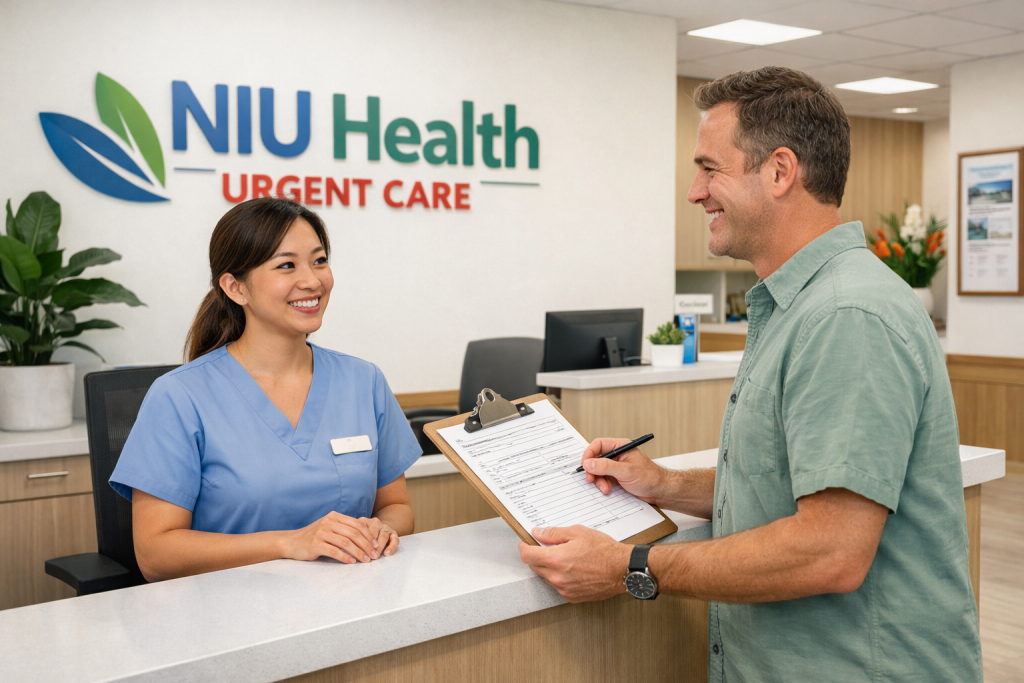
Urgent care centers treat non-life-threatening conditions without appointments. These clinics stay open evenings and weekends when most doctor offices close. Patients can walk in and receive care the same day.
A primary care doctor focuses on ongoing health relationships. They manage your medical history over many years. Urgent care fills gaps when your regular doctor is unavailable.
How Urgent Care Bridges the Gap Between Primary and Emergency Services
Urgent care sits between your family doctor and the emergency room. This middle option saves patients time and money. According to the Urgent Care Association, urgent care visits cost significantly less than ER visits for similar conditions.
Honolulu families benefit from this healthcare bridge. They get fast treatment without overwhelming hospital resources. Emergency rooms can then focus on true medical emergencies.
When to Go to Urgent Care Instead of a Doctor
Minor Cuts, Sprains, and Injuries
Minor cuts needing stitches belong at urgent care. Ankle sprains and minor fractures also fit this category. These injuries need prompt attention but not emergency intervention.
Sports injuries happen frequently across Oʻahu. Weekend warriors often twist ankles or strain muscles. Urgent care provides quick evaluation and treatment plans.
Common Illnesses Like Colds, Flu, and Sore Throats
Cold and flu symptoms respond well to urgent care treatment. Sore throats may indicate strep infection requiring antibiotics. Patients get tested and treated in one convenient visit.
Flu season hits Hawaii every year. The CDC recommends early treatment for best results. Urgent care clinics can prescribe antiviral medications quickly.
Infections Such as Ear, Urinary Tract, or Skin Infections
Ear infections cause significant pain and need prompt treatment. Urinary tract infections worsen without antibiotics. Skin infections like cellulitis require medical evaluation.
These infections spread or intensify without proper care. Urgent care providers diagnose and treat them efficiently. Patients leave with prescriptions and clear instructions.
Mild Allergic Reactions and Respiratory Issues
Mild allergic reactions with hives or itching suit urgent care. Respiratory issues like bronchitis or mild asthma flares also qualify. Severe reactions with breathing difficulty need emergency care instead.
Hawaii’s tropical environment triggers various allergies. Visitors and residents alike experience unexpected reactions. Urgent care offers relief without emergency room waits.
Diagnostic and Treatment Capabilities of Honolulu Urgent Care Clinics
On-Site Labs and Rapid Diagnostic Testing
Modern urgent care clinics offer on-site laboratory testing. Rapid strep tests, flu tests, and COVID tests provide quick answers. Blood work and urinalysis happen during your visit.
These diagnostic tools speed up treatment decisions. Patients know their results before leaving the clinic. This efficiency saves time and reduces uncertainty.
X-Ray and Imaging for Non-Emergency Injuries
X-ray machines at urgent care detect fractures and dislocations. Imaging helps providers assess injury severity accurately. Patients avoid separate radiology appointments.
Suspected broken bones get evaluated immediately. Providers can splint injuries and arrange orthopedic follow-up. This streamlined process benefits busy Honolulu families.
Prescriptions, Antibiotics, and Specialist Referrals
Urgent care providers prescribe necessary medications on-site. Antibiotics, pain relievers, and other drugs get ordered immediately. Patients pick up prescriptions at nearby pharmacies.
Complex cases receive specialist referrals when needed. Providers coordinate with orthopedists, dermatologists, and other specialists. This continuity ensures proper ongoing care.
When to See Your Primary Care Doctor Instead
Routine Check-Ups and Preventive Screenings
Annual physicals belong with your primary care doctor. Preventive screenings like mammograms need scheduled appointments. These visits build your long-term health record.
Managing Chronic or Long-Term Health Conditions
Diabetes, hypertension, and heart disease require ongoing management. Your primary doctor knows your complete medical history. They adjust medications and monitor progress over time.
Addressing Non-Urgent or Follow-Up Concerns
Minor concerns that can wait a few days suit doctor appointments. Follow-up visits after hospitalizations need your regular provider. These appointments maintain healthcare continuity.
Cost and Accessibility of Urgent Care in Honolulu, HI
Average Cost of an Urgent Care Visit in Honolulu
Urgent care visits in Honolulu typically cost between $100 and $200 for basic services. Additional tests or procedures increase the total. This pricing remains far below emergency room costs.
Comparing Doctor Visit Costs vs. Urgent Care Fees
Primary care visits often cost less than urgent care. However, appointment availability creates delays. Urgent care provides immediate access at reasonable prices.
Insurance Coverage and Copay Details for Honolulu Patients
Most insurance plans cover urgent care visits. Copays typically range from $25 to $75. Self-pay patients receive transparent pricing upfront at Honolulu Urgent Care Clinic.
Finding Local Urgent Care Centers in Honolulu, HI
Walk-In and After-Hours Urgent Care Options Across Oʻahu
Multiple urgent care locations serve Oʻahu residents. Evening and weekend hours accommodate working families. Walk-in availability eliminates appointment scheduling stress.
Typical Wait Times and Service Hours in Honolulu Clinics
Average wait times range from 15 to 45 minutes. Most clinics open early and close late. Holiday hours vary by location.
How to Locate Licensed and Accredited Urgent Care Near You
Check for state licensing and accreditation credentials. Online reviews provide patient experience insights. Honolulu Urgent Care Clinic maintains full accreditation and transparent practices.
Choosing Between Urgent Care, a Doctor, or the ER
Key Factors to Consider Before Visiting Urgent Care
Consider symptom severity and timing carefully. Urgent care handles most non-emergency situations effectively. Cost and convenience often favor urgent care visits.
When to Contact Your Primary Doctor First
Call your doctor for ongoing health concerns. They may offer same-day appointments or phone consultations. This approach maintains your healthcare relationship.
How to Know If You Should Go to the Emergency Room Instead
Chest pain, severe bleeding, and stroke symptoms require emergency care. Difficulty breathing and loss of consciousness need immediate attention. When in doubt, call 911.
What to Do After an Urgent Care Visit
Scheduling a Follow-Up Appointment with Your Doctor
Contact your primary care provider within a few days. Share your urgent care visit summary with them. This communication ensures coordinated care.
Managing Prescriptions and Continuing Treatment
Fill prescriptions promptly and follow dosing instructions. Complete antibiotic courses entirely. Contact providers if symptoms worsen.
Updating Your Medical Records for Ongoing Care
Request visit records from urgent care. Share these with your primary doctor. Complete records improve future healthcare decisions.
Conclusion
Understanding urgent versus emergency care helps Honolulu families make smart healthcare choices. Urgent care treats many conditions quickly and affordably. This knowledge saves time, money, and stress.
Honolulu Urgent Care Clinic provides trusted care for non-emergency medical needs. We offer transparent pricing and experienced medical professionals. Our team helps patients feel confident about their healthcare decisions.
Visit Honolulu Urgent Care Clinic for your urgent medical needs today. We welcome walk-ins and provide clear cost information upfront.
Frequently Asked Questions
What conditions does urgent care treat?
Urgent care treats minor injuries, infections, cold and flu symptoms, and mild allergic reactions. These conditions need same-day care but not emergency intervention.
How much does urgent care cost without insurance in Honolulu?
Self-pay visits typically cost $100 to $200 for basic services. Additional tests increase the total cost.
Can urgent care prescribe antibiotics?
Yes, urgent care providers prescribe antibiotics for bacterial infections. They diagnose conditions and provide appropriate medications.
What is the difference between urgent care and the ER?
Urgent care handles non-life-threatening conditions at lower costs. Emergency rooms treat severe injuries and life-threatening emergencies.
Do I need an appointment for urgent care? No appointment is necessary. Urgent care clinics accept walk-in patients during operating hours.
Will my insurance cover an urgent care visit?
Most insurance plans cover urgent care visits. Copays vary by plan and provider.
When should I go to the ER instead of urgent care?
Go to the ER for chest pain, severe bleeding, stroke symptoms, or difficulty breathing. These conditions require immediate emergency care.