Most urgent care visits take between 30 and 60 minutes total, with wait times to see a provider averaging 15 to 45 minutes. Patients in Honolulu often wonder how long they will wait. Tourism seasons and limited clinic options can extend these times.
Honolulu Urgent Care Clinic understands your time matters. Our team focuses on efficient care without sacrificing quality. We help residents and visitors get treated quickly.
This guide explains typical wait times and what affects them. You will learn how to reduce your wait. We cover everything from check-in to checkout.
Typical Wait Times at Urgent Care Centers
Urgent care centers offer faster service than emergency rooms. The average ER wait exceeds 145 minutes nationally. Urgent care provides a quicker alternative for non-life-threatening conditions.
Patients choose urgent care for convenience and speed. Most clinics aim to see patients within 30 minutes of arrival. This makes urgent care ideal for busy families and travelers.
Average Time to See a Provider
Patients typically wait 15 to 45 minutes to see a provider. This varies based on how busy the clinic is. Clinics with online check-in often have shorter waits.
Some urgent care centers display real-time wait estimates online. This helps patients plan their visit better. Checking these estimates can save valuable time.
Average Total Visit Duration (Check-In to Checkout)
The entire urgent care visit usually takes 30 to 60 minutes. Simple conditions like minor cuts take less time. Complex cases requiring tests may take longer.
Visits needing X-rays or lab work add 15 to 30 minutes. Insurance verification can also extend your visit. Bringing proper documents helps speed up the process.
How Long Each Step Usually Takes (Check-In, Evaluation, Tests)
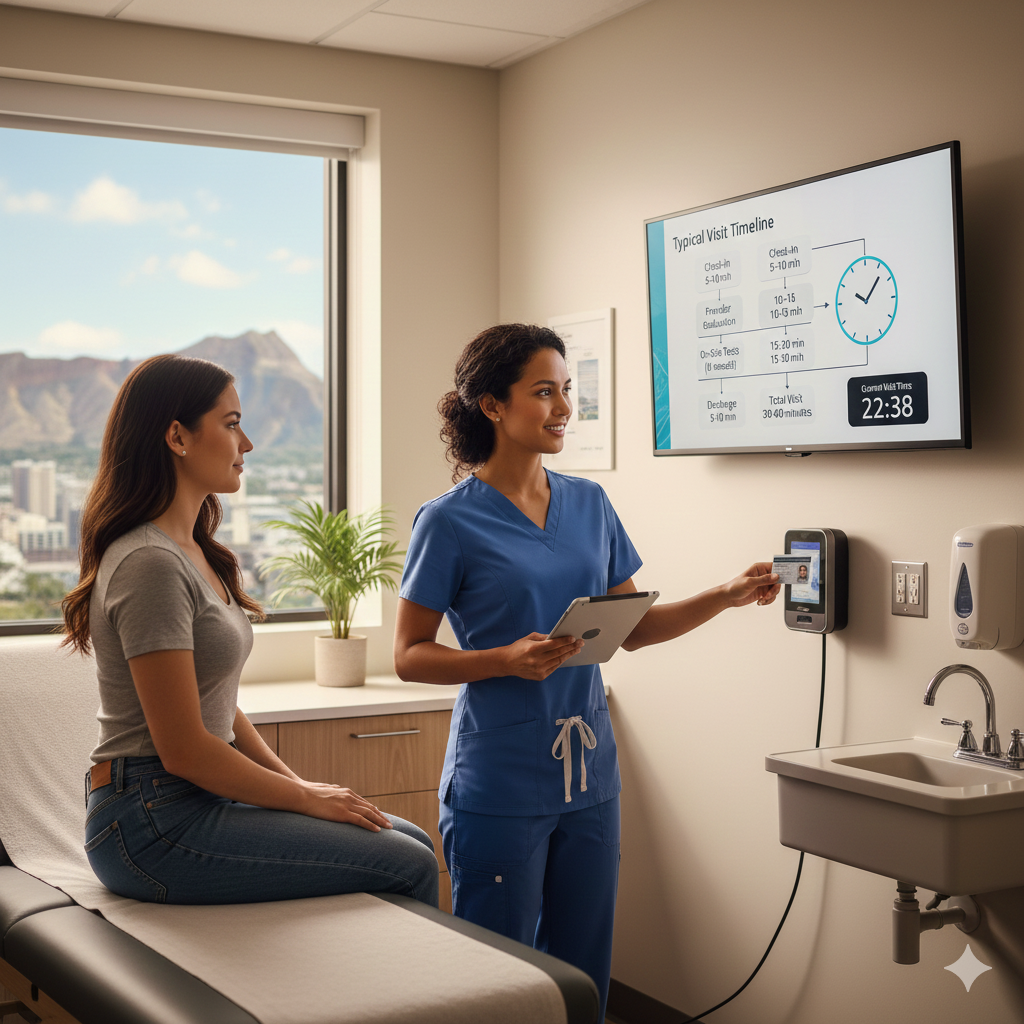
Check-in takes about 5 to 10 minutes with proper paperwork. The provider evaluation lasts 10 to 15 minutes typically. Diagnostic tests add another 15 to 30 minutes when needed.
Discharge and prescription processing take 5 to 10 minutes. Each step flows faster when patients arrive prepared. Having your ID and insurance ready helps significantly.
What Affects Urgent Care Wait Times
Several factors influence how long you will wait. Understanding these helps you plan your visit better. Some factors are within your control.
Patient Volume and Sudden Surges
High patient volume creates longer wait times at any clinic. Sudden surges happen during flu outbreaks or accidents. Clinics cannot always predict these busy periods.
Mornings often start slower than afternoons. Patient volume typically peaks between 10 AM and 2 PM. Planning around these times reduces your wait.
Staffing Levels and On-Site Resources (X-Ray, Lab)
Clinics with more staff and on-site resources operate faster. Having X-ray and lab services in-house eliminates referral delays. Patients get complete care in one location.
Some clinics have limited staffing during certain hours. This affects how quickly providers can see patients. Choosing well-equipped clinics improves your experience.
Time of Day and Day of the Week
Weekday mornings typically have the shortest wait times. Evenings and weekends see higher patient volumes. Monday mornings are often busier after weekend illnesses accumulate.
Mid-week visits usually offer the best availability. Tuesday through Thursday mornings work well for most patients. Avoiding peak times saves significant waiting.
Complexity of Cases Being Treated
Complex medical cases require more provider time and resources. A patient needing multiple tests delays others behind them. This is unavoidable but affects overall clinic flow.
Simple conditions like sore throats move through quickly. Injuries requiring imaging take longer to evaluate. The mix of cases affects everyone’s wait time.
Insurance Verification, Especially for Out-of-State Visitors
Out-of-state insurance verification can add 10 to 15 minutes. Mainland insurance plans require additional processing steps. Travelers should bring physical insurance cards and photo ID.
TRICARE and military insurance have specific verification requirements. These take extra time to process correctly. Calling ahead about coverage speeds up check-in.
Honolulu, HI Factors That Influence Wait Times
Honolulu has unique factors affecting urgent care waits. Island geography and tourism create special challenges. Understanding these helps patients plan better.
Tourism Seasons and Increased Patient Traffic
Peak tourism seasons significantly increase urgent care demand. Winter months bring mainland visitors escaping cold weather. Summer vacation periods also create higher patient volumes.
Tourists often need care for travel-related illnesses. Sunburns, dehydration, and injuries are common. Local residents may experience longer waits during these periods.
Military and TRICARE Processing Considerations
Military families using TRICARE may face additional processing time. Honolulu’s large military population uses urgent care frequently. TRICARE verification requires specific documentation and procedures.
Active duty members should bring military ID and TRICARE cards. Dependents need additional documentation for coverage verification. Preparing these documents beforehand reduces delays.
Viral Surges Common in Island Communities
Island communities experience concentrated viral outbreaks quickly. Limited geographic area means illnesses spread faster. Schools and tourist areas become transmission points.
Respiratory illnesses surge during certain seasons. These outbreaks increase urgent care demand rapidly. Clinics may extend hours during major outbreaks.
Limited Clinic Availability Compared to Larger Cities
Honolulu has fewer urgent care options than mainland cities. This concentrates patients at available clinics. Limited competition can mean longer average wait times.
Choosing clinics with online check-in helps manage this limitation. Honolulu Urgent Care Clinic offers efficient service despite high demand. Our systems minimize wait times for every patient.
When You Can Expect Longer Wait Times
Certain periods consistently produce longer waits. Planning around these times improves your experience. Knowing when to expect delays helps manage expectations.
Cold, Flu, and Travel Season
Winter months bring the longest urgent care wait times. Cold and flu season peaks from December through February. Holiday travel increases exposure to illnesses.
Respiratory infections fill urgent care clinics during these months. Patients should expect 30 to 60 minute waits. Using online check-in becomes especially important.
Evenings, Weekends, and Holidays
Weekend and evening hours see the highest patient volumes. Primary care offices close during these times. Patients with daytime illnesses wait until after work.
Holiday weekends create particularly long waits. Clinics operate with reduced staffing while demand increases. Planning non-emergency visits for weekday mornings helps.
Clinics With Limited Services or Reduced Staffing
Clinics without on-site labs or X-rays take longer. Patients needing tests must wait for external results. This extends total visit time significantly.
Reduced staffing during off-hours slows patient flow. Fewer providers mean longer waits for everyone. Choosing full-service clinics improves efficiency.
How an Urgent Care Visit Typically Works
Understanding the process helps patients prepare properly. Each step serves an important purpose. Knowing what to expect reduces anxiety.
Check-In and Symptom Intake
Check-in involves providing identification and insurance information. Staff collect your symptoms and medical history. This information helps providers prepare for your visit.
Online pre-registration completes much of this beforehand. Patients who pre-register move through check-in faster. This step typically takes 5 to 10 minutes.
Provider Evaluation and Treatment Plan
A medical provider examines you and discusses your symptoms. They perform a physical examination as needed. The provider then creates a treatment plan.
This evaluation typically takes 10 to 15 minutes. Complex conditions may require more time. Providers explain their findings and recommendations clearly.
On-Site Tests, Imaging, or Lab Work
Some conditions require diagnostic tests for proper diagnosis. X-rays help identify fractures and lung conditions. Lab tests detect infections and other issues.
On-site testing provides results within 15 to 30 minutes. This allows same-visit diagnosis and treatment. Clinics without these services require external referrals.
Discharge, Follow-Up Instructions, and Prescriptions
Discharge includes written instructions and any prescriptions. Staff explain medication dosages and follow-up needs. Prescriptions are sent electronically to your pharmacy.
This final step takes 5 to 10 minutes. Patients receive documentation of their visit. Follow-up appointments are scheduled when necessary.
How to Reduce Your Wait Time at Urgent Care
Patients can take steps to minimize their wait. Preparation makes a significant difference. These strategies work at most urgent care clinics.
Using Online Check-In or Pre-Registration Tools
Online check-in can reduce your wait by 15 to 20 minutes. Patients complete paperwork before arriving at the clinic. This moves you ahead in the queue.
Many clinics offer mobile-friendly registration systems. Honolulu Urgent Care Clinic provides convenient online check-in. Using these tools saves valuable time.
Visiting During Off-Peak Hours
Weekday mornings between 8 AM and 10 AM have shortest waits. Avoiding lunch hours and after-work rushes helps. Mid-week visits typically offer better availability.
Checking real-time wait estimates guides your timing. Some clinics post current wait times online. This information helps you choose the best time.
Bringing Required ID, Insurance, and Medical Information
Having documents ready speeds up check-in significantly. Bring photo ID, insurance cards, and medication lists. Out-of-state visitors need physical insurance cards.
Knowing your medical history helps providers treat you faster. List current medications and known allergies. This preparation improves your entire visit experience.
Checking Clinic Reviews for Efficiency and Wait Times
Patient reviews often mention wait time experiences. Google and Yelp reviews provide real patient feedback. This helps identify efficient clinics in your area.
Look for comments about staff efficiency and organization. Clinics with consistent positive reviews typically perform better. Honolulu Urgent Care Clinic maintains excellent patient satisfaction ratings.
Conclusion
Urgent care wait times typically range from 15 to 45 minutes. Total visits usually take 30 to 60 minutes from check-in to checkout. Understanding what affects these times helps you plan better.
Honolulu Urgent Care Clinic prioritizes efficient, high-quality care for every patient. We serve residents and visitors with transparent pricing and minimal wait times. Our experienced team and modern facilities ensure you receive prompt treatment.
Visit Honolulu Urgent Care Clinic for fast, reliable urgent care services. Use our online check-in to reduce your wait time today. We are here to help you feel better quickly.
Frequently Asked Questions
How long is the average wait at urgent care?
The average wait to see a provider is 15 to 45 minutes. Total visit time runs 30 to 60 minutes. Using online check-in reduces your wait.
Is urgent care faster than the emergency room?
Urgent care is significantly faster for non-emergency conditions. ER waits average over two hours nationally. Urgent care typically sees patients within 30 minutes.
What is the best time to visit urgent care?
Weekday mornings between 8 AM and 10 AM have shortest waits. Avoid evenings, weekends, and lunch hours. Mid-week visits offer the best availability.
Does online check-in really reduce wait times?
Online check-in can save 15 to 20 minutes at most clinics. Patients complete paperwork before arriving. This moves you ahead in the queue.
Why do urgent care wait times vary so much?
Wait times depend on patient volume and case complexity. Staffing levels and available resources also matter. Flu season and holidays create longer waits.
What should I bring to urgent care to speed up my visit?
Bring photo ID, insurance cards, and a medication list. Know your medical history and allergies. Having documents ready speeds up check-in significantly.
How long do urgent care visits take in Honolulu?
Honolulu urgent care visits typically take 30 to 60 minutes. Tourism seasons may extend wait times slightly. Using online check-in helps reduce your total time.