Introduction
Urgent care and walk-in clinics are not the same. Both treat non-emergency medical issues without appointments. Yet they handle different types of health problems. Understanding these differences helps you choose the right care in Honolulu.
Many people confuse these two options. You might need urgent care for a broken bone. You might need a walk-in clinic for a cold. Knowing which one fits your situation saves time and money.
This guide explains exactly what makes each one different. You’ll learn when to visit urgent care. You’ll discover when a walk-in clinic works better. By the end, you’ll know exactly where to go for your health needs.
What Is the Difference Between Urgent Care and Walk-In Clinics?
Key Differences in Care Level and Medical Services
Urgent care handles more serious, non-life-threatening problems. Walk-in clinics handle simple, minor health issues. Urgent care treats broken bones, sprains, deep cuts, burns, or asthma. Walk-in clinics treat colds, flu, sore throats, earaches, and rashes.
Urgent care has advanced equipment like X-rays. Walk-in clinics usually have basic tools for simple care. Urgent care often has doctors and advanced medical staff. Walk-in clinics are mainly staffed by nurse practitioners or PAs.
Conditions Commonly Treated at Each Facility
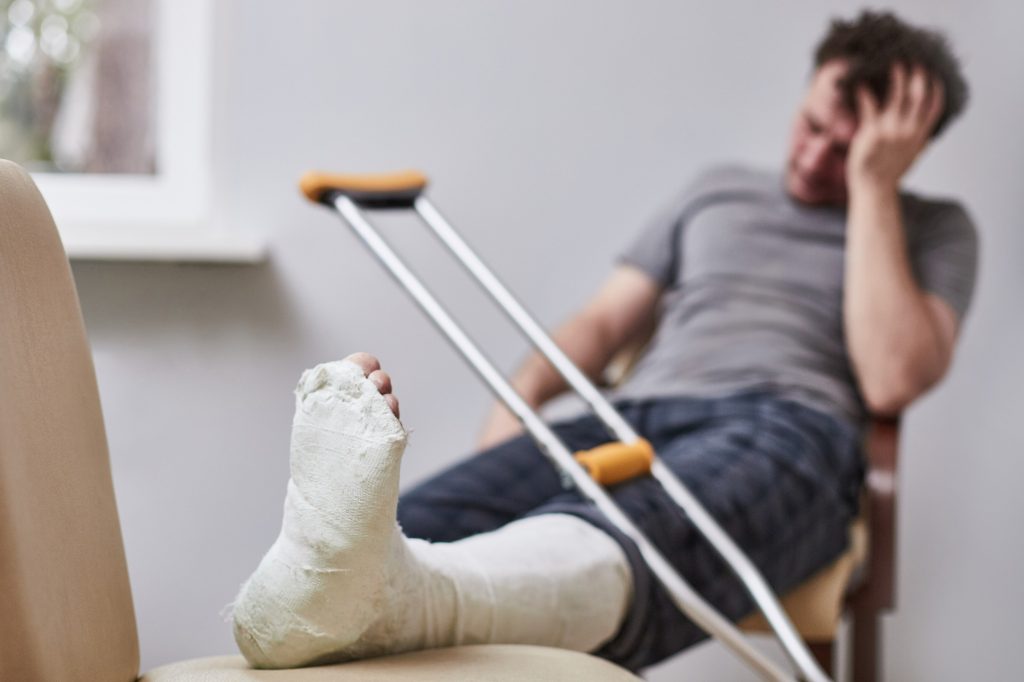
Urgent care treats non-life-threatening conditions like fractures, sprains, or deep cuts. These facilities handle moderate injuries and illnesses. They can stitch wounds and cast broken bones.
Walk-in clinics focus on basic health services. They handle common illnesses and minor injuries. They offer vaccinations and health screenings. They treat minor infections and simple rashes.
Availability and Appointment Requirements
Urgent care centers usually open longer hours and weekends. Most stay open 8 a.m. to 8 p.m. daily. Some offer extended evening hours. Walk-in clinics are often inside pharmacies with shorter hours. They typically close by 6 p.m. or 7 p.m.
Both offer convenient same-day care for different levels of medical needs. Neither requires an appointment. You simply walk in and wait your turn.
Regulatory and Definition Differences in Hawaiʻi
How the Hawaiʻi Department of Health Defines Walk-In Clinics
Hawaiʻi law separates walk-in clinics from urgent care centers. Walk-in clinics provide basic health services. They operate with fewer staff requirements. They handle routine checkups and minor treatments.
National Standards for Urgent Care Center Classification
Urgent care centers meet stricter national standards. They must have specific equipment and trained staff. They handle more complex medical situations. State regulation mandates hospital licensing before admitting patients, separating hospitals from urgent care facilities.
Licensing and Oversight of Facilities in Hawaiʻi
Both types need proper licensing. Hawaiʻi DOH oversees all medical facilities. Urgent care centers face more regulations. Walk-in clinics follow basic health guidelines. Hawaiʻi law requires telehealth coverage by Medicaid and private insurers, expanding “virtual walk-in” care options.
When Should You Go to Urgent Care in Honolulu?
Situations Best Suited for Urgent Care Visits
Choose urgent care for serious but not emergency-level health issues. Visit urgent care for broken bones or bad sprains. Go for deep cuts that need stitches. Visit for burns or severe asthma attacks.
Examples of Urgent Care Treatments in Honolulu
Urgent care treatment for mild to moderate conditions includes fracture casting and wound suturing. Staff can perform X-rays and basic lab tests. They handle infections and respiratory problems. Queen’s Health Systems operates Honolulu urgent care centers open daily 8 a.m.–8 p.m., accepting Medicaid and most insurance plans.
Staff Credentials and On-Site Diagnostic Capabilities
Urgent care staff includes doctors and nurse practitioners. They have advanced training and certifications. On-site diagnostic testing availability urgent care includes X-ray machines and blood tests. This helps doctors diagnose problems quickly.
When Is a Walk-In Clinic the Right Choice?
Best Use Cases for Visiting a Walk-In Clinic
Choose a walk-in clinic for minor conditions or quick health screenings. Visit for colds, flu, or sore throats. Go for earaches or minor rashes. Walk-in clinics work well for routine checkups.
Common Services and Treatments Offered
Walk-in clinics offer basic health services. They provide vaccinations and health screenings. They treat common illnesses and minor injuries. Staff can handle simple infections and basic wound care.
Staff and Equipment Availability at Walk-In Clinics
Walk-in clinics employ nurse practitioners and physician assistants. They have basic medical equipment. They don’t have X-ray machines or advanced tools. This keeps costs lower for patients.
Pros and Cons of Each Option for Honolulu Residents
Benefits of Choosing Urgent Care in Honolulu
Urgent care offers longer hours and extended access. You get advanced diagnostic testing. Doctors provide expert care for serious problems. Urgent care bridging primary care and emergency room helps ease ER overcrowding in Honolulu.
Advantages of Walk-In Clinics for Minor Health Needs
Walk-in clinics are often more affordable for basic treatments. They’re convenient for quick visits. You don’t wait as long for minor issues. They’re located in pharmacies and stores nearby.
Where Each Option May Be Limited in Scope
Urgent care can’t handle life-threatening emergencies. Walk-in clinics can’t treat serious injuries. Neither can perform surgery. Neither handles complex medical conditions.
Costs and Insurance Coverage in Honolulu, HI
Average Urgent Care Visit Costs in Honolulu
Urgent care centers usually charge higher fees than walk-in clinics. Most visits cost $100 to $300. X-rays and tests add extra charges. Most accept Medicaid and insurance plans.
Typical Walk-In Clinic Pricing
Walk-in clinics are often more affordable for basic treatments. Simple visits cost $30 to $75. Tests cost extra. Many accept insurance coverage.
How Local Insurance Plans Handle Coverage for Both Options
The Hawaiʻi Prepaid Health Care Act ensures workers over 20 hours per week receive insurance. Most plans cover both urgent care and walk-in visits. Check your plan details before visiting.
Accessibility and Locations Around Honolulu
Where to Find Urgent Care Centers Across Oʻahu
Queen’s Health Systems and Kaiser Permanente operate urgent care centers. Most are open 8 a.m. to 8 p.m. daily. They’re located throughout Honolulu. Kaiser Permanente Hawaiʻi offers 8 a.m.–8 p.m. urgent care plus 24/7 virtual visits for members statewide.
Walk-In Clinics Located in Retail and Pharmacy Settings
Walk-in clinics are usually found in pharmacies with shorter hours. CVS and Walgreens have clinics. They’re convenient for quick stops. Most close by 6 p.m. or 7 p.m.
When Emergency Care Is the Only Option
Red Flag Symptoms That Require an ER Visit
Emergency room vs urgent care vs walk-in clinic depends on symptom severity. Go to the ER for chest pain. Visit the ER for difficulty breathing. Go for severe bleeding or head injuries. Visit for poisoning or severe allergic reactions.
What Urgent Care and Walk-In Clinics Cannot Treat
Neither can handle life-threatening emergencies. Neither performs major surgery. Neither treats severe trauma. Neither handles critical conditions.
Conclusion
Urgent care and walk-in clinics serve different health needs in Honolulu. Urgent care handles serious but non-emergency problems. Walk-in clinics treat minor illnesses and basic health needs. Choose based on symptom severity—minor equals walk-in, more serious equals urgent care.
Understanding these differences helps you get the right care faster. You save time and money by choosing correctly. Both options keep you out of the emergency room for non-emergency issues.
We are the trusted urgent care clinic in Honolulu. Our team provides expert care for serious health problems. We’re open extended hours for your convenience. Contact Honolulu Urgent Care Clinic today for immediate medical attention.