Introduction
The average urgent care visit takes between 30 to 60 minutes from check-in to discharge. Many patients in Honolulu wonder how long they will wait when illness or injury strikes unexpectedly.
At Honolulu Urgent Care Clinic, we understand your time matters. Our team helps patients get quality care without the long emergency room waits.
This guide explains what affects visit times and how to reduce your wait. You will learn exactly what to expect during your urgent care visit.
How Long the Average Urgent Care Visit Takes
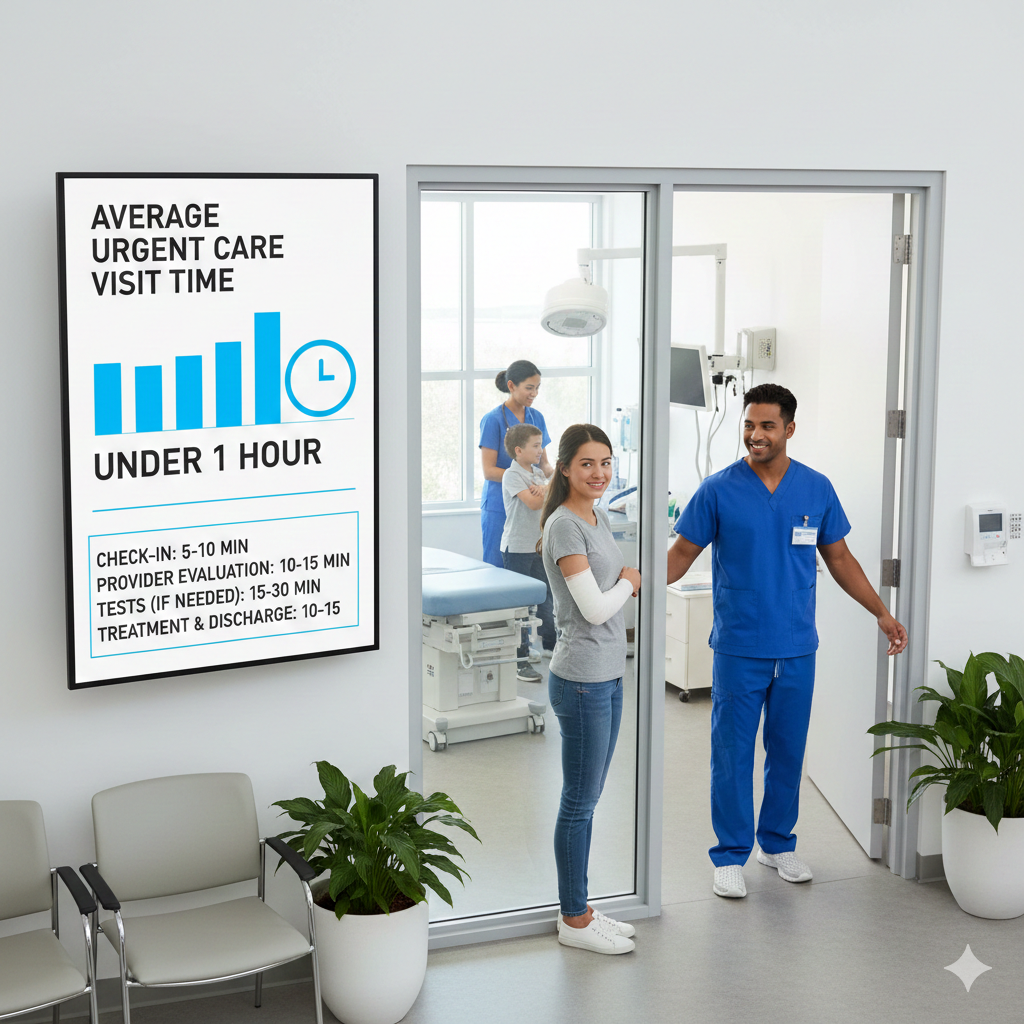
Most urgent care visits last under one hour for straightforward medical concerns. The total time depends on several factors unique to each patient’s situation.
Typical Visit Time for Most Patients
Simple conditions like minor cuts or cold symptoms take about 30 to 45 minutes. According to the Urgent Care Association, the national average wait time is approximately 19 minutes before seeing a provider. The entire visit, including treatment, typically wraps up within one hour.
Patients with uncomplicated issues move through the process quickly. Those needing tests or procedures should expect slightly longer visits.
How Long Each Stage Usually Takes (Check-In, Evaluation, Tests)
Check-in and triage take about 5 to 10 minutes at most clinics. The medical evaluation with your provider runs 10 to 15 minutes. Diagnostic tests add 15 to 30 minutes depending on the type needed.
Treatment and discharge instructions require another 10 to 15 minutes. The entire process flows smoothly when clinics are well-staffed.
Why Visit Times Vary
Patient volume and condition complexity cause the biggest time differences. A busy Saturday afternoon takes longer than a quiet Tuesday morning. Patients needing X-rays or lab work wait for those results.
Some conditions require more thorough examinations. Multiple symptoms or complicated medical histories extend the evaluation time.
What Can Affect How Long Your Urgent Care Visit Takes
Several factors influence your total time at an urgent care clinic. Understanding these helps you plan your visit better.
Clinic Busyness and Time of Day
Mornings right after opening and late afternoons see the highest patient volumes. Midday visits between 10 AM and 2 PM often have shorter waits. Weekends and Mondays tend to be busier than midweek days.
Complexity of Your Illness or Injury
Simple conditions like sore throats resolve faster than complex injuries. A sprained ankle needing X-rays takes longer than treating a rash. Multiple complaints require more provider time and attention.
Whether Tests or X-Rays Are Needed
Diagnostic imaging and lab work add 15 to 45 minutes to your visit. X-rays process quickly, usually within 10 minutes. Blood tests and cultures may take longer for results.
Staffing Levels and Provider Availability
Clinics with multiple providers see patients faster during busy periods. Single-provider shifts mean longer waits when volume increases. Honolulu Urgent Care Clinic maintains adequate staffing for efficient care.
Insurance Verification or Out-of-State Plans
Out-of-state insurance plans may require additional verification time. Mainland visitors should bring their insurance cards and photo ID. Self-pay patients often complete check-in faster.
Seasonal Illness Surges and Tourism Impact in Honolulu
Tourist seasons and flu outbreaks increase patient volumes significantly. Winter months bring more respiratory illnesses to Honolulu clinics. Holiday weekends see higher visitor-related injuries and illnesses.
What Typically Happens During an Urgent Care Visit
Knowing the process helps reduce anxiety about your visit. Each step serves an important purpose in your care.
Check-In and Triage
Front desk staff collect your information and insurance details first. A nurse then assesses your vital signs and chief complaint. This triage process determines how urgently you need care.
Medical Evaluation and Questions About Symptoms
Your provider asks detailed questions about your symptoms and history. They perform a physical examination focused on your concerns. This evaluation guides the diagnosis and treatment plan.
Diagnostic Tests, Imaging, or Lab Work
Some conditions require tests to confirm the diagnosis. X-rays help identify fractures or lung problems. Rapid strep tests and flu swabs provide quick answers.
Treatment, Prescriptions, and Discharge Instructions
Your provider explains the diagnosis and recommended treatment clearly. Prescriptions get sent electronically to your preferred pharmacy. Discharge instructions include warning signs and follow-up recommendations.
When an Urgent Care Visit May Take Longer Than Usual
Certain situations extend your visit beyond the typical timeframe. Planning for these possibilities reduces frustration.
Waiting on Lab or Imaging Results
Some lab tests require 20 to 30 minutes for processing. Providers wait for results before finalizing your treatment plan. This ensures accurate diagnosis and appropriate care.
Conditions Requiring Additional Procedures
Wound repairs, splinting, and IV fluids add significant time. These procedures require careful attention and proper technique. The extra time ensures better outcomes for patients.
High Patient Volume or Reduced Staffing
Unexpected surges in patients create longer wait times. Staff illnesses occasionally reduce available providers. Online check-in helps you avoid waiting in the lobby.
Complicated Cases or Multiple Complaints
Patients with several symptoms need more thorough evaluations. Complex medical histories require careful review. These visits take longer but ensure comprehensive care.
How to Reduce Your Wait Time at Urgent Care in Honolulu
Smart planning helps you get in and out faster. These strategies work well at most urgent care clinics.
Visiting During Off-Peak Hours
Midweek mornings and early afternoons typically have shorter waits. Avoid Monday mornings and weekend afternoons when possible. Call ahead to ask about current wait times.
Using Online Check-In or Pre-Registration Tools
Online check-in saves 10 to 15 minutes at the clinic. Complete paperwork from home before arriving. Honolulu Urgent Care Clinic offers convenient digital registration.
Bringing Required Identification and Insurance Details
Having your ID and insurance card ready speeds check-in significantly. Know your copay amount if possible. Self-pay patients should ask about pricing upfront.
Preparing a Short Summary of Your Symptoms
Write down when symptoms started and what makes them worse. List current medications and known allergies. This preparation helps your provider work efficiently.
Urgent Care vs. ER Visit Times
Understanding the difference helps you choose the right care setting. Time and cost vary dramatically between options.
Typical Urgent Care Visit Duration
Most urgent care visits complete within 30 to 60 minutes total. Wait times average under 20 minutes at well-run clinics. Costs run significantly lower than emergency room visits.
Typical ER Wait and Treatment Times
Emergency room visits average 2 to 4 hours according to CDC data. Patients with non-emergent conditions wait longest. ER costs often exceed urgent care by 5 to 10 times.
When ER Is the Better or Necessary Option
Chest pain, stroke symptoms, and severe injuries require emergency care. Difficulty breathing and major trauma need ER resources. Urgent care handles most other non-life-threatening conditions effectively.
Conclusion
The average urgent care visit takes 30 to 60 minutes for most patients. Understanding what affects wait times helps you plan better and reduce stress.
Honolulu Urgent Care Clinic provides efficient, high-quality care for residents and visitors alike. We combine experienced providers with modern facilities for faster treatment times.
Visit us for your non-emergency medical needs and experience the difference. We are ready to help you feel better quickly and get back to enjoying Honolulu.
Frequently Asked Questions
How long is the wait at urgent care before seeing a doctor?
Most patients wait 15 to 25 minutes before seeing a provider. Wait times vary based on patient volume and time of day. Online check-in reduces your lobby wait time.
Is urgent care faster than the emergency room?
Urgent care visits are significantly faster than ER visits. The average urgent care visit takes under one hour. Emergency rooms often require 2 to 4 hours or longer.
What is the best time to visit urgent care in Honolulu?
Midweek mornings and early afternoons have the shortest waits. Avoid Monday mornings and weekend afternoons. Calling ahead helps you plan your visit timing.
Do X-rays make urgent care visits take longer?
X-rays add about 15 to 20 minutes to your total visit time. The imaging itself takes only a few minutes. Providers need time to review results before treatment.
Can I check in online before arriving at urgent care?
Many urgent care clinics offer online check-in options. This saves time on paperwork when you arrive. Honolulu Urgent Care Clinic provides convenient digital registration.
How long does urgent care take for a simple cold?
Simple cold or flu symptoms typically take 30 to 45 minutes total. The provider evaluates your symptoms and recommends treatment. Prescriptions get sent directly to your pharmacy.
What should I bring to speed up my urgent care visit?
Bring your photo ID, insurance card, and medication list. Write down your symptoms and when they started. Having this information ready speeds up the entire process.