The closest things to antibiotics you can buy without a prescription are topical antibiotic ointments like Bacitracin and Neosporin, antiseptic wound care products, and certain natural compounds with proven antibacterial properties. None of these replace oral prescription antibiotics for serious bacterial infections.
If you’re in Honolulu dealing with a cut that looks infected, a stubborn sore throat, or a urinary tract infection that won’t quit, knowing what you can grab at the pharmacy versus what requires a doctor matters.
This guide breaks down every OTC option with real antibacterial action, explains when home treatment is enough, and shows you exactly how to get a prescription antibiotic quickly and affordably through urgent care.
Why You Can’t Buy Antibiotics Over the Counter in the U.S.
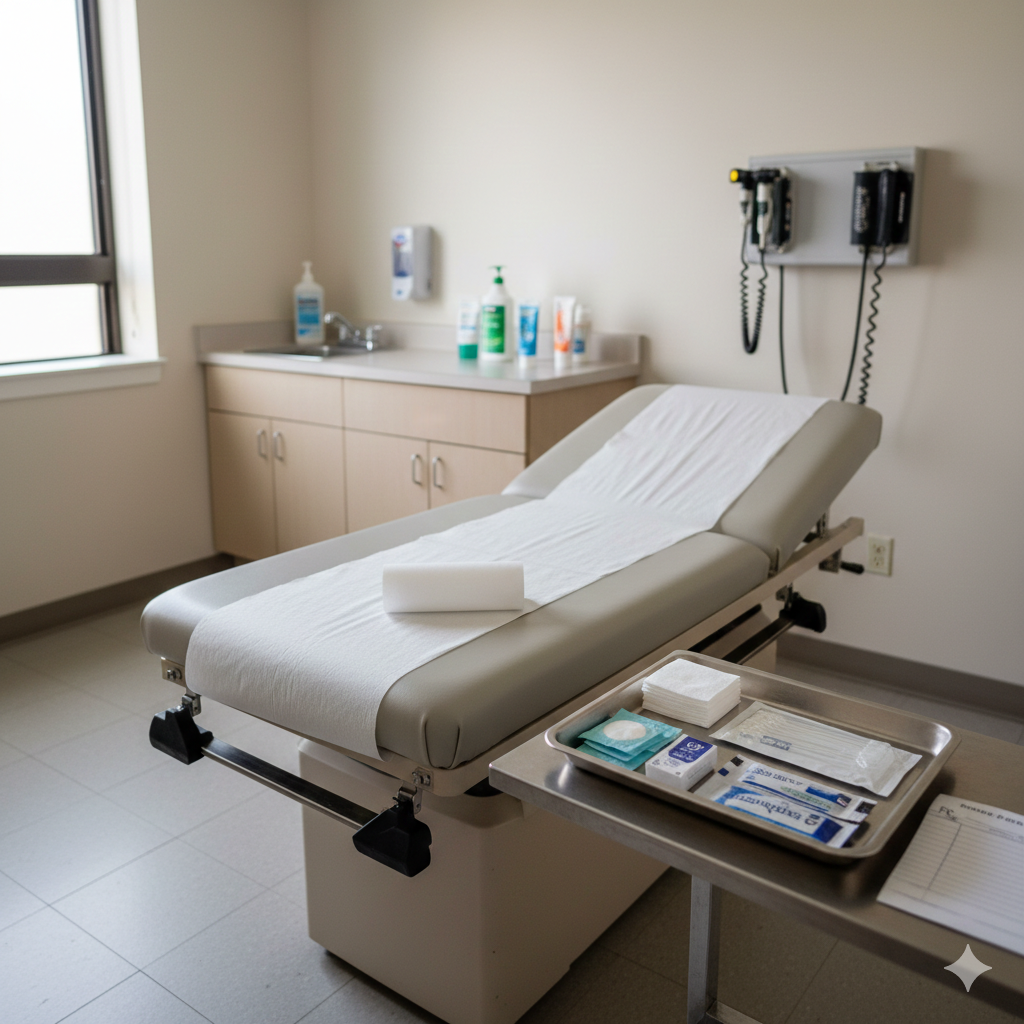
Prescription antibiotics like amoxicillin, azithromycin, and ciprofloxacin are not available over the counter in the United States. The Food and Drug Administration classifies oral and injectable antibiotics as prescription-only medications. This isn’t a bureaucratic formality. It’s a public health safeguard built on decades of evidence showing that unrestricted antibiotic access accelerates drug-resistant bacteria.
Other countries handle this differently. In parts of Mexico, Southeast Asia, and Eastern Europe, you can walk into a pharmacy and buy antibiotics without a prescription. The result has been well documented: higher rates of antibiotic-resistant infections in those regions, according to the World Health Organization’s surveillance data.
Understanding why the restriction exists helps you make smarter decisions about what you can safely treat at home and when you need professional help.
How Antibiotic Resistance Shaped FDA Regulations
Antibiotic resistance happens when bacteria survive exposure to an antibiotic and pass that survival advantage to the next generation. Every unnecessary course of antibiotics gives bacteria another chance to adapt.
The CDC estimates that antibiotic-resistant infections affect 2.8 million Americans annually and cause more than 35,000 deaths each year. These numbers drove the FDA to tighten prescription requirements and launch public education campaigns discouraging antibiotic overuse.
When antibiotics are used without proper diagnosis, the wrong drug may target the wrong organism, or the dose may be too low to eliminate the infection completely. Both scenarios breed resistance. Keeping antibiotics behind a prescription barrier ensures a trained clinician confirms the infection is bacterial, selects the right drug, and prescribes the correct duration.
What Happens When You Use Antibiotics Without a Prescription
Self-treating with antibiotics obtained from pet stores, leftover prescriptions, or international pharmacies carries real risks. Taking the wrong antibiotic can mask symptoms of a worsening infection while doing nothing to stop the actual bacteria. Incomplete courses leave surviving bacteria stronger. Allergic reactions to antibiotics like penicillin can be life-threatening without medical supervision.
There’s also a diagnostic problem. Many infections that feel bacterial are actually viral. Taking antibiotics for a viral infection provides zero benefit, disrupts your gut microbiome, and contributes to resistance. A healthcare provider can distinguish between the two with a physical exam and, when needed, a rapid test.
OTC Products That Work Like Antibiotics for Minor Infections
While you can’t buy oral antibiotics without a prescription, several over-the-counter products contain genuine antibacterial or antimicrobial agents. These products are effective for specific, limited uses, primarily superficial skin infections and minor wound care.
The key distinction: OTC antibacterial products work on the surface of your body. They cannot treat systemic infections, deep tissue infections, or infections in your throat, lungs, sinuses, or urinary tract. For those, you need prescription antibiotics.
Topical Antibiotic Ointments (Bacitracin, Neosporin, Polysporin)
Topical antibiotic ointments are the closest OTC equivalent to prescription antibiotics for minor skin injuries. They contain actual antibiotic compounds that kill bacteria on contact.
| Product | Active Ingredients | Best For | Key Consideration |
| Bacitracin | Bacitracin zinc | Minor cuts, scrapes, burns | Lowest allergy risk among topical antibiotics |
| Neosporin | Neomycin, polymyxin B, bacitracin | Broader coverage for minor wounds | Neomycin causes contact dermatitis in roughly 10% of users |
| Polysporin | Polymyxin B, bacitracin | Minor wounds, sensitive skin | Good alternative if you react to Neosporin |
These ointments work by preventing bacteria from colonizing open wounds. They do not treat established infections that have spread beyond the wound surface. If a cut shows spreading redness, warmth, swelling, pus, or red streaks moving away from the wound, topical treatment alone is insufficient.
Apply a thin layer to clean, dry skin up to three times daily. Cover with a sterile bandage. If the wound isn’t improving within 48 to 72 hours, or if it’s getting worse, you need a medical evaluation.
Antiseptic Solutions and Wound Care Products
Antiseptics are not antibiotics, but they kill or inhibit a broad range of microorganisms including bacteria, viruses, and fungi. Common OTC antiseptics include:
Chlorhexidine gluconate is one of the most effective OTC antimicrobial agents available. Used in hospitals for surgical skin preparation, it’s available in drugstores as wound cleansers and skin washes. It provides residual antimicrobial activity, meaning it keeps working on your skin after application.
Povidone-iodine (Betadine) has been a wound care staple for decades. It kills bacteria, fungi, viruses, and spores on contact. It’s available as a solution, spray, or ointment. Some research suggests it may slightly delay wound healing at full strength, so diluted formulations are preferred for open wounds.
Hydrogen peroxide is widely used but increasingly questioned. While it does kill bacteria, studies show it also damages healthy tissue cells and can slow healing. Most wound care guidelines now recommend saline or chlorhexidine over hydrogen peroxide for routine wound cleaning.
Benzalkonium chloride is the active ingredient in many “sting-free” antiseptic products. It’s gentler than iodine or chlorhexidine and commonly found in first aid sprays marketed toward children.
Antifungal OTC Treatments Often Confused with Antibiotics
Many people searching for OTC antibiotics are actually dealing with fungal infections. Athlete’s foot, jock itch, yeast infections, and ringworm are all caused by fungi, not bacteria. Antibiotics won’t help. In fact, antibiotics can make fungal infections worse by killing the bacteria that normally keep fungal populations in check.
OTC antifungal medications are widely available and effective:
- Clotrimazole (Lotrimin) treats most superficial fungal skin infections
- Miconazole (Monistat) is the standard OTC treatment for vaginal yeast infections
- Terbinafine (Lamisil) works well for athlete’s foot and nail fungus
- Tolnaftine (Tinactin) prevents and treats athlete’s foot
If you’re unsure whether your infection is bacterial or fungal, that uncertainty alone is a good reason to see a healthcare provider. Misidentifying the type of infection leads to ineffective treatment and prolonged symptoms.
Natural and Herbal Remedies with Antibacterial Properties
The internet is full of claims about “natural antibiotics.” Some of these claims have legitimate scientific backing. Most are exaggerated. Understanding the difference protects your health and your wallet.
Honey, Garlic, and Tea Tree Oil — What the Research Says
Manuka honey has the strongest evidence among natural antibacterial agents. Produced in New Zealand from the nectar of the Manuka bush, it contains methylglyoxal (MGO), a compound with demonstrated antibacterial activity. Research published in the journal Frontiers in Microbiology confirms that medical-grade Manuka honey inhibits a range of bacteria including MRSA. FDA-cleared Manuka honey wound dressings (like Medihoney) are used in clinical settings for chronic wound care.
Garlic contains allicin, a sulfur compound released when garlic is crushed. Lab studies show allicin has antibacterial, antiviral, and antifungal properties. The catch: allicin is unstable and breaks down quickly. The concentrations used in lab studies are far higher than what you’d get from eating garlic or taking supplements. Garlic may support immune function as part of a healthy diet, but it cannot replace antibiotics for a confirmed bacterial infection.
Tea tree oil (melaleuca) has documented antimicrobial activity in laboratory settings. It’s used in diluted form for minor skin conditions, acne, and superficial fungal infections. Never apply undiluted tea tree oil to skin. Never ingest it. It’s toxic when swallowed.
Other commonly cited natural remedies include oregano oil, echinacea, goldenseal, and colloidal silver. Evidence for these ranges from weak to nonexistent for treating active infections. Colloidal silver, in particular, carries risks including permanent skin discoloration (argyria) and interference with antibiotic absorption.
Why Natural Remedies Are Not a Substitute for Prescription Antibiotics
Natural antibacterial compounds work in a petri dish. That doesn’t mean they work inside your body at safe, achievable concentrations. The gap between in vitro (lab) results and in vivo (human body) effectiveness is enormous.
Prescription antibiotics are engineered to reach specific concentrations in your blood, tissues, and organs. They’re tested in clinical trials with thousands of patients. Their dosing, duration, side effects, and drug interactions are well characterized. Natural remedies have none of these safeguards.
Delaying proper antibiotic treatment while trying natural alternatives can allow a minor infection to become serious. A simple urinary tract infection can progress to a kidney infection. A skin infection can enter the bloodstream. The time you spend experimenting with honey and garlic is time bacteria spend multiplying.
Use natural remedies for prevention and minor surface-level support. Use prescription antibiotics when a healthcare provider determines you have a bacterial infection that requires them.
Common Infections That May Not Need Antibiotics at All
Not every infection requires antibiotics. In fact, most infections that send people searching for OTC antibiotics are viral and will resolve on their own. Understanding this saves you money, protects your microbiome, and reduces your contribution to antibiotic resistance.
Viral Infections vs. Bacterial Infections — How to Tell the Difference
The symptoms overlap significantly, which is why self-diagnosis is unreliable. However, some general patterns help:
| Feature | Viral Infection | Bacterial Infection |
| Onset | Gradual, widespread symptoms | Often localized, can be sudden |
| Fever | Low-grade, comes and goes | Higher, persistent |
| Mucus/discharge | Clear or white | Yellow, green, or foul-smelling |
| Duration | 7–10 days, gradual improvement | May worsen after initial improvement |
| Common examples | Common cold, flu, most sore throats, most sinus congestion, stomach viruses | Strep throat, UTIs, bacterial pneumonia, cellulitis, ear infections (some) |
| Antibiotic response | None — antibiotics don’t work | Improvement within 48–72 hours |
The CDC reports that at least 30% of outpatient antibiotic prescriptions in the United States are unnecessary, most commonly for viral upper respiratory infections that would resolve without treatment.
When Your Body Can Fight an Infection on Its Own
Your immune system handles most infections without pharmaceutical help. A healthy adult’s body eliminates the common cold, most cases of bronchitis, many sinus infections, and most cases of mild gastroenteritis without antibiotics.
Supporting your immune response during a mild infection means staying hydrated, resting, managing symptoms with appropriate OTC medications (pain relievers, decongestants, cough suppressants), and monitoring for signs of worsening.
The “watch and wait” approach is now standard medical practice for many conditions that were once routinely treated with antibiotics. Mild ear infections in children, uncomplicated sinus infections lasting less than 10 days, and mild bronchitis in otherwise healthy adults often resolve without antibiotics.
This doesn’t mean you should ignore symptoms. It means you should understand the difference between discomfort that’s part of normal healing and warning signs that indicate you need medical intervention.
When You Actually Need a Prescription Antibiotic
There’s a clear line between infections you can manage at home and infections that require professional treatment. Crossing that line without getting help can lead to complications that are more expensive, more painful, and more dangerous than the original infection.
Signs Your Infection Requires Medical Attention
Seek medical care if you experience any of the following:
- Fever above 101.3°F (38.5°C) that persists more than three days or is rising
- Spreading redness around a wound or skin infection, especially with red streaks
- Worsening symptoms after initial improvement (a classic sign of secondary bacterial infection)
- Severe or localized pain that’s increasing rather than decreasing
- Difficulty breathing, swallowing, or urinating
- Pus or foul-smelling discharge from a wound, ear, or other site
- Symptoms lasting longer than 10 days without improvement
- Confusion, rapid heartbeat, or extreme fatigue (signs of systemic infection)
These symptoms don’t automatically mean you need antibiotics. They mean you need a professional evaluation to determine whether antibiotics are appropriate.
Conditions That Always Require Prescription Antibiotics
Some bacterial infections are never appropriate for home treatment or OTC products:
Strep throat requires antibiotics to prevent rheumatic fever, a serious complication that can damage heart valves. A rapid strep test takes minutes at urgent care.
Urinary tract infections (UTIs) need prescription antibiotics. OTC products like AZO (phenazopyridine) relieve UTI symptoms but do not treat the infection. Untreated UTIs can spread to the kidneys.
Bacterial pneumonia requires prescription antibiotics and sometimes imaging to assess severity. Walking pneumonia (atypical pneumonia) also requires antibiotics, though different ones.
Cellulitis and skin infections with spreading redness need oral or sometimes IV antibiotics. Topical ointments cannot penetrate deep enough to treat established skin infections.
Bacterial conjunctivitis (pink eye) typically requires antibiotic eye drops. While some cases resolve without treatment, prescription drops speed recovery and reduce contagion.
Sexually transmitted infections including chlamydia, gonorrhea, and syphilis require specific prescription antibiotics. These infections do not resolve on their own and can cause permanent damage if untreated.
How Urgent Care in Honolulu Gets You Antibiotics Fast
When you need a prescription antibiotic, you don’t need an emergency room. Urgent care clinics diagnose and treat bacterial infections every day, typically in under an hour, at a fraction of ER costs. For residents and visitors in Honolulu, urgent care is the fastest, most affordable path to the antibiotics you need.
What to Expect During an Urgent Care Visit for an Infection
Walk-in availability means you don’t need an appointment. Here’s the typical process:
Check-in (5–10 minutes). Provide your ID, insurance card if applicable, and a brief description of your symptoms. Self-pay patients receive pricing information upfront.
Clinical evaluation (10–20 minutes). A provider examines you, reviews your symptoms and medical history, and determines whether your infection is likely bacterial. Depending on your symptoms, they may perform a rapid strep test, urinalysis, wound culture, or other point-of-care diagnostics.
Diagnosis and treatment (5–10 minutes). If a bacterial infection is confirmed, the provider prescribes the appropriate antibiotic, explains the dosing schedule, and discusses what to expect during recovery. If the infection is viral, they’ll explain why antibiotics aren’t needed and recommend effective symptom management.
Prescription in hand (total visit: 30–60 minutes). Your prescription is sent electronically to your preferred pharmacy. Most pharmacies in Honolulu fill antibiotic prescriptions within 15 to 30 minutes.
Urgent Care vs. Emergency Room for Infections — Cost and Wait Time
For non-life-threatening infections, urgent care offers significant advantages over the emergency room.
| Factor | Urgent Care | Emergency Room |
| Average wait time | 15–30 minutes | 2–4+ hours |
| Average visit cost (uninsured) | $100–$250 | $1,000–$3,000+ |
| Average visit cost (insured copay) | $25–$75 | $150–$500+ |
| Ability to prescribe antibiotics | Yes | Yes |
| Diagnostic testing | Rapid strep, urinalysis, basic labs | Full lab, imaging, advanced diagnostics |
| Best for | UTIs, strep, ear infections, skin infections, minor wounds | High fever with confusion, difficulty breathing, signs of sepsis |
The ER is essential for life-threatening emergencies. For a suspected UTI, strep throat, infected cut, or ear infection, urgent care provides the same prescription outcome with less waiting and lower cost.
Insurance, Self-Pay, and Pricing for Antibiotic Prescriptions
If you have insurance: Most health insurance plans cover urgent care visits with a copay ranging from $25 to $75. The antibiotic prescription itself is typically covered under your pharmacy benefit, with generic antibiotics often costing $4 to $15 at major pharmacies.
If you’re self-pay or uninsured: Urgent care visits for straightforward infections typically cost between $100 and $250 depending on the complexity of the visit and any diagnostic tests performed. Many clinics, including those in Honolulu, offer transparent self-pay pricing so you know the cost before you’re treated.
If you’re a visitor or traveler: Urgent care clinics accept most major insurance plans, including many mainland and international policies. If your plan isn’t accepted or you prefer to pay out of pocket, self-pay rates apply. You’ll receive documentation for insurance reimbursement if needed.
Generic antibiotics are among the most affordable prescription medications available. Common antibiotics like amoxicillin, azithromycin, and sulfamethoxazole-trimethoprim cost under $15 at most Honolulu pharmacies, even without insurance. Discount programs like GoodRx can reduce costs further.
Conclusion
OTC topical antibiotics, antiseptics, and certain natural compounds offer genuine antibacterial action for minor surface-level issues. But for bacterial infections affecting your throat, lungs, urinary tract, or deeper tissues, prescription antibiotics remain medically necessary and irreplaceable.
Knowing the difference between what you can treat at home and what requires professional care protects your health and prevents small infections from becoming serious. Urgent care bridges that gap quickly and affordably, especially in Honolulu where residents and visitors alike need accessible options.
We’re here to help you get the right diagnosis and the right prescription without the wait or cost of an emergency room. Visit Honolulu Urgent Care Clinic for fast, transparent, and compassionate infection treatment when OTC options aren’t enough.
Frequently Asked Questions
Can I get amoxicillin over the counter?
No. Amoxicillin is a prescription-only antibiotic in the United States. You need a licensed healthcare provider to evaluate your condition and write a prescription. Urgent care clinics can prescribe amoxicillin during a single walk-in visit.
Is Neosporin the same as a prescription antibiotic?
Neosporin contains topical antibiotics (neomycin, polymyxin B, bacitracin) that kill bacteria on the skin surface. It is not equivalent to oral prescription antibiotics, which treat infections inside the body. Neosporin is effective only for minor cuts, scrapes, and superficial wounds.
What is the strongest OTC antibiotic ointment?
Neosporin (triple antibiotic ointment) provides the broadest antibacterial coverage among OTC topical options because it combines three antibiotic agents. However, Bacitracin is often recommended by dermatologists for patients with sensitive skin due to lower allergy risk.
Can urgent care prescribe antibiotics without insurance?
Yes. Urgent care clinics prescribe antibiotics to all patients regardless of insurance status. Self-pay patients pay the visit fee directly and receive the same evaluation, diagnosis, and prescription as insured patients. Generic antibiotics are typically very affordable at the pharmacy.
How much does an urgent care visit for antibiotics cost in Honolulu?
A straightforward urgent care visit for an infection in Honolulu typically costs between $100 and $250 for self-pay patients, depending on whether diagnostic tests are needed. Insured patients usually pay a copay of $25 to $75. The antibiotic prescription itself often costs under $15 for generics.
Are there any over-the-counter pills that fight bacterial infections?
There are no OTC oral antibiotics available in the United States. Some OTC supplements like garlic extract and oregano oil capsules have mild antibacterial properties in lab settings, but none are proven to treat active bacterial infections in the human body. A prescription is required for effective oral antibiotic treatment.
Should I go to urgent care or the ER for a possible infection?
Choose urgent care for non-life-threatening infections like UTIs, strep throat, ear infections, sinus infections, and minor skin infections. Choose the emergency room if you have a high fever with confusion, difficulty breathing, signs of sepsis, or an infection following surgery. Urgent care is faster and significantly less expensive for routine infections.