No, you cannot stay overnight in an urgent care clinic. Urgent care centers are outpatient facilities designed to treat non-life-threatening conditions during a single visit, typically lasting 30 minutes to two hours. They are not equipped with inpatient beds, overnight monitoring staff, or the infrastructure required for extended stays.
This is a common question for Honolulu residents, visitors, and families trying to figure out where to go when a medical issue strikes outside normal doctor’s office hours. Understanding the difference between urgent care capabilities and hospital-level care can save you time, money, and unnecessary stress.
This guide explains exactly why urgent care clinics don’t provide overnight stays, which conditions are appropriate for urgent care versus the emergency room, what a visit costs in Honolulu, and where to find overnight medical care on the island when you truly need it.
What Is Urgent Care and How Does It Work?
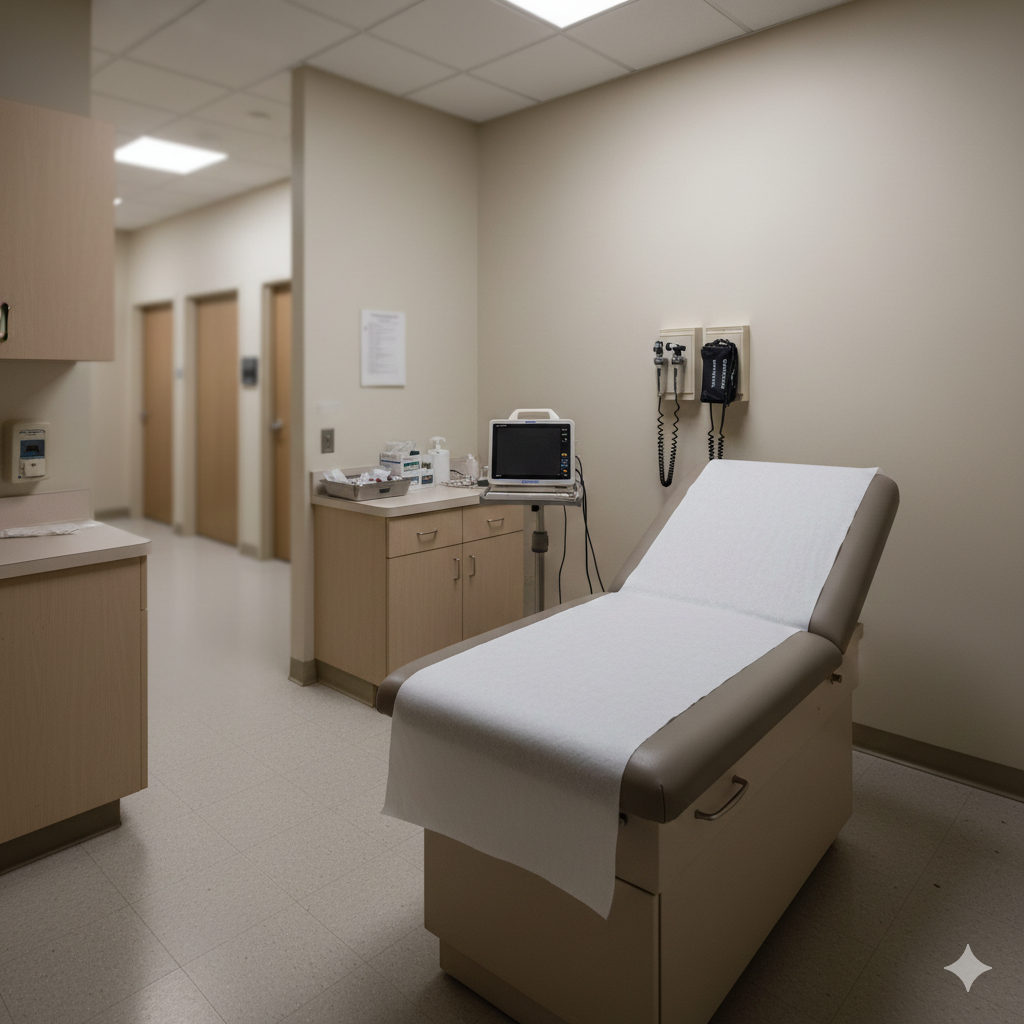
Urgent care is a category of walk-in medical care designed for illnesses and injuries that need prompt attention but are not life-threatening. Think of it as the middle ground between your primary care physician’s office and a hospital emergency room. Urgent care clinics operate on extended hours, often including evenings and weekends, and accept patients without appointments.
The model is built around efficiency. You walk in, get evaluated by a licensed medical provider, receive treatment or a diagnosis, and leave the same day. There is no admission process, no hospital bed assignment, and no overnight observation. The entire experience is structured as a single outpatient encounter.
Services Offered at Urgent Care Clinics
Urgent care clinics handle a broad range of non-emergency medical needs. Common services include treatment for minor infections, sprains, strains, cuts requiring stitches, flu and cold symptoms, ear infections, urinary tract infections, mild allergic reactions, and minor burns. Many clinics also offer diagnostic services like X-rays, lab work, rapid strep and flu tests, and basic blood panels.
Some urgent care locations provide additional services such as physicals, occupational health screenings, travel vaccinations, and DOT exams. In Honolulu, where tourism drives a significant portion of healthcare visits, urgent care clinics frequently treat sunburns, coral cuts, jellyfish stings, and traveler’s illnesses.
The key distinction is scope. Urgent care treats conditions that are acute but manageable within a short visit. If a condition requires continuous monitoring, IV medication over several hours, surgery, or specialized imaging like CT scans or MRIs, the patient is typically referred to a hospital or emergency department.
How Urgent Care Differs From Other Medical Facilities
Understanding where urgent care fits in the healthcare landscape helps clarify why overnight stays are not part of the model.
| Facility Type | Appointment Needed | Overnight Stays | Typical Conditions | Average Cost |
| Primary Care Physician | Yes | No | Routine checkups, chronic disease management | $150 – $300 |
| Urgent Care Clinic | No | No | Minor injuries, infections, acute illness | $100 – $350 |
| Emergency Room | No | Yes (if admitted) | Life-threatening emergencies, trauma, chest pain | $1,000 – $3,000+ |
| Hospital Inpatient | Referral/Admission | Yes | Surgery, serious illness, extended treatment | Varies widely |
Urgent care clinics are licensed as outpatient facilities. They do not carry hospital licensure, do not maintain inpatient beds, and are not staffed for round-the-clock patient monitoring. This is a regulatory and structural distinction, not simply a business choice.
Can You Stay Overnight in Urgent Care?
The direct answer is no. Urgent care clinics across the United States, including every location in Honolulu, operate strictly as outpatient facilities. You will not find a bed to sleep in, an overnight nursing staff, or any infrastructure for extended patient stays.
This is true regardless of the severity of your symptoms at the time of your visit. If a provider at an urgent care clinic determines that your condition requires overnight observation, continuous IV treatment, cardiac monitoring, or any form of inpatient care, they will arrange a transfer to the nearest hospital emergency department.
Why Urgent Care Clinics Do Not Offer Overnight Stays
Several factors make overnight stays impossible at urgent care facilities.
Licensing and regulation. Urgent care clinics are licensed as outpatient medical offices. State and federal healthcare regulations define specific facility categories, and urgent care does not fall under hospital or inpatient care classifications. Offering overnight stays would require a completely different license, staffing model, and facility design.
Staffing structure. Most urgent care clinics staff one to three providers per shift, supported by medical assistants and front desk personnel. Hospitals maintain 24-hour nursing coverage with specific nurse-to-patient ratios for overnight care. Urgent care simply does not have the personnel to monitor patients through the night.
Equipment limitations. While urgent care clinics carry essential diagnostic tools like X-ray machines and point-of-care lab testing, they lack the advanced equipment needed for extended care. Ventilators, telemetry monitors, crash carts with full resuscitation capability, and pharmacy-level medication dispensing systems are standard in hospitals but absent from urgent care settings.
Facility design. Urgent care exam rooms are built for short visits. They contain an exam table, basic supplies, and diagnostic equipment. They are not designed with patient beds, call buttons, bathroom access for immobile patients, or the physical space required for overnight accommodation.
What Happens If You Need Extended Medical Attention
If you arrive at an urgent care clinic and your condition turns out to be more serious than expected, the clinical team will stabilize you and coordinate a transfer. This might involve calling 911 for ambulance transport or, in less acute situations, advising you to proceed directly to the nearest emergency room.
Common scenarios where this occurs include chest pain that could indicate a cardiac event, signs of stroke, severe abdominal pain suggesting appendicitis or other surgical emergencies, deep lacerations with significant blood loss, high fevers with altered mental status, and serious allergic reactions progressing toward anaphylaxis.
In Honolulu, the major hospital emergency departments are located within reasonable driving distance of most urgent care clinics. Providers will direct you to the most appropriate facility based on your specific condition.
Urgent Care vs. Emergency Room: When to Go Where
Choosing between urgent care and the emergency room is one of the most consequential healthcare decisions you can make, both medically and financially. Going to the ER for a condition that urgent care can handle means longer wait times and significantly higher bills. Going to urgent care for a true emergency means delayed treatment for a potentially dangerous condition.
Conditions Treated at Urgent Care
Urgent care is appropriate for medical issues that need same-day attention but do not pose an immediate threat to life or limb.
Common urgent care conditions include:
- Colds, flu, cough, sore throat, sinus infections
- Ear infections and pink eye
- Urinary tract infections
- Minor cuts, scrapes, and wounds needing stitches
- Sprains, strains, and minor fractures
- Rashes, insect bites, mild allergic reactions
- Minor burns (first-degree, small second-degree)
- Nausea, vomiting, diarrhea (without severe dehydration)
- Back pain and joint pain
- Sports injuries (non-severe)
For visitors in Honolulu, urgent care also commonly treats reef cuts, sea urchin spine removal, jellyfish stings, sunburn, and dehydration from outdoor activities.
Conditions That Require an Emergency Room Visit
The emergency room is the right choice when symptoms suggest a condition that could result in permanent harm or death without immediate intervention.
Go to the ER for:
- Chest pain or pressure, especially with shortness of breath
- Signs of stroke (facial drooping, arm weakness, speech difficulty)
- Severe difficulty breathing
- Heavy, uncontrolled bleeding
- Head injuries with loss of consciousness
- Severe abdominal pain
- High fever with confusion or stiff neck
- Seizures
- Suspected poisoning or overdose
- Compound fractures or dislocated joints
- Severe burns covering large areas
If you are unsure, err on the side of caution. But for the vast majority of non-emergency medical needs, urgent care provides faster, more affordable treatment.
How to Decide Between Urgent Care and the ER in Honolulu
A practical decision framework helps. Ask yourself three questions:
Is this life-threatening? If there is any possibility of a heart attack, stroke, severe allergic reaction, or major trauma, call 911 or go directly to the nearest emergency room.
Can this wait until tomorrow? If the answer is yes, you may not even need urgent care. Schedule an appointment with your primary care provider. If you are visiting Honolulu and do not have a local doctor, urgent care is your best option for non-emergency issues.
Do I need overnight monitoring or surgery? If the answer is yes, you need a hospital. If the answer is no, urgent care can likely handle your situation efficiently and at a fraction of the cost.
What to Expect During an Urgent Care Visit
Knowing what happens during an urgent care visit reduces anxiety and helps you prepare. The process is straightforward and designed for speed.
Average Visit Length and Wait Times
Most urgent care visits in Honolulu take between 30 minutes and 90 minutes from check-in to discharge. Wait times vary depending on patient volume, time of day, and the complexity of cases ahead of you. Weekday mornings and Monday evenings tend to be busier. Mid-afternoon on weekdays is often the least crowded window.
The visit itself follows a predictable sequence. You check in at the front desk, provide your insurance information or indicate self-pay, complete a brief intake form, and wait to be called back. A medical assistant takes your vitals. A provider examines you, orders any necessary tests, discusses the diagnosis, and provides a treatment plan. You receive any prescriptions, discharge instructions, and follow-up recommendations before leaving.
If diagnostic tests like X-rays or lab work are needed, expect an additional 15 to 30 minutes for results.
What to Bring to Your Urgent Care Appointment
Arriving prepared speeds up the process. Bring the following:
- A valid photo ID
- Your insurance card (if insured)
- A list of current medications, including dosages
- A list of known allergies
- Any relevant medical records or recent test results
- A form of payment for copays or self-pay fees
Visitors to Honolulu should also bring their travel insurance documentation if applicable. Many travel insurance plans cover urgent care visits, but coverage varies by policy.
Urgent Care Costs and Pricing in Honolulu
Cost is one of the biggest reasons people choose urgent care over the emergency room. The price difference is substantial, and understanding what you will pay before you walk in eliminates one of the most stressful parts of seeking medical care.
Typical Urgent Care Visit Costs vs. ER Costs
The average urgent care visit in the United States costs between $100 and $350 for common conditions, depending on the complexity of the visit and any tests or procedures performed. Emergency room visits, by contrast, average $1,000 to $3,000 or more, even for conditions that urgent care could have treated.
In Honolulu, where the cost of living and healthcare costs trend above the national average, these figures may be slightly higher. However, the relative savings of urgent care compared to the ER remain significant.
| Service | Urgent Care Cost (Approx.) | ER Cost (Approx.) |
| Basic office visit | $100 – $200 | $500 – $1,000 |
| Visit with X-ray | $150 – $300 | $1,000 – $2,000 |
| Visit with lab work | $150 – $350 | $1,000 – $2,500 |
| Stitches for minor laceration | $150 – $350 | $800 – $2,000 |
| Flu/strep test and treatment | $100 – $250 | $500 – $1,500 |
These are general ranges. Actual costs depend on the specific clinic, the provider, the tests ordered, and your insurance plan.
Insurance Coverage at Urgent Care
Most major health insurance plans cover urgent care visits. This includes employer-sponsored plans, marketplace plans under the Affordable Care Act, Medicare, Medicaid (QUEST Integration in Hawaii), and TRICARE for military families stationed at Joint Base Pearl Harbor-Hickam or other Honolulu-area installations.
Your out-of-pocket cost with insurance typically consists of a copay, which commonly ranges from $25 to $75 for urgent care. Some plans apply the visit to your deductible instead of charging a flat copay, which means you pay the full visit cost until your deductible is met.
Before your visit, check your insurance card for the urgent care copay amount. If you are unsure whether a specific clinic is in-network, call your insurance company or the clinic directly. Visiting an in-network urgent care clinic keeps your costs at the lowest level your plan allows.
Self-Pay and Uninsured Patient Options
If you do not have insurance, you can still receive care at urgent care clinics. Most clinics offer transparent self-pay pricing, and some provide discounted rates for uninsured patients who pay at the time of service.
Self-pay rates for a basic urgent care visit in Honolulu generally range from $125 to $300, depending on the services required. Additional charges apply for X-rays, lab tests, splinting, wound care, and other procedures.
Many clinics accept cash, credit cards, debit cards, and health savings account (HSA) or flexible spending account (FSA) cards. Some offer payment plans for larger bills.
For travelers visiting Honolulu without local insurance, urgent care is almost always the most cost-effective option for non-emergency medical needs. The out-of-pocket cost is predictable, and you avoid the financial shock that often accompanies an ER visit.
Overnight Medical Care Options in Honolulu
Since urgent care cannot provide overnight stays, knowing where to go when you need extended or after-hours medical care in Honolulu is essential.
Hospitals and Emergency Rooms With 24-Hour Care
Honolulu has several hospitals with 24-hour emergency departments capable of admitting patients for overnight stays and extended treatment.
Major facilities include The Queen’s Medical Center, Straub Medical Center, Kapiolani Medical Center for Women and Children (the only dedicated pediatric hospital in Hawaii), and Pali Momi Medical Center. These hospitals handle everything from trauma and cardiac emergencies to surgical admissions and intensive care.
If an urgent care provider determines that your condition requires hospital-level care, they will typically recommend the nearest appropriate facility based on your location and the nature of your medical issue.
After-Hours Urgent Care and Walk-In Clinics
Some urgent care clinics in Honolulu offer extended evening hours, and a few operate on weekends and holidays. While none provide overnight stays, their extended hours can bridge the gap between your primary care doctor’s office closing and the need for non-emergency medical attention.
Check clinic hours before you go. If your medical need arises in the middle of the night and it is not an emergency, you have two practical options: wait until an urgent care clinic opens in the morning, or visit the emergency room if the condition cannot safely wait.
For minor issues that develop overnight, such as a low-grade fever, mild ear pain, or a minor wound that is not actively bleeding, waiting for urgent care to open is usually the safer financial decision. For anything that feels urgent or is worsening rapidly, the emergency room is the right call.
Why Honolulu Residents and Visitors Choose Urgent Care
Urgent care has become a preferred healthcare option in Honolulu for practical reasons that go beyond just cost savings.
Convenience and Accessibility for Tourists and Families
Honolulu attracts millions of visitors each year, and many of them encounter minor medical issues during their trip. Sunburns, dehydration, reef injuries, food-related illness, and ear infections from swimming are all common. Without a local primary care doctor, urgent care is the most accessible option.
For families with young children, urgent care offers a faster alternative to the ER for common pediatric issues like ear infections, fevers, rashes, and minor injuries. The shorter wait times and lower costs make it a practical first choice.
Walk-in availability means no appointment scheduling, no referral requirements, and no waiting days or weeks to be seen. You show up, get treated, and get back to your day.
Transparent Pricing and Patient-Centered Care
One of the biggest sources of healthcare anxiety is not knowing what a visit will cost. Urgent care clinics that prioritize transparent pricing remove that uncertainty. When you know the cost of a visit before you walk through the door, you can make an informed decision without worrying about surprise bills.
Patient-centered urgent care also means clear communication about your diagnosis, treatment options, and follow-up steps. Providers explain what they found, what they are treating, and what you should watch for after you leave. This level of clarity builds trust and helps patients feel confident in their care decisions.
For Honolulu residents managing ongoing healthcare costs and visitors navigating an unfamiliar medical system, this transparency is not a luxury. It is a necessity.
Conclusion
Urgent care clinics do not offer overnight stays. They are outpatient facilities built for fast, effective treatment of non-life-threatening conditions during a single visit. Knowing this distinction helps you choose the right level of care and avoid unnecessary ER costs.
For Honolulu residents, visitors, and families, urgent care fills a critical gap between primary care and the emergency room. It delivers timely treatment, predictable pricing, and professional medical attention without the overhead and expense of a hospital visit.
We are here when you need us. Visit Honolulu Urgent Care Clinic for transparent pricing, experienced providers, and compassionate care designed to get you feeling better fast.
Frequently Asked Questions
How long can you stay at an urgent care clinic?
Most urgent care visits last between 30 and 90 minutes. You remain at the clinic only for the duration of your evaluation, testing, and treatment. Once your provider completes your care and gives you discharge instructions, your visit is over.
What should you do if urgent care is closed and it is not an emergency?
If your condition is not life-threatening and urgent care is closed, you can wait until the clinic reopens the next morning. For worsening symptoms or any concern about a serious condition, go to the nearest hospital emergency room regardless of the time.
Does insurance cover urgent care visits in Honolulu?
Yes, most health insurance plans cover urgent care visits. Copays typically range from $25 to $75. Check your insurance card or call your insurer to confirm your copay amount and verify that the clinic you plan to visit is in-network.
Is urgent care cheaper than the emergency room?
Urgent care is significantly cheaper than the ER for comparable conditions. A basic urgent care visit costs roughly $100 to $350, while an ER visit for the same issue can cost $1,000 to $3,000 or more. Choosing urgent care for non-emergency needs saves substantial money.
Can urgent care treat children?
Yes, most urgent care clinics treat pediatric patients. Common childhood conditions like ear infections, fevers, rashes, minor fractures, and flu symptoms are well within the scope of urgent care. Check with the specific clinic to confirm the minimum age they accept.
Do you need an appointment for urgent care in Honolulu?
No. Urgent care clinics operate on a walk-in basis. You do not need an appointment or a referral from another doctor. Simply arrive during operating hours, check in at the front desk, and you will be seen in the order you arrived.
What happens if urgent care cannot treat your condition?
If your condition is beyond the scope of urgent care, the provider will stabilize you and recommend the appropriate next step. This may include a referral to a specialist, a recommendation to visit the emergency room, or in serious cases, coordination of ambulance transport to the nearest hospital.