Yes, you can often negotiate urgent care prices, especially if you are paying without insurance or receiving a bill higher than expected. Many urgent care clinics, including those in Honolulu, offer cash-pay discounts, payment plans, and flexibility when patients ask about pricing upfront.
Whether you are a local resident, a visitor to Oahu, or simply trying to avoid a costly emergency room trip, understanding how urgent care billing works puts you in a stronger position. Medical costs should never be a mystery, and a short conversation at the front desk can save you hundreds of dollars.
This guide walks you through how urgent care pricing works in Honolulu, when and how to negotiate your bill, what insurance does and does not cover, and practical ways to reduce your out-of-pocket costs before you even walk through the door.
Understanding Urgent Care Pricing in Honolulu
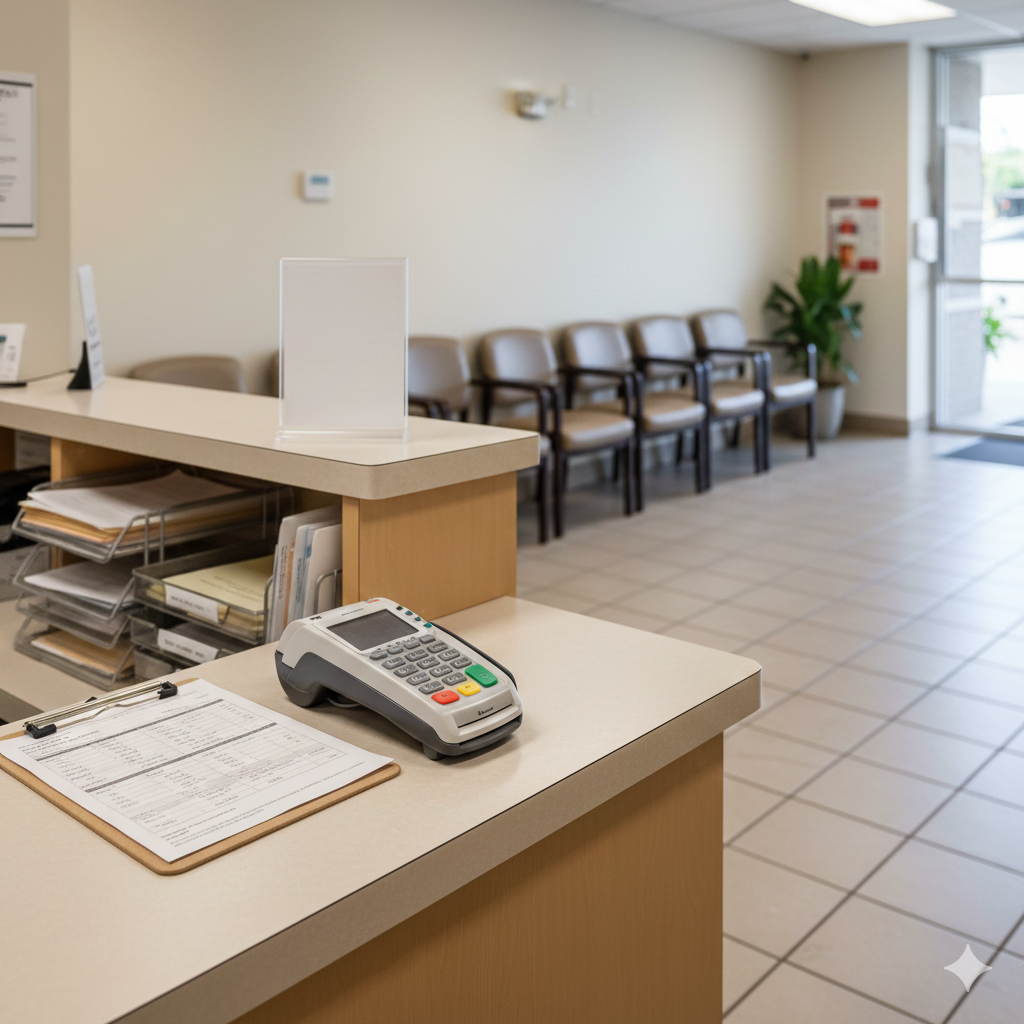
Urgent care pricing is not as rigid as most people assume. Unlike hospital emergency departments, which operate under complex billing structures tied to facility fees and physician charges, urgent care clinics typically use a simpler, more predictable fee model. Understanding what goes into your bill is the first step toward knowing whether there is room to negotiate.
In Honolulu, where the cost of living and healthcare expenses tend to run higher than the national average, this knowledge is especially valuable. Patients who understand the components of their bill are better equipped to ask the right questions and identify charges that may be adjustable.
What Determines the Cost of an Urgent Care Visit
Several factors influence what you will pay at an urgent care clinic. No two visits cost exactly the same because the final bill depends on the complexity of your condition and the services required.
The primary cost drivers include:
- Visit complexity. A straightforward evaluation for a sore throat costs less than treating a laceration that requires stitches or imaging.
- Diagnostic tests. X-rays, rapid strep tests, flu tests, urinalysis, and blood work each add to the total.
- Procedures performed. Wound care, splinting, IV fluids, injections, and minor surgical procedures carry additional charges.
- Medications dispensed on-site. Some clinics administer medications during the visit, which appear as separate line items.
- Your insurance plan. Copays, deductibles, and coinsurance percentages vary widely between plans. Self-pay patients face a different pricing structure entirely.
Location also matters. Healthcare costs in Hawaii are among the highest in the nation. According to the Kaiser Family Foundation, healthcare spending per capita in Hawaii consistently exceeds the national median, driven in part by geographic isolation and higher operational costs for providers.
Average Urgent Care Costs vs. Emergency Room Bills
One of the strongest reasons to choose urgent care is the cost difference compared to an emergency room visit. The gap is significant, and understanding it helps frame any negotiation conversation.
| Service Setting | Typical Cost Range (Uninsured) | Average With Insurance |
| Urgent care visit (basic) | $100 – $250 | $25 – $75 copay |
| Urgent care visit (moderate, with tests) | $250 – $600 | $50 – $150 after copay |
| Emergency room visit (non-critical) | $800 – $3,000+ | $150 – $500+ after copay/deductible |
According to the UnitedHealth Group, an estimated $32 billion is spent annually in the U.S. on emergency room visits that could have been handled at urgent care facilities. For a non-life-threatening condition like a sprained ankle, ear infection, or minor burn, urgent care delivers comparable treatment at a fraction of the ER price.
In Honolulu, where ER wait times can stretch during peak tourist seasons and weekends, urgent care also offers faster access. You pay less and get seen sooner.
Can You Actually Negotiate Your Urgent Care Bill
The short answer is yes, but the outcome depends on your situation, your timing, and how you approach the conversation. Urgent care clinics are businesses. They would rather collect a reasonable payment from you directly than send your account to collections or absorb the cost entirely.
Negotiation does not mean confrontation. It means having an honest conversation about what you can afford and asking whether the clinic offers any flexibility. Most do.
When Negotiation Is Most Likely to Work
Not every scenario gives you equal leverage, but several common situations make negotiation more realistic:
- You are uninsured. Self-pay patients often have the most room to negotiate because there is no insurance contract dictating the price. Clinics frequently offer a self-pay rate that is already lower than the billed rate for insured patients.
- You can pay in full at the time of service. Offering to pay the entire amount on the spot gives the clinic immediate revenue and eliminates billing costs. Many providers will reduce the total for same-day payment.
- Your bill is unexpectedly high. If you received services you did not anticipate or were not informed about in advance, you have a reasonable basis to ask for a review.
- You are a repeat patient. Clinics value patient loyalty. If you have visited before or plan to return, mentioning this can work in your favor.
- You are experiencing financial hardship. Many clinics, including those in Honolulu, have internal policies for reducing bills for patients who demonstrate genuine need.
The key is asking. According to a JAMA Internal Medicine study, fewer than 25% of patients attempt to negotiate medical bills, yet those who do frequently receive some form of reduction.
Self-Pay Patients and Cash-Pay Discounts
If you do not have insurance, or if your plan carries a high deductible that makes you effectively self-pay, cash-pay pricing is your most powerful tool.
Most urgent care clinics maintain two pricing tiers. The first is the standard billed rate, which is what they submit to insurance companies. The second is the self-pay or cash-pay rate, which is typically 30% to 50% lower because the clinic avoids the administrative cost of processing insurance claims, waiting for reimbursement, and handling denials.
You do not need to negotiate to access this rate. You simply need to ask: “What is your self-pay price for this visit?”
In Honolulu, where many visitors may be traveling without local insurance coverage or carrying out-of-network plans, this question alone can save a significant amount. Travelers from the mainland or international visitors should always ask about cash-pay options before presenting an insurance card that may result in higher out-of-network charges.
How to Negotiate Urgent Care Prices Step by Step
Negotiation works best when you treat it as a structured process rather than an improvised conversation. The following steps give you a clear framework whether you are negotiating before or after your visit.
Ask About Pricing Before Your Visit
The most effective time to discuss cost is before you receive care. Call the clinic or ask at the front desk when you arrive.
Questions to ask include:
- “What is the base cost for a visit?”
- “What is your self-pay or cash-pay rate?”
- “If I need an X-ray or lab test, what will that add to my bill?”
- “Do you offer any discounts for paying at the time of service?”
Most urgent care clinics can give you a reasonable estimate based on your symptoms. They may not be able to quote an exact total until the provider evaluates you, but they can tell you the range.
This step accomplishes two things. First, it eliminates surprise charges. Second, it signals to the clinic that you are a cost-conscious patient, which often prompts staff to proactively mention available discounts.
Request an Itemized Bill After Treatment
If you have already received care and the bill is higher than expected, request an itemized statement. This is different from the summary bill most clinics send by default.
An itemized bill breaks down every charge: the evaluation, each test, each procedure, each supply used. Review it carefully for:
- Duplicate charges. Errors happen. The same test or supply may appear twice.
- Services you did not receive. Occasionally, a standard panel of tests is billed even if not all were performed.
- Charges that seem disproportionate. A $50 charge for a basic bandage application, for example, may be negotiable.
Once you have the itemized bill, call the clinic’s billing department. Explain which charges you are questioning and ask whether any adjustments are possible. Billing staff handle these requests regularly. It is not unusual, and it is not rude.
Propose a Payment Plan or Lump-Sum Discount
If the total bill is accurate but more than you can comfortably pay at once, you have two strong options.
Option 1: Lump-sum discount. Offer to pay a reduced amount immediately. For example, if your bill is $400, you might say: “I can pay $280 today in full. Is that something you can work with?” Clinics often accept this because it guarantees payment and eliminates follow-up billing costs.
Option 2: Payment plan. Ask whether the clinic offers interest-free installment payments. Many urgent care facilities will split your balance into monthly payments with no additional fees, provided you set up the arrangement before the account becomes overdue.
Both approaches demonstrate good faith. You are not disputing the care you received. You are working with the clinic to find a payment structure that works for both sides.
Insurance Coverage and Urgent Care Costs
Insurance changes the negotiation equation significantly. When you have coverage, your out-of-pocket cost is determined largely by your plan’s terms rather than the clinic’s sticker price. But that does not mean you have no control over what you pay.
How Insurance Affects What You Pay
Your insurance plan determines your urgent care cost through several mechanisms:
- Copay. A fixed amount you pay per visit, typically $25 to $75 for urgent care under most plans. This is usually your only cost if you have met your deductible.
- Deductible. The amount you must pay out of pocket before insurance begins covering costs. If you have not met your deductible, you may owe the full negotiated rate between the clinic and your insurer.
- Coinsurance. After meeting your deductible, you may still owe a percentage of the bill, commonly 20%.
- In-network vs. out-of-network. Visiting an in-network urgent care clinic almost always costs less. Out-of-network visits may not count toward your deductible and can result in balance billing.
Before your visit, call your insurance company or check your plan’s app to confirm that the clinic is in-network. In Honolulu, where some visitors carry mainland-based plans, network status is especially important to verify.
What to Do If You Are Uninsured or Underinsured
If you lack insurance entirely, or if your plan’s deductible is so high that you are effectively paying out of pocket, several options can reduce your costs:
- Ask for the self-pay rate. As discussed above, this is almost always lower than the insured rate.
- Look into sliding-scale programs. Some clinics adjust fees based on income. Community health centers in Honolulu, funded in part by the Health Resources and Services Administration (HRSA), offer sliding-scale pricing.
- Apply for financial assistance. Larger healthcare organizations sometimes have charity care or hardship programs. Ask the billing department directly.
- Use a Health Savings Account (HSA) or Flexible Spending Account (FSA). If you have one through an employer, these pre-tax funds can cover urgent care costs.
- Compare prices before choosing a clinic. Under the No Surprises Act, patients have the right to request a good faith estimate of costs before receiving care from out-of-network providers or when paying without insurance.
Being uninsured does not mean you are without options. It means you need to ask more questions upfront.
Transparent Pricing and What to Expect at Honolulu Urgent Care Clinic
Price negotiation becomes less necessary when a clinic is upfront about costs from the start. At Honolulu Urgent Care Clinic, transparent pricing is not an afterthought. It is built into how we operate.
Our Approach to Upfront Cost Guidance
We believe patients should know what they are going to pay before they receive care, not after. When you visit our clinic, our front desk team will:
- Verify your insurance coverage and explain your expected copay or out-of-pocket cost.
- Provide self-pay pricing if you are uninsured or prefer to pay cash.
- Explain any additional costs that may apply if diagnostic tests or procedures are needed.
- Answer your billing questions directly, without redirecting you to a separate department.
This approach eliminates the anxiety that comes with not knowing what a medical visit will cost. For visitors to Honolulu who may be unfamiliar with local healthcare pricing, this clarity is especially important.
Conditions We Treat and Typical Visit Costs
Urgent care is designed for non-life-threatening conditions that need prompt attention but do not require an emergency room. Understanding which conditions are appropriate helps you choose the right care setting and avoid overpaying.
Common conditions treated at our Honolulu clinic include:
| Condition | Typical Urgent Care Cost Range |
| Cold, flu, sore throat | $100 – $200 |
| Ear or sinus infection | $100 – $200 |
| Minor cuts requiring stitches | $200 – $400 |
| Sprains and strains | $200 – $500 (with X-ray) |
| Urinary tract infection | $100 – $250 |
| Skin rash or allergic reaction | $100 – $250 |
| Minor burns | $150 – $350 |
These ranges reflect self-pay estimates. Insured patients typically pay only their copay for straightforward visits. If additional diagnostics are needed, we explain the added cost before proceeding.
For conditions like chest pain, difficulty breathing, severe head injuries, or signs of stroke, always call 911 or go to the nearest emergency room. Urgent care is not a substitute for emergency medicine.
Tips to Lower Your Urgent Care Bill Without Negotiating
Not everyone is comfortable negotiating, and that is perfectly fine. Several strategies can reduce your bill without any back-and-forth discussion.
Choose Urgent Care Over the Emergency Room
This is the single most impactful decision you can make. For non-emergency conditions, urgent care costs a fraction of what an ER visit costs. The care quality for appropriate conditions is comparable, and wait times are typically shorter.
If you are unsure whether your condition warrants an ER visit, call an urgent care clinic first. Most can advise you over the phone about whether your symptoms are appropriate for their facility or whether you should go to the emergency department.
In Honolulu, where ER visits at major hospitals can easily exceed $2,000 for non-critical presentations, choosing urgent care for a sprained wrist or a persistent cough is a straightforward way to save money.
Bring Insurance Information and Ask About Discounts Early
Arriving prepared reduces billing complications. Bring your insurance card, a valid photo ID, and a list of any medications you are currently taking.
If you are self-pay, mention it at check-in. Do not wait until after your visit to ask about discounts. Front desk staff can apply the self-pay rate immediately, and some clinics offer additional discounts for seniors, military personnel, students, or patients who pay with cash or debit rather than credit.
Small steps taken before your visit consistently lead to lower bills. Preparation is not negotiation. It is simply smart healthcare planning.
Conclusion
Negotiating urgent care prices is not only possible but often expected, especially for self-pay patients, those with high-deductible plans, and visitors navigating unfamiliar healthcare systems in Honolulu. Asking about pricing upfront, requesting itemized bills, and exploring cash-pay discounts are practical steps that can meaningfully reduce your out-of-pocket costs.
Transparent pricing, clear insurance guidance, and honest conversations about cost should be standard at every urgent care clinic. When patients understand their options, they make better decisions, experience less financial stress, and get the timely care they need without overpaying.
We are here to help you get quality medical care without the guesswork. At Honolulu Urgent Care Clinic, we provide upfront pricing, flexible payment options, and compassionate treatment for residents and visitors alike. Walk in today or call us to ask about costs before your visit.
Frequently Asked Questions
How much does an urgent care visit cost in Honolulu without insurance?
A basic urgent care visit in Honolulu typically costs between $100 and $250 for self-pay patients. If diagnostic tests, X-rays, or procedures are needed, the total can range from $250 to $600. Asking for the cash-pay rate at check-in usually provides the lowest available price.
Can I ask for a discount at urgent care if I pay cash?
Yes. Most urgent care clinics offer a cash-pay or self-pay discount because it eliminates insurance processing costs. Paying in full at the time of your visit often qualifies you for an additional reduction. Simply ask the front desk about cash-pay pricing before your appointment begins.
Is urgent care cheaper than the emergency room in Honolulu?
Urgent care is significantly cheaper for non-life-threatening conditions. A basic ER visit in Honolulu can cost $800 to $3,000 or more, while the same condition treated at urgent care typically costs $100 to $500. For conditions like sprains, infections, and minor injuries, urgent care provides comparable treatment at a lower price.
What should I do if my urgent care bill is higher than expected?
Request an itemized bill from the clinic’s billing department. Review each charge for accuracy, looking for duplicate entries or services you did not receive. Then call to discuss the bill and ask whether any adjustments, discounts, or payment plans are available. Most clinics are willing to work with patients on unexpected charges.
Does insurance cover urgent care visits in Hawaii?
Most health insurance plans cover urgent care visits, typically requiring a copay of $25 to $75 for in-network clinics. Coverage details depend on your specific plan, including your deductible and coinsurance. Always verify that the clinic is in-network before your visit to avoid higher out-of-network costs.
Can visitors to Honolulu use urgent care without local insurance?
Yes. Visitors can use urgent care clinics in Honolulu regardless of where their insurance is based. If your plan is out-of-network locally, ask about the self-pay rate, which may be lower than filing an out-of-network claim. Bring your insurance card so the clinic can check your benefits before treatment.
What conditions should I go to urgent care for instead of the ER?
Urgent care is appropriate for non-life-threatening conditions such as colds, flu, ear infections, minor cuts, sprains, rashes, urinary tract infections, and minor burns. If you experience chest pain, difficulty breathing, severe bleeding, signs of stroke, or a serious head injury, go directly to the emergency room or call 911.