Urgent care treats most coughs in a single visit, typically costing between $100 and $250 without insurance, and often under a standard copay for insured patients. That is a fraction of what an emergency room charges for the same evaluation.
Whether you are a Honolulu resident dealing with a lingering cough or a visitor who woke up feeling congested, knowing where to go and what it will cost removes the guesswork from getting better. This guide covers the most common causes of cough treated at urgent care, what happens during your visit, how much you can expect to pay in Honolulu, and when a cough actually warrants an ER trip instead.
Why Urgent Care Is the Right Choice for Cough Treatment
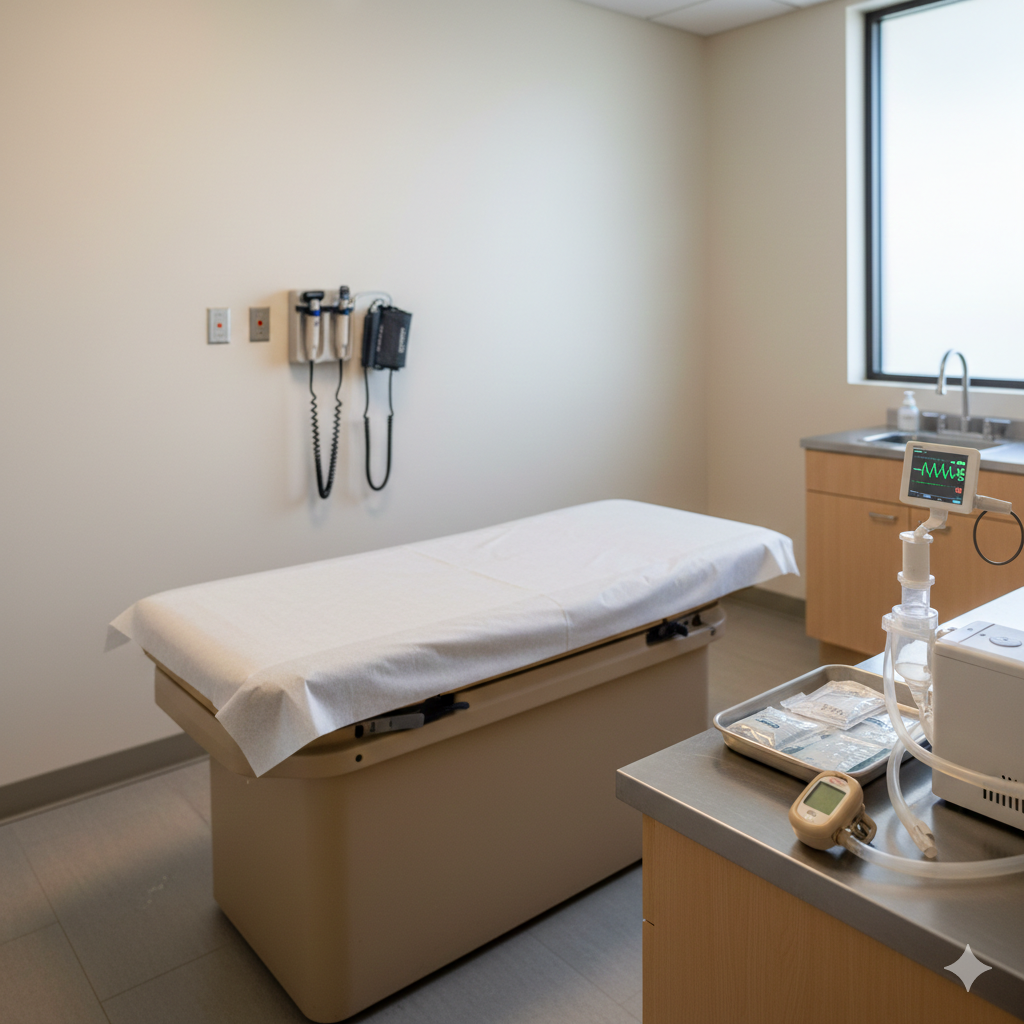
Most coughs do not require an emergency room. They require a focused evaluation, a clear diagnosis, and a treatment plan you can start the same day. Urgent care clinics are built for exactly this type of visit. You get access to a licensed medical provider, on-site diagnostics, and prescription medications without the multi-hour wait times or the inflated costs that come with an ER visit.
For the majority of patients in Honolulu, an urgent care visit for a cough means walking in, being seen within minutes, and leaving with answers and a plan. No appointment is necessary. No referral is needed.
When a Cough Needs Medical Attention
Not every cough requires a clinic visit. A mild, dry cough that lasts a day or two after mild congestion often resolves on its own with rest and fluids. But certain signs indicate that your cough has moved beyond what home remedies can handle.
You should seek medical care for a cough when:
- It has lasted longer than 7 to 10 days without improvement
- You are producing yellow, green, or blood-tinged mucus
- The cough is accompanied by a fever above 100.4°F
- You experience shortness of breath or wheezing
- Chest tightness or pain develops alongside the cough
- You have a pre-existing condition such as asthma, COPD, or a weakened immune system
- The cough is disrupting sleep, work, or daily activities
Children, older adults, and individuals with chronic health conditions should be evaluated sooner rather than later. A cough that seems minor can progress quickly in vulnerable populations.
Urgent Care vs. Emergency Room for a Cough
Choosing between urgent care and the emergency room is one of the most common decisions patients face. The distinction is straightforward, but the financial and time differences are significant.
| Factor | Urgent Care | Emergency Room |
| Average wait time | 15 to 45 minutes | 2 to 6 hours |
| Typical cost (uninsured) | $100 to $250 | $500 to $3,000+ |
| Typical copay (insured) | $25 to $75 | $150 to $500 |
| Appointment needed | No (walk-in) | No |
| On-site diagnostics | Yes (X-ray, rapid tests, pulse oximetry) | Yes (full imaging, labs) |
| Best for | Persistent cough, bronchitis, cold, flu, mild respiratory symptoms | Severe breathing difficulty, coughing blood, high fever with confusion, chest pain |
If you can speak in full sentences, your oxygen levels feel normal, and you are not experiencing a medical emergency, urgent care is almost always the appropriate and more cost-effective choice.
Common Causes of Cough Treated at Urgent Care
Urgent care providers evaluate and treat a wide range of cough-related conditions every day. Understanding the most common causes helps you know what to expect from your visit and why a specific treatment plan is recommended.
Upper Respiratory Infections and the Common Cold
The most frequent reason patients visit urgent care for a cough is an upper respiratory infection, commonly known as a cold. These infections are caused by viruses, most often rhinovirus, and they produce symptoms including nasal congestion, sore throat, mild body aches, and a cough that can be dry or productive.
Coughs from upper respiratory infections typically peak around day 3 to 5 and can linger for up to two weeks. Urgent care providers confirm the diagnosis, rule out bacterial complications, and recommend targeted symptom management. Antibiotics are not effective against viral infections, so treatment focuses on reducing discomfort and supporting recovery.
Bronchitis and Lower Respiratory Conditions
Acute bronchitis is one of the most common diagnoses at urgent care for patients with a persistent, productive cough. It occurs when the bronchial tubes become inflamed, usually following a viral upper respiratory infection.
Symptoms include a deep chest cough that produces mucus, mild chest soreness from repeated coughing, fatigue, and occasionally a low-grade fever. Acute bronchitis is typically viral, meaning antibiotics are not the first-line treatment. However, if a provider suspects a secondary bacterial infection, antibiotics may be prescribed.
Urgent care providers can also evaluate for early signs of pneumonia using chest X-rays and pulse oximetry, ensuring that a lower respiratory condition is not being overlooked.
Allergies, Asthma Flare-Ups, and Post-Nasal Drip
Honolulu’s tropical climate, trade winds, and year-round pollen exposure make allergy-related coughs particularly common among both residents and visitors. Post-nasal drip, where excess mucus drains from the sinuses into the throat, is one of the leading causes of chronic cough.
Asthma flare-ups can also present as a persistent cough, especially at night or after physical activity. Urgent care providers can administer nebulizer treatments on-site, prescribe inhalers, and recommend antihistamines or nasal corticosteroids to address the underlying cause.
If you have never been diagnosed with allergies or asthma but are experiencing a cough that worsens in certain environments or at specific times of day, an urgent care evaluation can help identify the trigger.
Other Cough-Related Conditions Seen at Urgent Care
Beyond the most common causes, urgent care clinics also evaluate and treat coughs related to:
- Sinusitis: Bacterial sinus infections that produce thick mucus drainage and a persistent cough
- Laryngitis: Inflammation of the voice box causing a hoarse, barking cough
- Influenza (flu): Seasonal flu often presents with a sudden, dry cough alongside high fever and body aches
- COVID-19 and other respiratory viruses: Rapid testing is available at most urgent care facilities
- Gastroesophageal reflux (GERD): Acid reflux can cause a chronic, dry cough that worsens after eating or lying down
- Mild medication side effects: Certain blood pressure medications, particularly ACE inhibitors, are known to cause a persistent dry cough
A provider will consider your full symptom picture, medical history, and any recent exposures to determine the most likely cause.
What to Expect During a Cough Visit at Urgent Care
Knowing what happens during your visit eliminates uncertainty and helps you prepare. A typical urgent care visit for a cough follows a structured, efficient process.
Initial Assessment and Diagnostic Testing
When you arrive, a medical assistant will take your vital signs, including temperature, blood pressure, heart rate, and oxygen saturation using a pulse oximeter. You will be asked about the duration of your cough, the type of mucus you are producing, any associated symptoms, your medical history, current medications, and recent travel or illness exposures.
Based on this initial assessment, the provider may order diagnostic tests. Common tests for cough evaluation at urgent care include:
- Rapid strep test to rule out streptococcal pharyngitis
- Rapid influenza or COVID-19 test for viral identification
- Chest X-ray if pneumonia or a lower respiratory condition is suspected
- Pulse oximetry to measure blood oxygen levels
- Throat culture if a bacterial infection is suspected but the rapid test is inconclusive
Most of these tests produce results within 15 to 30 minutes, allowing the provider to make a diagnosis during the same visit.
Treatment Options for Cough at Urgent Care
Treatment depends entirely on the underlying cause. Urgent care providers tailor the plan to your specific diagnosis rather than applying a one-size-fits-all approach.
Common treatments prescribed or administered during a cough visit include:
- Prescription cough suppressants (such as benzonatate) for dry, non-productive coughs that disrupt sleep
- Expectorants (such as guaifenesin) to thin mucus and make productive coughs more effective
- Antibiotics (such as amoxicillin or azithromycin) when a bacterial infection like bacterial bronchitis, sinusitis, or pneumonia is confirmed
- Inhaled bronchodilators (albuterol via nebulizer or inhaler) for wheezing or asthma-related cough
- Oral or nasal corticosteroids for inflammation related to allergies or asthma
- Antihistamines and decongestants for allergy-driven or post-nasal drip coughs
- Antiviral medications (such as oseltamivir for influenza) when started within 48 hours of symptom onset
- Supportive care guidance including hydration recommendations, rest, humidifier use, and over-the-counter options
If your cough is viral, the provider will explain why antibiotics are not appropriate and what you can do to manage symptoms effectively while your body fights the infection.
Prescriptions, Follow-Up Care, and Recovery Timeline
Most prescriptions can be sent electronically to a pharmacy of your choice, including pharmacies near Waikiki and throughout Honolulu. If you are a visitor without a local pharmacy preference, the front desk staff can help you locate the nearest option.
Recovery timelines vary by diagnosis:
- Common cold cough: 7 to 14 days
- Acute bronchitis: 2 to 3 weeks (cough may linger after other symptoms resolve)
- Bacterial sinusitis: Improvement within 48 to 72 hours of starting antibiotics
- Flu-related cough: 1 to 2 weeks
- Allergy-related cough: Ongoing management with improvement within days of starting treatment
Your provider will give you clear instructions on when to return if symptoms worsen, do not improve within a specified timeframe, or if new symptoms develop. Follow-up visits at urgent care are straightforward and do not require a new referral.
How Much Does Cough Treatment Cost at Urgent Care in Honolulu
Cost is one of the top concerns for patients considering urgent care, and it should be. Understanding what you will pay before you walk through the door reduces financial stress and helps you make a confident decision.
Average Visit Costs With and Without Insurance
Urgent care visit costs for cough treatment in Honolulu generally fall within predictable ranges. The total depends on whether diagnostic tests or prescriptions are needed beyond the base evaluation.
| Service | Estimated Cost (Self-Pay) |
| Basic urgent care visit (evaluation only) | $100 to $200 |
| Visit + rapid test (flu, COVID, strep) | $125 to $250 |
| Visit + chest X-ray | $175 to $350 |
| Visit + nebulizer treatment | $150 to $275 |
| Prescription medications (at pharmacy) | $5 to $80 depending on medication |
For insured patients, the out-of-pocket cost is typically limited to your plan’s urgent care copay, which ranges from $25 to $75 for most plans. Diagnostic tests and prescriptions may be subject to your deductible or coinsurance depending on your specific coverage.
These costs are substantially lower than an emergency room visit for the same condition, where the facility fee alone can exceed $500 before any testing or treatment is added.
Insurance Coverage for Urgent Care Cough Visits
Most major insurance plans cover urgent care visits, including plans from HMSA, Kaiser Permanente, UnitedHealthcare, Aetna, Cigna, and TRICARE. Urgent care is classified as an outpatient service, and most plans apply a flat copay rather than requiring you to meet your deductible first.
Before your visit, you can:
- Call the number on the back of your insurance card to confirm urgent care coverage
- Ask the clinic’s front desk if they accept your plan
- Check your insurer’s online provider directory
If your plan includes out-of-network benefits, you may still be covered even if the clinic is not in your primary network, though your copay or coinsurance may be higher.
Self-Pay and Transparent Pricing Options
If you do not have insurance, are between plans, or prefer to pay out of pocket, urgent care clinics in Honolulu typically offer transparent self-pay pricing. This means you know the cost before your visit begins, with no surprise bills arriving weeks later.
Self-pay rates for a cough visit generally include the provider evaluation and basic in-office procedures. Additional tests like X-rays or rapid diagnostic panels are quoted separately so you can make informed decisions about your care.
Some clinics also offer discounted self-pay rates that are lower than what they bill insurance companies. Asking about self-pay pricing upfront is always appropriate and encouraged.
Cough Treatment for Visitors and Travelers in Honolulu
Honolulu welcomes millions of visitors each year, and travel-related illness is common. Changes in climate, air travel exposure, and disrupted sleep patterns can all trigger or worsen a cough. Urgent care is designed to serve visitors just as efficiently as residents.
Out-of-State Insurance and Travel Health Concerns
If you are visiting from the mainland or another country, your insurance may still cover an urgent care visit in Honolulu. Most PPO plans include out-of-network benefits that apply nationwide. HMO plans are more restrictive, but many still cover urgent care visits outside your home state when the visit is for an acute condition.
Travel insurance policies, including those purchased through airlines or credit card companies, frequently cover urgent care visits for illness during your trip. Bring your insurance card and a photo ID to your visit, and the front desk team can verify your coverage before you are seen.
If your insurance does not apply or you are traveling without coverage, self-pay rates at urgent care are straightforward and significantly less than a hospital emergency room visit.
Walk-In Availability and What to Bring
No appointment is needed. Urgent care clinics in Honolulu operate on a walk-in basis, and most are open seven days a week with extended hours that accommodate both early morning and evening visits.
When you arrive, bring:
- A valid photo ID (driver’s license, passport, or state ID)
- Your insurance card (if applicable)
- A list of current medications
- Any relevant medical history, especially if you have asthma, COPD, or other chronic conditions
- Payment method (credit card, debit card, or cash for self-pay)
Check-in is fast. Most patients are seen within 15 to 30 minutes of arrival, and the entire visit, from check-in to checkout, typically takes under an hour.
When to Go to the ER Instead of Urgent Care for a Cough
Urgent care handles the vast majority of cough-related conditions, but certain symptoms require emergency-level care. Recognizing these warning signs can be lifesaving.
Go to the emergency room immediately if you experience:
- Severe difficulty breathing or inability to catch your breath
- Coughing up significant amounts of blood (not just blood-streaked mucus)
- Chest pain or pressure that feels like more than muscle soreness from coughing
- High fever (above 103°F) combined with confusion, disorientation, or extreme weakness
- Bluish discoloration of the lips, fingertips, or face (a sign of dangerously low oxygen)
- Inability to keep fluids down due to severe nausea or vomiting alongside respiratory symptoms
- Sudden onset of swelling in the throat or tongue that affects your ability to breathe or swallow
If you are unsure whether your symptoms are urgent care-appropriate or ER-level, call the clinic. Most urgent care facilities can help you triage over the phone and direct you to the right level of care.
How to Prevent Coughs and Protect Your Health in Honolulu
Prevention reduces the likelihood of needing a clinic visit in the first place. Honolulu’s environment presents specific factors worth considering.
Hygiene and illness prevention: Frequent handwashing remains the single most effective way to prevent respiratory infections. Avoid touching your face after contact with shared surfaces, especially in high-traffic tourist areas, airports, and public transportation.
Allergy management: Honolulu’s year-round growing season means pollen, mold, and dust mite exposure is constant. If you are prone to allergies, using a daily antihistamine and keeping windows closed during high-pollen periods can reduce post-nasal drip and allergy-related cough.
Hydration and humidity: Air-conditioned hotel rooms and offices can dry out your airways, making you more susceptible to irritation and cough. Staying well-hydrated and using a portable humidifier can help, particularly for visitors adjusting to a new climate.
Vaccinations: Staying current on your annual flu vaccine and COVID-19 boosters reduces your risk of the most common viral causes of cough. Pneumococcal vaccines are recommended for adults over 65 and individuals with chronic lung conditions.
Avoiding smoke and vog: Volcanic haze, known locally as vog, can irritate the respiratory tract and trigger coughing, especially in individuals with asthma or other lung conditions. On high-vog days, limit outdoor exertion and keep windows closed.
Conclusion
Cough treatment at urgent care covers everything from viral upper respiratory infections and bronchitis to allergy-related coughs and early-stage pneumonia evaluation. The process is fast, the diagnostics are thorough, and the cost is a fraction of what an emergency room charges for the same level of care.
For residents and visitors in Honolulu, having a clear understanding of what urgent care treats, what it costs, and when to go makes healthcare decisions simpler and less stressful. Transparent pricing, walk-in access, and same-day treatment mean you do not have to wait days for a primary care appointment or spend hours in an ER waiting room.
We are here to help you feel better quickly and confidently. Visit Honolulu Urgent Care Clinic for same-day cough evaluation, clear pricing, and compassionate care from experienced providers who put your health and peace of mind first.
Frequently Asked Questions
Can urgent care treat a cough that has lasted more than two weeks?
Yes. Urgent care providers evaluate persistent coughs lasting two weeks or longer. They can perform diagnostic testing, identify underlying causes like bronchitis or allergies, and prescribe targeted treatment or refer you to a specialist if needed.
Do I need an appointment to visit urgent care for a cough in Honolulu?
No appointment is necessary. Urgent care clinics in Honolulu accept walk-in patients seven days a week. Most patients are seen within 15 to 30 minutes of arrival.
Will urgent care prescribe antibiotics for my cough?
Only if the provider determines your cough is caused by a bacterial infection such as bacterial bronchitis, sinusitis, or pneumonia. Viral coughs, which are more common, do not respond to antibiotics and are treated with other medications and supportive care.
How much does it cost to see urgent care for a cough without insurance?
A self-pay visit for cough evaluation in Honolulu typically costs between $100 and $250, depending on whether diagnostic tests like chest X-rays or rapid flu tests are needed. Pricing is transparent and discussed before treatment begins.
Does my insurance cover an urgent care visit for a cough?
Most insurance plans, including HMSA, Kaiser, UnitedHealthcare, Aetna, and TRICARE, cover urgent care visits. Your out-of-pocket cost is usually limited to your plan’s urgent care copay, which typically ranges from $25 to $75.
Can visitors from the mainland use urgent care in Honolulu?
Absolutely. Urgent care clinics serve visitors and travelers regularly. Most PPO insurance plans provide out-of-network coverage for urgent care visits nationwide. Self-pay options are also available at transparent rates.
What is the difference between urgent care and the ER for a cough?
Urgent care treats non-emergency coughs including those caused by colds, bronchitis, flu, and allergies at a lower cost and shorter wait time. The ER is appropriate when a cough is accompanied by severe breathing difficulty, significant blood, chest pain, or dangerously high fever.