Urgent care clinics treat most cold and flu symptoms in under an hour, often at a fraction of what an emergency room visit costs. For Honolulu residents, visitors, and families, that means faster relief, lower bills, and medical guidance from providers who handle respiratory illnesses every day.
Whether you are weighing insurance copays against self-pay pricing or simply wondering if your symptoms warrant a clinic visit, this guide covers everything you need to know. You will find details on the symptoms urgent care treats, how providers diagnose and manage cold and flu, what a visit actually costs, and how the experience compares to an ER trip in Honolulu.
What Cold and Flu Symptoms Can Urgent Care Treat
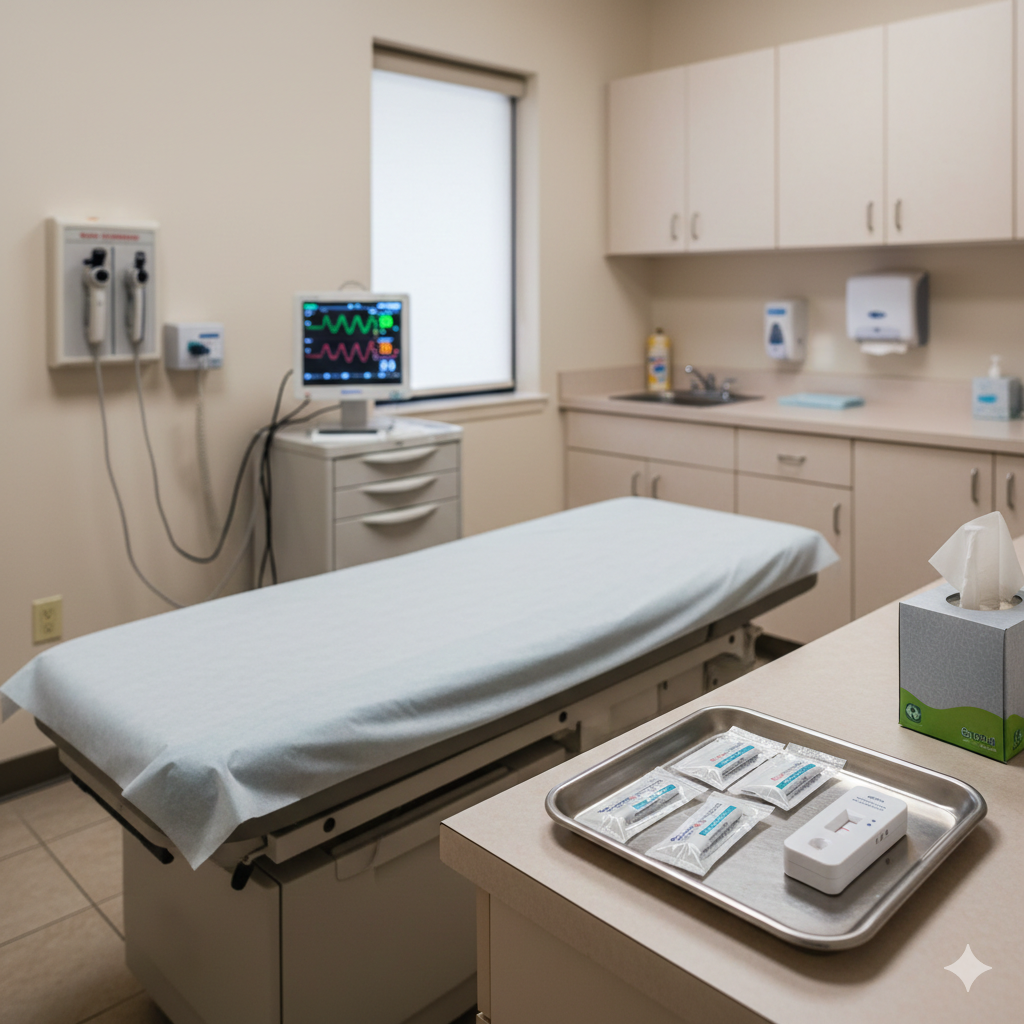
Urgent care clinics are equipped to evaluate and treat the full range of cold and flu symptoms that do not require emergency intervention. If you are dealing with a respiratory illness that makes daily life difficult but does not involve life-threatening warning signs, an urgent care visit is almost always the right call.
Common Cold Symptoms Treated at Urgent Care
A standard cold typically brings on a cluster of upper respiratory symptoms that are uncomfortable but manageable with the right medical support. Urgent care providers routinely treat:
- Persistent nasal congestion and runny nose
- Sore throat and mild cough
- Sinus pressure and headache
- Low-grade fever under 101°F
- Sneezing, watery eyes, and postnasal drip
- Mild body aches and fatigue
Most cold symptoms resolve within seven to ten days. However, when congestion lingers beyond that window or a cough worsens, urgent care providers can rule out secondary infections like sinusitis or bronchitis and prescribe targeted treatment.
Flu Symptoms That Require Urgent Care Attention
Influenza hits harder and faster than the common cold. Flu symptoms tend to appear suddenly and include high fever, intense body aches, chills, and deep fatigue. Urgent care is well suited to handle these cases because early intervention, particularly within the first 48 hours of symptom onset, can significantly reduce the severity and duration of the illness.
Symptoms that benefit from an urgent care evaluation include:
- Fever above 101°F lasting more than two days
- Severe body and muscle aches
- Persistent dry or productive cough
- Chest tightness without severe breathing difficulty
- Extreme fatigue and inability to stay hydrated
- Headache with sinus pressure
The CDC recommends antiviral treatment for patients at higher risk of flu complications, including adults over 65, young children, pregnant women, and individuals with chronic health conditions. Urgent care providers can prescribe these medications on the spot after a rapid flu test.
When Cold or Flu Symptoms Become Serious
Not every cold or flu case belongs at urgent care. Certain symptoms signal a medical emergency and require immediate attention at a hospital emergency department. Go to the ER if you experience:
- Difficulty breathing or shortness of breath at rest
- Persistent chest pain or pressure
- Confusion, dizziness, or inability to stay awake
- Severe dehydration with no urine output
- Bluish discoloration of lips or face
- Symptoms that improve and then return with a higher fever and worsening cough
For children, emergency warning signs include rapid breathing, refusal to drink fluids, inconsolable irritability, and fever with a rash. When in doubt, call your urgent care clinic first. Providers can help you determine whether your symptoms need emergency-level care or can be safely managed at the clinic.
How Urgent Care Treats Cold and Flu
Walking into an urgent care clinic for cold or flu symptoms is a straightforward process. Providers follow a structured approach that moves from evaluation to diagnosis to treatment, usually within a single visit lasting 30 to 60 minutes.
Medical Evaluation and Rapid Testing
Your visit begins with a clinical assessment. A provider will review your symptoms, check your vital signs, and examine your throat, ears, nose, and lungs. If influenza is suspected, most urgent care clinics offer rapid influenza diagnostic tests that return results in 15 to 20 minutes.
Some clinics also offer rapid strep tests and COVID-19 testing to rule out overlapping conditions. This matters because strep throat, COVID-19, and the flu can share symptoms like fever, sore throat, and body aches. Accurate testing ensures you receive the right treatment rather than a generic recommendation to rest and drink fluids.
Prescription Medications and Antiviral Treatment
One of the biggest advantages of visiting urgent care for the flu is access to prescription antiviral medications like oseltamivir (Tamiflu). When started within the first 48 hours of symptom onset, antivirals can shorten the duration of the flu by one to two days and reduce the risk of complications like pneumonia.
Beyond antivirals, urgent care providers may prescribe:
- Prescription-strength cough suppressants
- Antibiotics if a bacterial infection is confirmed (not for viral illness alone)
- Oral or nasal corticosteroids for severe sinus inflammation
- Prescription decongestants for persistent congestion
- Anti-nausea medication if vomiting accompanies the flu
Providers will also advise on appropriate over-the-counter medications, including acetaminophen or ibuprofen for fever and pain, and guide you on proper dosing.
Supportive Care and Recovery Guidance
Not every cold or flu visit results in a prescription. In many cases, the most valuable part of the visit is a clear diagnosis and a structured recovery plan. Providers offer guidance on hydration, rest, symptom management, and when to return if symptoms worsen.
For patients with mild cold symptoms, supportive care recommendations often include saline nasal rinses, warm fluids, humidifier use, and rest. Knowing that your symptoms are viral and self-limiting, rather than bacterial or something more serious, provides peace of mind and prevents unnecessary antibiotic use.
Urgent Care vs Emergency Room for Cold and Flu
Choosing between urgent care and the emergency room is one of the most common decisions patients face when cold or flu symptoms escalate. The right choice depends on symptom severity, and in most cases, urgent care is the faster, more affordable, and equally effective option.
When to Choose Urgent Care
Urgent care is the appropriate setting for cold and flu symptoms that are uncomfortable or worsening but not life-threatening. This includes:
- Fever that has lasted more than two days
- Cough that is not improving with over-the-counter treatment
- Sore throat severe enough to affect swallowing
- Sinus pain and congestion lasting more than ten days
- Mild to moderate dehydration
- Need for a flu test or prescription medication
- Ear pain or suspected ear infection alongside cold symptoms
Urgent care clinics are designed for exactly these situations. You receive a focused evaluation, rapid testing, and a treatment plan without the extended wait times and higher costs associated with an ER visit.
When to Go to the Emergency Room
The emergency room is necessary when symptoms suggest a potentially life-threatening complication. This includes difficulty breathing, chest pain, signs of severe dehydration, confusion, or symptoms in very young infants. If you are unsure, calling your urgent care clinic for guidance is a safe first step.
Cost Comparison Between Urgent Care and the ER
Cost is a significant factor for many patients, especially those who are self-pay or have high-deductible insurance plans. The price difference between urgent care and the ER for cold and flu treatment is substantial.
| Service Setting | Typical Cost Range (Without Insurance) | Average Wait Time |
| Urgent Care Visit | $100 to $300 | 15 to 45 minutes |
| Emergency Room Visit | $500 to $3,000+ | 2 to 6 hours |
According to the UnitedHealth Group, roughly $32 billion is spent annually in the United States on emergency room visits that could have been handled at urgent care or a primary care office. For a straightforward flu evaluation with a rapid test and prescription, urgent care delivers the same clinical outcome at a fraction of the cost.
How Much Does Cold and Flu Treatment Cost at Urgent Care
Understanding the cost of an urgent care visit before you walk through the door removes one of the biggest barriers to seeking timely care. Pricing varies based on the complexity of your visit, the tests performed, and your insurance status.
Average Visit Cost for Cold and Flu
A standard cold or flu visit at urgent care typically falls between $100 and $250 for the evaluation and basic treatment. If rapid flu testing, strep testing, or other diagnostics are added, the total may increase by $25 to $75 per test. Prescription costs are separate and vary depending on your pharmacy and insurance coverage.
For context, a basic urgent care visit is comparable in cost to a primary care office visit but available without an appointment and often with same-day availability, including evenings and weekends.
Insurance Coverage for Urgent Care Visits
Most major health insurance plans cover urgent care visits for cold and flu treatment. Your out-of-pocket cost depends on your specific plan, but common scenarios include:
- Copay-based plans: A fixed copay of $25 to $75 per urgent care visit, with the remainder covered by insurance
- High-deductible plans: You may pay the full visit cost until your deductible is met, after which insurance covers a percentage
- HMO and PPO plans: Urgent care is typically covered as an in-network benefit, though PPO plans may offer more flexibility in clinic choice
Before your visit, check with your insurance provider or call the clinic to confirm that your plan is accepted. Many urgent care clinics in Honolulu accept a wide range of insurers, including HMSA, Kaiser, UnitedHealthcare, TRICARE, and most mainland plans.
Self-Pay and Uninsured Pricing Options
If you do not have insurance or prefer to pay out of pocket, urgent care clinics often offer transparent self-pay rates. These are typically posted on the clinic’s website or available by phone before your visit.
Self-pay pricing for cold and flu treatment generally ranges from $100 to $250 depending on the services provided. Some clinics offer bundled pricing that includes the evaluation, rapid testing, and a basic prescription, giving you a clear total before treatment begins. This transparency is especially valuable for travelers visiting Honolulu who may not have local insurance coverage.
What to Expect During a Cold and Flu Urgent Care Visit
Knowing what happens during your visit reduces anxiety and helps you prepare. The process is designed to be efficient, moving from check-in to discharge in under an hour for most cold and flu cases.
Check-In and Wait Times
Most urgent care clinics accept walk-in patients with no appointment required. When you arrive, you will complete a brief intake form covering your symptoms, medical history, allergies, and insurance information. Many clinics now offer online check-in, allowing you to reserve your spot and reduce your in-clinic wait time.
Average wait times at urgent care range from 15 to 45 minutes, though this varies by time of day and season. Flu season, which typically peaks between December and February in Hawaii, tends to bring higher patient volumes. Visiting during mid-morning or early afternoon on weekdays often means shorter waits.
Examination and Diagnostic Process
Once you are seen by a provider, the examination is focused and efficient. The provider will listen to your lungs, check your throat and ears, assess your temperature and oxygen levels, and ask targeted questions about the timeline and severity of your symptoms.
If the flu is suspected, a rapid influenza test involves a simple nasal swab with results available in about 15 minutes. Based on the findings, the provider will explain your diagnosis, discuss treatment options, and answer any questions you have about medications, recovery timeline, or warning signs to watch for.
Discharge Instructions and Follow-Up Care
Before you leave, you will receive clear discharge instructions that include:
- Your diagnosis and what it means
- Prescribed medications with dosing instructions
- Over-the-counter recommendations for symptom relief
- Specific guidance on when to return or seek emergency care
- Expected recovery timeline
- Hydration and rest recommendations
If your symptoms do not improve within the expected timeframe, or if they worsen, you are encouraged to return for a follow-up evaluation. Urgent care clinics can also coordinate with your primary care physician if ongoing management is needed.
Cold and Flu Treatment for Visitors and Travelers in Honolulu
Honolulu welcomes millions of visitors each year, and getting sick while traveling is stressful enough without the added worry of finding reliable medical care. Urgent care clinics serve as an accessible healthcare option for tourists, business travelers, and temporary residents who need cold or flu treatment away from home.
Using Out-of-State or Travel Insurance at Urgent Care
Many urgent care clinics in Honolulu accept out-of-state insurance plans, including most PPO networks and national carriers like UnitedHealthcare, Aetna, Cigna, and Blue Cross Blue Shield. If you have travel insurance, urgent care visits for illness are typically covered under your policy’s medical benefit.
Before your visit, call the clinic to confirm your specific plan is accepted. If your insurance is not accepted or you are unsure about coverage, self-pay rates provide a straightforward alternative with no surprise billing.
Walk-In Availability and No Appointment Needed
One of the biggest advantages of urgent care for travelers is walk-in access. You do not need a local physician referral or a pre-scheduled appointment. Clinics are typically open seven days a week, including evenings, making them accessible regardless of your travel schedule.
For visitors staying in Waikiki, Honolulu’s urban core, or surrounding neighborhoods, urgent care clinics are conveniently located and easy to reach by car, rideshare, or public transit. This accessibility means you can get tested, diagnosed, and treated for cold or flu symptoms without disrupting your trip more than necessary.
How to Prevent Cold and Flu Before and After Treatment
Treatment addresses the immediate illness, but prevention reduces your risk of getting sick again or spreading the infection to family members, coworkers, or fellow travelers.
Flu Vaccination and Preventive Care
The single most effective way to prevent influenza is the annual flu vaccine. The CDC recommends flu vaccination for everyone six months of age and older, ideally before flu season begins. Many urgent care clinics in Honolulu offer flu shots on a walk-in basis, making it easy to get vaccinated without a separate appointment.
For residents, staying current on flu vaccination each fall provides the best protection heading into peak season. For visitors, getting vaccinated before traveling to Hawaii, where close-quarters tourism environments increase exposure risk, is a practical precaution.
At-Home Recovery Tips After an Urgent Care Visit
After your urgent care visit, following your provider’s recovery plan accelerates healing and reduces the chance of complications. Key recovery strategies include:
- Stay hydrated. Drink water, clear broths, and electrolyte beverages throughout the day. Fever and congestion increase fluid loss.
- Rest fully. Your body fights infection most effectively during sleep. Avoid returning to work or activities too soon.
- Take medications as directed. Complete any prescribed course of antivirals or antibiotics. Use over-the-counter medications on schedule for symptom relief.
- Monitor your symptoms. Track your temperature and note any changes. Return to urgent care if fever returns after improving, breathing becomes difficult, or symptoms persist beyond ten days.
- Practice good hygiene. Wash hands frequently, cover coughs and sneezes, and avoid close contact with others until you have been fever-free for at least 24 hours without medication.
- Use a humidifier. Adding moisture to the air helps relieve nasal congestion and sore throat, especially in air-conditioned environments.
Conclusion
Cold and flu treatment at urgent care gives Honolulu residents, visitors, and families a fast, affordable path to relief. From rapid flu testing and antiviral prescriptions to clear cost guidance and walk-in convenience, urgent care handles the full spectrum of non-emergency respiratory illness with efficiency and clinical accuracy.
Choosing urgent care over the emergency room for cold and flu symptoms saves time, reduces medical costs, and connects you with providers who specialize in exactly these conditions. Whether you are navigating insurance coverage, paying out of pocket, or visiting Honolulu from the mainland, transparent pricing and accessible care make the decision straightforward.
We are here to help you feel better, faster. At Honolulu Urgent Care Clinic, our team provides expert cold and flu treatment with clear pricing, minimal wait times, and the compassionate care you deserve. Walk in today or check in online to get started.
Frequently Asked Questions About Cold and Flu Treatment at Urgent Care
Can urgent care prescribe Tamiflu for the flu?
Yes. Urgent care providers can prescribe oseltamivir (Tamiflu) and other antiviral medications after confirming influenza with a rapid flu test. For best results, antivirals should be started within 48 hours of symptom onset.
How much does an urgent care visit cost for cold or flu without insurance?
A self-pay urgent care visit for cold or flu treatment typically costs between $100 and $250, depending on the services and tests performed. Many clinics offer transparent pricing you can confirm before your visit.
Should I go to urgent care or the ER for the flu?
Urgent care is the right choice for most flu symptoms, including fever, body aches, cough, and congestion. Go to the ER only if you experience difficulty breathing, chest pain, confusion, or signs of severe dehydration.
Does urgent care test for the flu?
Yes. Most urgent care clinics offer rapid influenza diagnostic tests that provide results in approximately 15 to 20 minutes using a simple nasal swab. Many clinics also test for COVID-19 and strep throat during the same visit.
Can I go to urgent care in Honolulu with out-of-state insurance?
Many Honolulu urgent care clinics accept out-of-state insurance plans, including most national PPO networks. Call the clinic before your visit to confirm your specific plan is accepted, or ask about self-pay rates as an alternative.
How long does a cold and flu visit take at urgent care?
Most cold and flu visits at urgent care are completed in 30 to 60 minutes, including check-in, examination, rapid testing, and discharge with a treatment plan. Online check-in can reduce your in-clinic wait time further.
When should I go to urgent care for a cold that will not go away?
Visit urgent care if your cold symptoms last longer than 10 days, worsen after initial improvement, include a fever above 101°F, or are accompanied by severe sinus pain, ear pain, or a cough that produces discolored mucus. These signs may indicate a secondary bacterial infection that requires prescription treatment.