Yes, urgent care doctors are real, fully licensed physicians. They hold medical degrees (MD or DO), complete residency training, and carry board certifications, just like the doctors you see at a primary care office or hospital. The difference is not their qualifications. It is the setting where they practice.
This question comes up often, especially for residents and visitors in Honolulu weighing whether to visit an urgent care clinic or head to the emergency room. Understanding who is treating you matters, both for your confidence and your wallet.
This guide breaks down the education, training, and credentials of urgent care doctors, compares them to ER and primary care physicians, explains what conditions they treat, and shows you how to verify any provider’s qualifications before your visit.
What Kind of Doctors Work at Urgent Care Clinics?
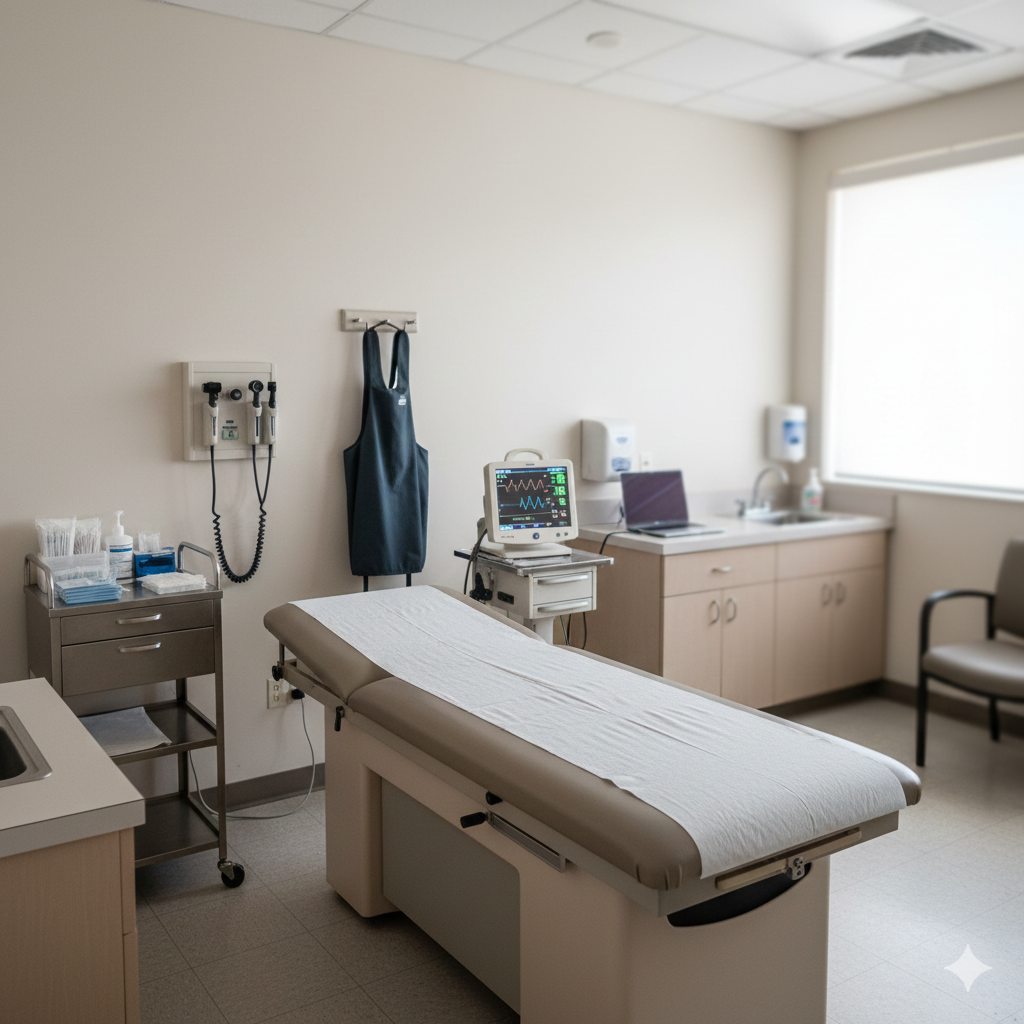
Urgent care clinics are staffed by licensed medical professionals who have completed the same rigorous education and training pipeline required of any practicing physician in the United States. The providers you see at an urgent care center in Honolulu are not “lesser” doctors. They are clinicians who chose to practice medicine in a walk-in, outpatient environment focused on non-life-threatening conditions.
Medical Degrees and Residency Training
Every physician working at an urgent care clinic holds either a Doctor of Medicine (MD) or Doctor of Osteopathic Medicine (DO) degree. Both degrees require four years of undergraduate education, four years of medical school, and a minimum of three years of supervised residency training in a clinical specialty.
MD and DO programs cover the same core medical sciences: anatomy, pharmacology, pathology, internal medicine, surgery, pediatrics, and emergency medicine. DO programs include additional training in osteopathic manipulative treatment, but both degrees lead to full, unrestricted medical licensure.
After medical school, these physicians complete residency programs in fields like family medicine, internal medicine, emergency medicine, or pediatrics. Residency is where doctors gain hands-on clinical experience treating real patients under supervision, typically logging thousands of patient encounters over three to seven years depending on the specialty.
The physicians practicing at urgent care clinics in Honolulu have completed this entire pathway. They are not students, trainees, or unlicensed practitioners. They are doctors who have met every state and federal requirement to diagnose and treat patients independently.
Board Certifications Held by Urgent Care Physicians
Most urgent care physicians hold board certification in at least one recognized medical specialty. Common certifications include family medicine (through the American Board of Family Medicine), internal medicine (through the American Board of Internal Medicine), and emergency medicine (through the American Board of Emergency Medicine).
Board certification requires passing a comprehensive examination after completing residency, and maintaining certification demands ongoing continuing medical education (CME) credits and periodic re-examination. This process ensures that urgent care doctors stay current with evolving medical standards, treatment protocols, and diagnostic practices.
Some urgent care physicians also pursue additional certification through the American Board of Urgent Care Medicine (ABUCM), which specifically validates expertise in the urgent care practice model. According to the Urgent Care Association, the urgent care industry has grown significantly, with thousands of board-certified physicians now practicing in this setting nationwide.
Board certification is not legally required to practice medicine, but it is a strong quality signal. It tells you the doctor voluntarily submitted to peer-reviewed evaluation beyond the minimum licensing requirements.
Physician Assistants and Nurse Practitioners in Urgent Care
Not every provider at an urgent care clinic is a physician. Many clinics also employ physician assistants (PAs) and nurse practitioners (NPs), both of whom are classified as advanced practice providers (APPs).
PAs complete a master’s degree program (typically 27 months) that follows a medical education model similar to physician training. They study pharmacology, clinical medicine, anatomy, and complete supervised clinical rotations. PAs are licensed to diagnose conditions, order tests, and prescribe medications in all 50 states.
NPs are registered nurses who have earned a master’s or doctoral degree in nursing with advanced clinical training. They specialize in areas like family practice, adult-gerontology, or pediatrics. NPs can independently diagnose, treat, and prescribe in Hawaii under the state’s full practice authority laws.
Both PAs and NPs work under established clinical protocols and, in many states, in collaboration with or under the supervision of a licensed physician. At quality urgent care clinics, a supervising physician is always available for consultation, complex cases, or procedures that require a doctor’s direct involvement.
The presence of PAs and NPs does not diminish the quality of care. It expands access. These providers handle a significant volume of straightforward urgent care visits, including sore throats, minor injuries, flu symptoms, and UTIs, allowing physicians to focus on more complex cases.
How Urgent Care Doctor Qualifications Compare to Other Physicians
One of the most persistent misconceptions about urgent care is that its doctors are somehow less qualified than physicians in other settings. This is not accurate. The difference between an urgent care doctor, a primary care physician, and an emergency room doctor is not about the quality of their training. It is about the scope and setting of their practice.
Urgent Care Doctors vs. Primary Care Physicians
Urgent care doctors and primary care physicians (PCPs) often share identical educational backgrounds. Many urgent care physicians are board-certified in family medicine or internal medicine, the same specialties held by most PCPs.
The key difference is the care model. A primary care physician manages your long-term health: annual physicals, chronic disease management, preventive screenings, and ongoing medication adjustments. You build a relationship with your PCP over years.
An urgent care doctor treats you for acute, episodic conditions when your PCP is unavailable or when you need same-day care. You might see an urgent care doctor for a sprained ankle on a Saturday, a sudden ear infection while visiting Honolulu, or a persistent cough that cannot wait until Monday.
The clinical knowledge required to treat these conditions is the same. An urgent care physician diagnosing strep throat uses the same rapid antigen test, the same clinical criteria, and the same antibiotic prescribing guidelines as your family doctor. The training is equivalent. The setting is different.
Urgent Care Doctors vs. Emergency Room Physicians
Emergency room physicians are typically board-certified in emergency medicine, a specialty focused on stabilizing life-threatening conditions: heart attacks, strokes, major trauma, severe allergic reactions, and acute surgical emergencies.
Urgent care doctors treat non-life-threatening conditions that still require prompt attention. Think of it as a spectrum. A broken finger goes to urgent care. A crushed hand with arterial bleeding goes to the ER.
Some urgent care physicians are actually board-certified in emergency medicine and have transitioned from ER practice to urgent care. They bring the same diagnostic instincts and clinical training but apply them in a lower-acuity environment.
The practical difference for patients in Honolulu is significant. An ER visit for a minor condition can cost several times more than the same treatment at urgent care, often with longer wait times. According to the American College of Emergency Physicians, emergency departments are designed for true emergencies, and many patients presenting with non-emergency conditions could receive faster, more cost-effective care at an urgent care clinic.
Choosing urgent care for the right conditions does not mean accepting lower-quality care. It means matching the level of medical response to the severity of your condition.
Why Some Urgent Care Providers Choose This Specialty
Physicians choose urgent care for specific professional reasons. The practice model offers clinical variety, since providers see dozens of different conditions each day, from lacerations and fractures to respiratory infections and skin rashes. It also offers a more predictable schedule compared to hospital-based specialties, which often require overnight shifts and on-call rotations.
Many urgent care physicians are drawn to the direct patient interaction and the ability to resolve problems in a single visit. There is a satisfaction in diagnosing a condition, providing treatment, and sending a patient home feeling better, all within one appointment.
For patients, this means the doctor treating you at urgent care is not there because they could not get a position elsewhere. They are there because they chose a practice model that aligns with their clinical interests and professional goals.
What Can Urgent Care Doctors Diagnose and Treat?
Urgent care doctors are trained to handle a broad range of non-life-threatening medical conditions. The scope of practice at a well-equipped urgent care clinic is wider than many patients expect. These are not limited-service facilities. They are outpatient medical centers capable of diagnosing, treating, and managing acute conditions that would otherwise require an ER visit or a delayed appointment with a primary care doctor.
Common Conditions Treated at Urgent Care in Honolulu
Urgent care clinics in Honolulu routinely treat conditions that affect both residents and visitors. Common reasons patients walk in include:
- Respiratory infections: Cold, flu, COVID-19, bronchitis, sinus infections, sore throat, strep throat
- Ear, nose, and throat issues: Ear infections, swimmer’s ear, allergies, nosebleeds
- Minor injuries: Sprains, strains, minor fractures, cuts requiring stitches, burns, insect bites
- Skin conditions: Rashes, sunburn, minor allergic reactions, skin infections, abscesses
- Urinary tract infections (UTIs): Diagnosis and antibiotic treatment
- Gastrointestinal issues: Nausea, vomiting, diarrhea, dehydration, mild food poisoning
- Eye conditions: Pink eye (conjunctivitis), minor eye irritation, foreign body removal
- Musculoskeletal pain: Back pain, joint pain, sports injuries
- Travel-related illness: Infections, dehydration, and injuries common among visitors to Hawaii
For tourists and visitors to Honolulu who do not have a local primary care doctor, urgent care serves as the most practical and cost-effective option for non-emergency medical needs.
Diagnostic Tools and Testing Available On-Site
Modern urgent care clinics are equipped with diagnostic technology that allows doctors to evaluate and treat conditions during a single visit. Available services typically include:
- X-ray imaging for fractures, dislocations, and chest conditions
- Rapid strep tests and flu tests for same-visit diagnosis
- COVID-19 testing (rapid antigen and PCR)
- Urinalysis for UTIs and kidney issues
- Basic blood work including CBC, metabolic panels, and glucose testing
- EKG/ECG for heart rhythm screening
- Wound care supplies for suturing, splinting, and wound irrigation
- Nebulizer treatments for asthma and respiratory distress
This on-site capability means your urgent care doctor can diagnose your condition, confirm it with testing, and begin treatment immediately, without sending you to a separate lab or imaging center.
When Urgent Care Doctors Refer You to a Specialist or ER
Urgent care doctors are trained to recognize when a condition exceeds the scope of outpatient care. Part of being a qualified physician is knowing when to refer.
You should go directly to an emergency room (not urgent care) for:
- Chest pain or signs of a heart attack
- Difficulty breathing or severe shortness of breath
- Stroke symptoms (sudden numbness, confusion, difficulty speaking)
- Severe abdominal pain
- Heavy or uncontrolled bleeding
- Head injuries with loss of consciousness
- High fever in infants under 3 months
- Severe allergic reactions (anaphylaxis)
- Broken bones with visible deformity or exposed bone
If you arrive at urgent care with a condition that requires emergency intervention, the medical team will stabilize you and arrange immediate transfer to the nearest emergency department. This is standard protocol and a sign of responsible, patient-centered care.
For conditions that are not emergencies but require specialist follow-up, such as a suspicious mole, a recurring joint problem, or abnormal lab results, your urgent care doctor will provide a referral and documentation to help you continue care with the appropriate specialist.
How to Verify an Urgent Care Doctor’s Credentials
Trusting your healthcare provider starts with knowing their qualifications are legitimate. You have every right to verify the credentials of any doctor or advanced practice provider before or after your visit. The process is straightforward and free.
State Licensing and Board Certification Lookup
Every licensed physician in Hawaii is registered with the Hawaii Department of Commerce and Consumer Affairs (DCCA), which maintains a public database of licensed medical professionals. You can search by name to confirm that a provider holds an active, unrestricted medical license in the state.
For board certification verification, the American Board of Medical Specialties (ABMS) offers a free online tool called “Is Your Doctor Board Certified?” that allows you to search any physician’s certification status, specialty, and certification history.
These two checks take less than five minutes and give you objective confirmation that your urgent care doctor has met all educational, training, and licensing requirements.
Questions to Ask Before Your Visit
If you want additional reassurance, you can ask the clinic directly:
- What are the qualifications of the providers on staff today?
- Are your physicians board-certified, and in which specialties?
- Do you have a supervising physician available when PAs or NPs are treating patients?
- How many years of clinical experience do your providers have?
- Is the clinic accredited by the Urgent Care Association or a similar body?
Reputable urgent care clinics welcome these questions. Transparency about provider credentials is a sign of a well-run practice that prioritizes patient trust.
Why Honolulu Residents and Visitors Trust Urgent Care for Quality Medical Treatment
Urgent care has become a critical part of the healthcare landscape in Honolulu. The combination of a large resident population, a steady flow of tourists, and limited same-day availability at many primary care offices creates consistent demand for accessible, walk-in medical services.
Transparent Pricing and Insurance Guidance
One of the biggest concerns patients have, beyond the quality of care, is cost. Urgent care clinics that prioritize transparent pricing help patients make informed decisions before they walk through the door.
At a quality urgent care clinic, you should be able to get clear information about:
- The base cost of a standard visit
- Additional fees for X-rays, lab tests, or procedures
- Which insurance plans are accepted
- Self-pay and cash-pay pricing for uninsured patients or visitors
- What to expect on your bill after the visit
This level of transparency is especially important for travelers visiting Honolulu who may be using out-of-network insurance or paying out of pocket. Knowing the cost upfront eliminates the financial anxiety that often accompanies unexpected medical visits.
Compared to the emergency room, where bills can arrive weeks later with charges that are difficult to predict or understand, urgent care offers a more straightforward financial experience. Most urgent care visits cost a fraction of an equivalent ER visit for the same condition.
Experienced Providers at Honolulu Urgent Care Clinic
At Honolulu Urgent Care Clinic, patients are treated by licensed, experienced medical professionals who are committed to delivering high-quality care in a welcoming, efficient environment. Our providers hold active medical licenses in Hawaii and maintain board certifications in their respective specialties.
We combine clinical expertise with a patient-first approach. That means clear communication about your diagnosis, your treatment options, and your costs. Whether you are a Honolulu resident dealing with a sudden illness, a visitor who needs care away from home, or a parent bringing in a child with a minor injury, you will be treated by a real doctor or qualified advanced practice provider who takes your health seriously.
Our clinic is equipped with on-site X-ray, rapid testing, and the diagnostic tools needed to evaluate and treat your condition in a single visit, without the wait times or costs associated with an emergency room.
Conclusion
Urgent care doctors are real, licensed physicians with medical degrees, completed residencies, and board certifications. They are qualified to diagnose and treat a wide range of non-life-threatening conditions, from infections and injuries to diagnostic testing and referrals. The care you receive at a reputable urgent care clinic meets the same medical standards as any other outpatient setting.
For residents and visitors in Honolulu, understanding this distinction can save time, money, and unnecessary stress. Choosing urgent care for the right conditions means faster treatment, lower costs, and access to qualified providers without the unpredictability of an emergency room visit.
At Honolulu Urgent Care Clinic, we are here to provide the quality medical care you need with full transparency, experienced providers, and a commitment to your well-being. Walk in or contact us today to experience trusted, patient-centered urgent care.
Frequently Asked Questions
Are urgent care doctors licensed to practice medicine?
Yes. Urgent care doctors hold either an MD or DO degree and are fully licensed by the state where they practice. In Hawaii, all physicians must maintain an active license through the Department of Commerce and Consumer Affairs. They have completed medical school and residency training, just like any other practicing physician.
What is the difference between an urgent care doctor and an ER doctor?
Both are licensed physicians, but they practice in different settings. ER doctors specialize in life-threatening emergencies like heart attacks, strokes, and major trauma. Urgent care doctors treat non-life-threatening conditions such as infections, minor fractures, and cuts. The training is comparable, but the scope and cost of care differ significantly.
Can urgent care doctors prescribe medication?
Yes. Urgent care physicians, as well as physician assistants and nurse practitioners on staff, are licensed to prescribe medications including antibiotics, pain relievers, anti-inflammatory drugs, and other treatments appropriate for the conditions they diagnose. Prescriptions can typically be sent directly to your preferred pharmacy.
Is it safe to take my child to urgent care instead of a pediatrician?
For acute, non-emergency conditions like ear infections, fevers, minor injuries, or rashes, urgent care is a safe and appropriate option. Many urgent care providers have training in family medicine or pediatrics. For ongoing developmental care, vaccinations, and well-child visits, a pediatrician remains the best choice.
Do urgent care clinics in Honolulu accept insurance?
Most urgent care clinics in Honolulu accept a range of insurance plans, including major carriers common in Hawaii. It is always a good idea to call ahead or check the clinic’s website to confirm your specific plan is accepted. Self-pay and cash-pay options are also typically available for uninsured patients and visitors.
How much does an urgent care visit cost compared to the ER?
Urgent care visits generally cost significantly less than emergency room visits for comparable conditions. While ER bills for non-emergency conditions can reach hundreds or even thousands of dollars, an urgent care visit for the same issue is typically a fraction of that cost. Exact pricing depends on the condition, tests needed, and your insurance coverage.
How can I check if an urgent care doctor is board-certified?
You can verify any physician’s board certification for free through the American Board of Medical Specialties (ABMS) online verification tool. You can also confirm a doctor’s active state license through the Hawaii DCCA licensing database. Both searches take just a few minutes and are open to the public.