Yes, urgent care clinics can legally refuse to treat you in certain situations, but the reasons are more limited than most people assume. Unlike hospital emergency rooms, urgent care centers are not bound by the same federal mandate requiring them to treat every person who walks through the door. That distinction matters when you need care quickly and want to avoid surprises.
Whether you are a Honolulu resident, a visitor on vacation, or a parent seeking after-hours care for a child, understanding when and why an urgent care clinic might decline treatment helps you plan ahead and get the right care faster. This guide covers your legal rights, the most common reasons for refusal, insurance and payment considerations, what to do if you are turned away, and how to choose a clinic in Honolulu that prioritizes transparency and patient access.
Understanding Your Right to Urgent Care Treatment
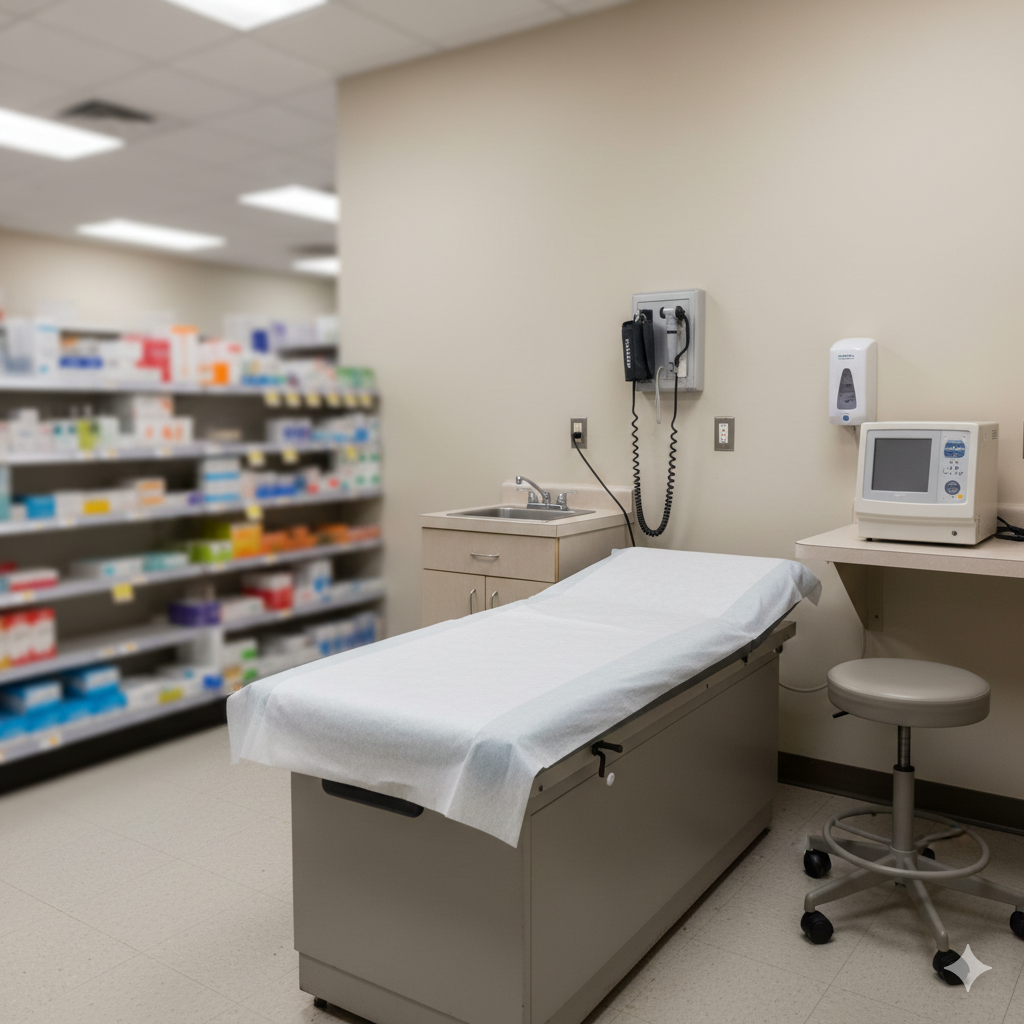
Patient rights at urgent care clinics are frequently misunderstood. Many people assume the same rules that govern hospital emergency departments also apply to freestanding urgent care centers. The legal reality is different, and knowing the distinction protects you from confusion when you need medical attention.
What Federal and State Laws Say About Urgent Care Access
The most important federal law governing emergency medical access is the Emergency Medical Treatment and Labor Act, commonly known as EMTALA. Enacted in 1986, EMTALA requires Medicare-participating hospitals with emergency departments to provide a medical screening examination and stabilizing treatment to anyone who arrives, regardless of their ability to pay or insurance status.
However, most freestanding urgent care clinics are not classified as hospital emergency departments. That means EMTALA typically does not apply to them. Urgent care centers operate as outpatient medical facilities, and their obligation to treat patients is governed primarily by state licensing regulations, anti-discrimination laws, and their own internal policies.
In Hawaii, healthcare providers are expected to follow general anti-discrimination statutes. A clinic cannot refuse you based on race, ethnicity, gender, religion, disability, or other protected characteristics. Beyond those protections, an urgent care center generally has more discretion than an ER about which patients it accepts and which conditions it treats.
How Urgent Care Differs From Emergency Rooms Under EMTALA
The core difference is straightforward. Emergency rooms attached to hospitals that accept Medicare must screen and stabilize every patient. Urgent care clinics, operating independently, are not held to that same federal standard.
This does not mean urgent care clinics routinely turn people away. Most clinics are built around accessibility and want to see as many patients as possible. But it does mean that if an urgent care center determines your condition is outside its scope, or if operational factors prevent safe treatment, the clinic has legal grounds to decline or redirect you. Understanding this distinction helps set realistic expectations before you walk in.
When Can Urgent Care Legally Refuse to Treat You?
There are several legitimate, legally defensible reasons an urgent care clinic may decline to provide treatment. None of these reasons are arbitrary. They are rooted in patient safety, clinical scope, and operational reality.
Conditions That Fall Outside Urgent Care Scope
Urgent care clinics are designed to treat non-life-threatening conditions. They handle issues like minor fractures, sprains, infections, flu symptoms, cuts requiring stitches, mild allergic reactions, and similar acute but manageable problems.
Conditions that typically fall outside urgent care scope include:
- Chest pain or symptoms of a heart attack
- Signs of stroke such as sudden numbness, confusion, or difficulty speaking
- Severe abdominal pain suggesting appendicitis or internal bleeding
- Major trauma from car accidents or serious falls
- Difficulty breathing that does not respond to basic intervention
- Severe burns covering large areas of the body
- Psychiatric emergencies involving active danger to self or others
If you present with any of these symptoms, an urgent care clinic is not refusing you out of indifference. It is recognizing that you need a higher level of care, including advanced imaging, surgical capability, or intensive monitoring, that only a hospital emergency department can provide. Redirecting you in this situation is a patient safety decision.
Capacity and Staffing Limitations
Urgent care clinics operate with finite staff and resources. If a clinic is at full capacity, experiencing an unusually high patient volume, or has a provider who has reached the end of a shift with no replacement, it may temporarily stop accepting new patients.
This is more common during flu season, after natural disasters, or during periods of high tourist activity in areas like Honolulu. A capacity-based refusal is not permanent. It usually means the clinic cannot safely see additional patients at that specific moment.
Behavioral or Safety Concerns
Clinics have the right to refuse service if a patient’s behavior threatens the safety of staff or other patients. Verbal abuse, physical aggression, intoxication that prevents safe examination, or refusal to follow basic clinic protocols can all lead to a provider declining to continue or initiate treatment.
These situations are rare, but clinics must maintain a safe environment for everyone present. If a patient is asked to leave for behavioral reasons, the clinic will typically recommend an alternative care location, especially if the behavior may be related to an underlying medical condition.
Can Urgent Care Turn You Away for Not Having Insurance?
No, most urgent care clinics will not refuse to see you simply because you lack insurance. Urgent care centers routinely treat uninsured and self-pay patients. In fact, serving patients who may not have a primary care physician or current insurance coverage is a core part of the urgent care model.
Self-Pay and Uninsured Patient Policies
The majority of urgent care clinics offer self-pay rates for patients without insurance. These rates are typically posted or available upon request. A standard urgent care visit for a straightforward condition often costs significantly less than an emergency room visit for the same issue.
The Urgent Care Association’s 2023 benchmarking report indicates that the average urgent care visit costs between $100 and $250 for common conditions, compared to ER visits that frequently exceed $1,000 even for non-emergency problems. For uninsured patients in Honolulu, knowing this price difference can save hundreds or even thousands of dollars.
Some clinics also offer payment plans or sliding-scale fees. It is always worth calling ahead to ask about self-pay pricing and payment options before your visit.
Insurance Verification and Out-of-Network Situations
Having insurance does not guarantee seamless coverage at every urgent care clinic. If your plan does not include a particular clinic in its network, you may face higher out-of-pocket costs. Some clinics may inform you of this before treatment so you can make an informed decision.
However, being out-of-network is not the same as being refused. Most clinics will still treat you and let you handle the insurance reimbursement process afterward. The key is to ask upfront. Call the clinic, provide your insurance information, and confirm whether they participate in your plan. For visitors to Honolulu using mainland insurance plans or travel insurance, this step is especially important.
Can Urgent Care Refuse You Based on Inability to Pay?
This is one of the most common concerns patients have, and the answer depends on the clinic’s individual policy rather than a blanket legal requirement.
Payment Policies at Most Urgent Care Clinics
Because EMTALA generally does not apply to freestanding urgent care centers, there is no federal law requiring them to treat patients who cannot pay. In practice, however, most urgent care clinics will see you even if payment is uncertain. Many collect a copay or self-pay fee at the time of service but will still provide treatment if you cannot pay the full amount upfront.
Some clinics require payment before or at the time of the visit. Others bill after the visit. Policies vary, and the best approach is to ask directly before arriving. Transparency about payment expectations protects both the patient and the clinic.
Transparent Pricing and What to Expect in Honolulu
In Honolulu, the cost of living and healthcare expenses can be higher than the national average. Knowing what an urgent care visit costs before you go eliminates one of the biggest sources of patient anxiety.
Clinics that practice transparent pricing will tell you the cost of common services, whether they accept your insurance, and what your estimated out-of-pocket expense will be. This is especially valuable for travelers and visitors who may not be familiar with local healthcare costs. A clinic that openly shares pricing information signals that it values patient trust over billing surprises.
Reasons Urgent Care May Redirect You to the Emergency Room
Being redirected to the ER is not the same as being refused care. It is a clinical judgment that your condition requires resources beyond what the urgent care setting can safely provide.
Life-Threatening Symptoms That Require ER Care
Urgent care providers are trained to recognize warning signs that indicate a medical emergency. If you arrive at an urgent care clinic with any of the following, expect to be directed to the nearest emergency department:
- Chest pain, pressure, or tightness
- Sudden severe headache unlike any you have experienced before
- Uncontrolled bleeding
- Loss of consciousness or altered mental status
- High fever in infants under three months old
- Signs of anaphylaxis such as throat swelling and difficulty breathing
- Suspected poisoning or overdose
- Compound fractures where bone is visible
In these cases, the urgent care team may call 911 on your behalf or help stabilize you while emergency transport is arranged. This is the clinic acting in your best interest, not turning you away.
Diagnostic Limitations at Urgent Care Facilities
Even when a condition is not immediately life-threatening, some diagnoses require equipment that urgent care clinics do not have. Most urgent care centers offer basic X-rays and rapid lab tests, but they typically lack CT scanners, MRI machines, ultrasound for complex imaging, and the ability to perform surgery.
If a provider suspects a condition that requires advanced imaging or specialist evaluation, such as a possible kidney stone, deep vein thrombosis, or complex abdominal issue, they will refer you to a facility with the appropriate diagnostic tools. This referral is a responsible clinical decision, not a refusal of care.
What to Do If an Urgent Care Clinic Refuses to See You
If you are turned away from an urgent care clinic and believe the refusal was unjustified, you have options. Staying calm and taking specific steps protects your health and your rights.
Steps to Take Immediately
- Ask for the specific reason. You have the right to know why you are being refused. Is it a scope-of-practice issue, a capacity problem, an insurance matter, or something else? Get a clear answer.
- Request documentation. Ask the clinic to note the refusal and the reason in writing, or document it yourself with the date, time, clinic name, and staff member you spoke with.
- Ask for an alternative recommendation. A responsible clinic will suggest where you can receive care, whether that is another urgent care center, a primary care office, or the emergency room.
- Seek care elsewhere immediately if your symptoms are worsening. Do not delay treatment to resolve a dispute. Your health comes first.
- Contact your insurance company. If the refusal was insurance-related, your insurer may be able to direct you to an in-network provider or authorize out-of-network coverage.
How to File a Complaint or Seek Alternative Care
If you believe you were refused care based on discrimination or in violation of state regulations, you can file a complaint with the Hawaii State Department of Commerce and Consumer Affairs, which oversees professional licensing, or contact the Office for Civil Rights at the U.S. Department of Health and Human Services.
For non-emergency situations, consider calling ahead to other urgent care clinics in Honolulu to confirm they can see you, accept your insurance or self-pay arrangement, and treat your specific condition. A quick phone call can save significant time and frustration.
How to Prepare for an Urgent Care Visit in Honolulu
A small amount of preparation before your visit reduces the chance of delays, billing confusion, or being redirected unnecessarily.
Documents and Information to Bring
- Government-issued photo ID (driver’s license, passport, or state ID)
- Insurance card (front and back) or your policy number and group number
- List of current medications, including dosages
- List of known allergies
- Brief description of your symptoms and when they started
- Payment method (credit card, debit card, or cash for copay or self-pay fee)
- Contact information for your primary care physician, if you have one
For visitors and tourists, bringing travel insurance documentation and a phone number for your insurance company’s out-of-area support line is helpful.
Questions to Ask Before Your Visit
Calling the clinic before you arrive can prevent most problems. Ask:
- Do you accept my insurance plan?
- What is the self-pay cost for a standard visit?
- Are you currently accepting walk-in patients?
- Can you treat my specific condition (describe your symptoms briefly)?
- What forms of payment do you accept?
- What is the current estimated wait time?
These questions take less than five minutes and give you confidence that the visit will go smoothly.
Choosing an Urgent Care Clinic That Puts Patients First
Not all urgent care clinics operate the same way. The difference between a frustrating experience and a reassuring one often comes down to how a clinic communicates with patients before, during, and after the visit.
What Transparent and Patient-Centered Care Looks Like
A patient-centered urgent care clinic does several things consistently:
- Posts pricing information clearly, either on its website or at the front desk, so patients know costs before treatment begins.
- Accepts a broad range of insurance plans and helps patients understand their coverage and estimated out-of-pocket costs.
- Welcomes self-pay and uninsured patients without judgment or barriers.
- Communicates wait times honestly so patients can plan accordingly.
- Explains the treatment plan in plain language, including what tests are being ordered and why.
- Provides follow-up instructions and helps coordinate care with primary care physicians or specialists when needed.
These are not luxuries. They are the baseline of what patients deserve when seeking medical care.
Why Honolulu Residents and Visitors Trust Local Urgent Care
Honolulu’s unique position as both a major residential community and a global tourist destination means local urgent care clinics serve a diverse patient population. Residents need reliable, affordable access to care for everyday injuries and illnesses. Visitors need a clinic that can see them quickly, explain costs upfront, and coordinate with out-of-state or international insurance when possible.
Clinics that have built trust in Honolulu do so by combining clinical quality with genuine transparency. They treat every patient, whether a long-time local or a first-time visitor, with the same standard of clear communication and compassionate care. When you choose a clinic that values these principles, the question of whether urgent care can refuse you becomes far less of a concern.
Conclusion
Urgent care clinics can legally refuse treatment in specific circumstances, including conditions beyond their clinical scope, capacity limitations, safety concerns, and certain payment situations. However, most refusals are rooted in patient safety rather than unwillingness to help, and understanding your rights empowers you to navigate these situations confidently.
For residents, families, and visitors in Honolulu, choosing an urgent care provider that prioritizes transparent pricing, clear communication, and broad patient access makes all the difference. Knowing what to expect before you walk in, from costs to coverage to the types of conditions treated, eliminates uncertainty and helps you get timely, appropriate care.
We believe every patient deserves honest answers and quality treatment without unnecessary stress. At Honolulu Urgent Care Clinic, we are committed to seeing you promptly, explaining your costs upfront, and providing the compassionate, efficient care you need. Contact us or walk in today and experience urgent care built around you.
Frequently Asked Questions
Can urgent care refuse to treat you if you don’t have an appointment?
No. The vast majority of urgent care clinics operate on a walk-in basis and do not require appointments. You may experience a wait during busy periods, but not having an appointment is not a valid reason for refusal.
Will urgent care see you without a valid ID?
Most clinics prefer a government-issued ID for registration and insurance verification, but lacking an ID does not automatically disqualify you from receiving care. The clinic may ask for alternative identification or have you complete additional paperwork. Call ahead to confirm the specific clinic’s policy.
Can urgent care refuse a minor without a parent present?
Policies vary by state and clinic. In Hawaii, minors generally need a parent or legal guardian present to consent to treatment. Some clinics may accept written consent or phone authorization from a parent. For non-emergency situations, having a guardian present or reachable by phone is the safest approach.
Does urgent care have to treat you if you can’t pay upfront?
There is no federal law requiring freestanding urgent care clinics to treat patients who cannot pay. However, many clinics will still provide care and offer payment plans or bill you after the visit. Ask about payment options before your appointment to avoid surprises.
Can urgent care turn you away for a workers’ compensation injury?
Some urgent care clinics are not authorized to treat workers’ compensation cases, which require specific documentation and billing procedures. If your injury is work-related, call ahead to confirm the clinic handles workers’ comp claims. If they do not, they should direct you to an authorized provider.
What happens if urgent care says your condition is too serious?
If a provider determines your condition requires emergency-level care, they will recommend you go to the nearest emergency room. In serious cases, the clinic may call 911 or help stabilize you until paramedics arrive. This is a safety-based clinical decision, not a refusal of care.
Is urgent care required to treat tourists and visitors in Honolulu?
Urgent care clinics in Honolulu regularly treat tourists and visitors. There is no legal distinction between residents and visitors when it comes to accessing urgent care. You may need to pay as a self-pay patient if your insurance is not accepted, but clinics will not refuse you solely because you are from out of state or out of the country.