Yes, you can walk into a CVS MinuteClinic without health insurance. MinuteClinic accepts self-pay patients for most services, with visit costs typically ranging from $99 to $199 depending on the type of care you need.
For Honolulu residents, visitors, and families weighing healthcare options, understanding exactly what you will pay out of pocket removes the stress of unexpected medical bills.
This guide breaks down MinuteClinic pricing for uninsured patients, compares costs against urgent care and emergency rooms, and explains when a dedicated urgent care clinic may offer better value.
What Is CVS MinuteClinic and How Does It Work?
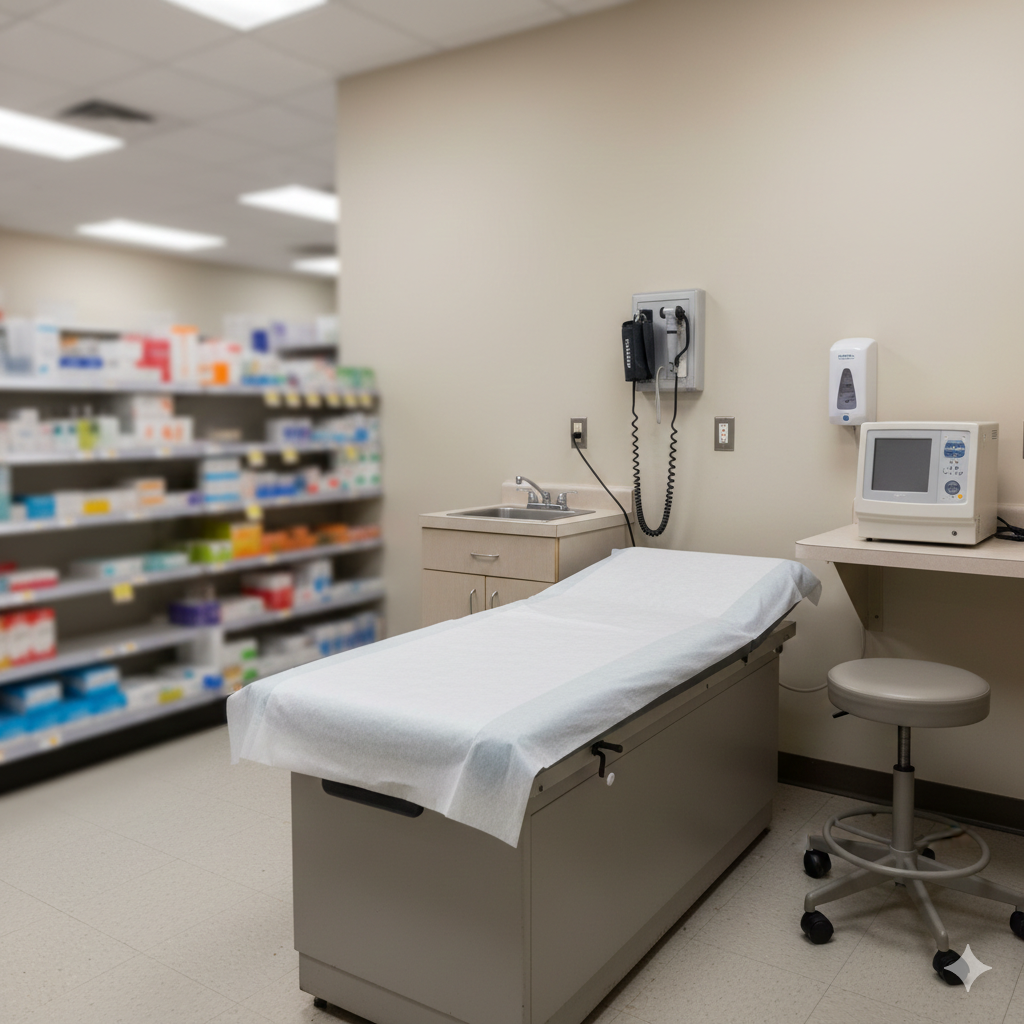
CVS MinuteClinic is a retail health clinic located inside select CVS Pharmacy stores. Staffed by nurse practitioners and physician assistants, these walk-in clinics provide basic medical services without requiring an appointment. Patients check in at a kiosk or online, wait for an available provider, and receive treatment for straightforward health concerns in roughly 15 to 30 minutes.
MinuteClinic operates on a walk-in model designed for convenience. There is no primary care physician on staff. The clinics handle a defined scope of services and refer patients elsewhere when conditions exceed that scope. For people without a regular doctor or those who need quick care while traveling, this model fills a specific gap.
Services Offered at CVS MinuteClinic
MinuteClinic provides treatment for a focused set of minor conditions and preventive health needs. Common services include:
- Minor illness treatment: Cold, flu, sore throat, sinus infections, ear infections, pink eye, urinary tract infections
- Minor injury care: Sprains, minor burns, tick removal, wound care (limited)
- Skin conditions: Rashes, poison ivy, minor acne consultations
- Screenings and monitoring: Blood pressure checks, cholesterol screening, diabetes monitoring, TB testing
- Vaccinations: Flu shots, COVID-19 vaccines, travel immunizations, hepatitis B, shingles
- Wellness exams: Sports physicals, camp physicals, DOT physicals (at select locations)
The service menu is narrower than what a full urgent care clinic offers. MinuteClinic does not perform X-rays, set fractures, suture deep lacerations, or manage complex conditions. If your health concern falls outside their scope, the provider will refer you to an urgent care center or emergency room.
How CVS MinuteClinic Differs From Urgent Care and Emergency Rooms
The distinction matters, especially when you are paying out of pocket. MinuteClinic, urgent care clinics, and emergency rooms serve different levels of medical need, and the cost differences are significant.
MinuteClinic handles the simplest tier of walk-in care. Think of it as a step above a telehealth visit but well below a full medical facility. You will see a nurse practitioner, not a physician. Diagnostic tools are limited to basic point-of-care tests like rapid strep or flu swabs.
Urgent care clinics treat a broader range of non-life-threatening conditions. They are staffed by physicians or advanced practice providers, equipped with X-ray machines, on-site labs, and the ability to handle moderate injuries like fractures, deep cuts requiring stitches, and abdominal pain. Urgent care bridges the gap between a retail clinic and the emergency room.
Emergency rooms are reserved for life-threatening or severe conditions: chest pain, difficulty breathing, head trauma, stroke symptoms, or uncontrolled bleeding. ER visits without insurance in Honolulu can easily exceed $2,000 for even basic evaluations.
Choosing the right level of care saves money and gets you treated faster.
Can You Visit CVS MinuteClinic Without Insurance?
Yes. CVS MinuteClinic does not require health insurance for any visit. Uninsured patients are welcome to walk in, receive care, and pay the posted self-pay rate at the time of service. No referral is needed. No insurance card is needed.
MinuteClinic posts its pricing online and at each location, so you can review costs before you commit to a visit. This transparency is one of the main reasons uninsured patients choose retail clinics for basic healthcare needs.
Self-Pay Pricing at CVS MinuteClinic
Self-pay patients at MinuteClinic pay a flat fee based on the service category, not the diagnosis. This means you know the price range before you walk through the door.
According to CVS MinuteClinic’s published pricing page, typical self-pay costs fall into these ranges:
- Minor illness visits: $99 to $149
- Minor injury evaluation: $99 to $149
- Skin condition assessment: $99 to $149
- Wellness and screening visits: $59 to $99
- Vaccinations: $50 to $250+ depending on the vaccine
- Physical exams (sports, camp): $69 to $99
These prices do not include prescriptions. If the provider writes a prescription, you will pay separately at the pharmacy counter. Generic medications are often affordable, but brand-name drugs can add significant cost.
What to Expect as an Uninsured Patient
The visit process is the same whether you have insurance or not. You check in, provide your contact information, describe your symptoms, and wait to see a provider. The main difference is payment. Without insurance, you pay the full self-pay rate at checkout.
MinuteClinic accepts cash, debit cards, credit cards, and HSA/FSA cards. Payment is expected at the time of service. You will receive an itemized receipt that you can submit to your insurance company later if you obtain coverage retroactively, or keep for your personal health records.
There is no surprise billing at MinuteClinic. The price you see listed is the price you pay for the visit itself. However, any additional tests ordered during the visit, such as lab work sent to an outside laboratory, may generate a separate bill.
How Much Does a CVS MinuteClinic Visit Cost Without Insurance?
Cost is the primary concern for uninsured patients, and MinuteClinic’s pricing model is more predictable than most healthcare settings. But the total cost of a visit can vary depending on what services you actually receive.
Common Visit Costs and Service Price Ranges
Here is a realistic breakdown of what uninsured patients typically pay for the most common MinuteClinic visits:
| Service | Estimated Self-Pay Cost |
| Strep throat test and treatment | $99 to $129 |
| Flu diagnosis and treatment | $99 to $129 |
| Sinus infection visit | $99 to $129 |
| UTI diagnosis and treatment | $99 to $129 |
| Ear infection evaluation | $99 to $129 |
| Pink eye treatment | $99 to $129 |
| Flu shot | $50 to $75 |
| COVID-19 vaccine | $0 (federally funded, when available) |
| Sports physical | $69 to $99 |
| Blood pressure screening | $59 to $79 |
| Cholesterol screening | $59 to $99 |
| TB test | $35 to $59 |
These figures reflect published MinuteClinic pricing and may vary slightly by location. Honolulu-area CVS stores follow national pricing with minor regional adjustments.
Additional Costs for Lab Work, Prescriptions, and Vaccines
The visit fee covers the provider consultation and any rapid point-of-care tests performed in the clinic, such as a rapid strep swab. However, several common add-ons carry separate charges:
Lab work sent to outside laboratories. If the provider orders a culture, blood panel, or other test processed by a reference lab like Quest Diagnostics or LabCorp, you will receive a separate bill from that lab. Without insurance, a basic metabolic panel can cost $50 to $150. A comprehensive panel may run $100 to $300.
Prescriptions. MinuteClinic providers can prescribe medications, but the prescription cost is separate. Using the CVS pharmacy attached to the clinic is convenient, and generic antibiotics often cost $4 to $25. Brand-name medications or specialty drugs cost significantly more. Ask the provider about generic alternatives.
Vaccines with higher base costs. While a standard flu shot is relatively affordable, travel vaccines like typhoid, Japanese encephalitis, or yellow fever can cost $150 to $350 per dose. Shingles vaccine (Shingrix) runs approximately $150 to $200 per dose without insurance, and it requires two doses.
Always ask the provider for a complete cost estimate before agreeing to additional tests or vaccines.
CVS MinuteClinic vs. Urgent Care Without Insurance in Honolulu
Honolulu residents and visitors without insurance face a practical decision: use a retail clinic like MinuteClinic for basic needs, or visit an urgent care clinic for broader medical capability. The right choice depends on your condition, your budget, and how quickly you need care.
Cost Comparison: MinuteClinic, Urgent Care, and the ER
| Care Setting | Typical Self-Pay Cost (No Insurance) | Services Available | Wait Time |
| CVS MinuteClinic | $99 to $149 per visit | Minor illness, vaccines, screenings | 15 to 45 minutes |
| Urgent Care Clinic | $150 to $350 per visit | Minor to moderate illness/injury, X-rays, stitches, labs | 30 to 90 minutes |
| Emergency Room | $1,500 to $3,000+ per visit | All conditions including life-threatening | 2 to 6+ hours |
The cost gap between MinuteClinic and urgent care is relatively small, often $50 to $150. But the capability gap is significant. If your condition might require an X-ray, stitches, or a physician’s evaluation, starting at urgent care avoids the cost and delay of being referred from MinuteClinic to another facility.
Emergency rooms should be reserved for genuine emergencies. An ER visit for a condition that urgent care could handle wastes hours and costs ten times more.
When Urgent Care Is a Better Option Than MinuteClinic
MinuteClinic works well for straightforward, low-acuity conditions. But several common situations call for urgent care instead:
- Suspected fractures or sprains that need X-ray imaging
- Cuts requiring stitches (MinuteClinic does not suture wounds)
- Moderate abdominal pain that needs a physical exam by a physician
- Persistent high fever that has not responded to over-the-counter treatment
- Allergic reactions beyond mild hives
- Eye injuries or foreign body removal
- Infections that may need IV fluids or injectable medications
- Pediatric concerns where a physician evaluation provides greater reassurance
If you are unsure whether your condition fits MinuteClinic’s scope, calling ahead saves time. Many urgent care clinics in Honolulu also offer transparent self-pay pricing, so cost should not be the barrier to getting the right level of care.
How to Save Money at CVS MinuteClinic Without Insurance
Paying out of pocket does not mean you have no options for reducing costs. Several strategies can lower your total bill at MinuteClinic.
Discount Programs and CVS CarePass Benefits
CVS CarePass is a membership program that costs $5 per month or $48 per year. Members receive a $10 monthly promotional reward, free 1-to-2-day delivery on CVS.com orders, and a 20% discount on CVS Health brand products. While CarePass does not directly discount MinuteClinic visit fees, the $10 monthly reward can offset prescription costs or over-the-counter medication purchases after your visit.
CVS ExtraCare is a free loyalty program. It does not reduce MinuteClinic pricing, but it earns ExtraBucks rewards on pharmacy and store purchases that can be applied to future healthcare-related buys.
GoodRx and prescription discount cards. If the MinuteClinic provider prescribes medication, using a free discount card from GoodRx can reduce pharmacy costs by 20% to 80% on many generic drugs. This is one of the most effective ways uninsured patients save money on the prescription portion of their visit.
Tips for Reducing Out-of-Pocket Healthcare Costs
Beyond discount programs, these practical steps help uninsured patients manage healthcare spending:
Ask about the full cost before your visit. Check MinuteClinic’s online pricing tool or call the specific CVS location. Knowing the price range prevents surprises.
Request generic prescriptions. Tell the provider you are paying out of pocket and prefer the most affordable medication option. Most common infections and minor conditions respond well to inexpensive generics.
Combine services when possible. If you need a flu shot and a screening, doing both in one visit may be more efficient than scheduling separately.
Compare prices across care settings. In some cases, a Honolulu urgent care clinic with transparent self-pay pricing may offer comparable or better value, especially if your condition requires diagnostics that MinuteClinic cannot provide.
Keep your receipt. If you later obtain insurance or qualify for a health savings account, your itemized receipt may be eligible for reimbursement.
Insurance Options and Financial Assistance for Uninsured Patients in Honolulu
Being uninsured does not have to be permanent. Honolulu residents have access to several programs that can reduce or eliminate healthcare costs.
Hawaii QUEST Integration and Medicaid Eligibility
Hawaii’s Medicaid program, called QUEST Integration, provides free or low-cost health coverage to eligible residents. Eligibility is based on income, household size, and residency status. Single adults earning up to 138% of the federal poverty level typically qualify.
QUEST Integration covers doctor visits, urgent care, prescriptions, hospital stays, mental health services, and preventive care. If you are currently uninsured and live in Honolulu, applying through the Hawaii Department of Human Services or healthcare.gov during open enrollment could eliminate your out-of-pocket medical costs entirely.
Enrollment is available year-round for Medicaid. You do not need to wait for open enrollment if you qualify based on income.
Sliding-Scale Clinics and Community Health Resources
Honolulu has several federally qualified health centers (FQHCs) and community clinics that offer medical care on a sliding fee scale based on your ability to pay. These clinics provide primary care, urgent care, dental services, and behavioral health support regardless of insurance status.
Notable resources include:
- Waikiki Health provides primary and urgent care services to uninsured and underinsured patients on a sliding scale.
- Kalihi-Palama Health Center offers comprehensive medical, dental, and behavioral health services with income-based pricing.
- Kokua Kalihi Valley serves the community with integrated health services and accepts patients regardless of ability to pay.
These community health centers often provide more comprehensive care than MinuteClinic at a comparable or lower cost for uninsured patients. They are worth exploring as a regular source of healthcare, not just for acute needs.
What Conditions Can CVS MinuteClinic Treat Without Insurance?
Understanding what MinuteClinic can and cannot treat helps you avoid wasted time and unnecessary costs. The clinic’s scope is intentionally limited to conditions that nurse practitioners can safely diagnose and manage without advanced equipment.
Minor Illnesses and Preventive Services
MinuteClinic handles the most common walk-in health concerns effectively:
Respiratory infections: Cold symptoms, sore throat, sinus congestion, cough, mild bronchitis. Providers can perform rapid strep and flu tests on-site and prescribe antibiotics or antivirals when appropriate.
Ear and eye infections: Outer ear infections, swimmer’s ear, and bacterial conjunctivitis (pink eye) are within scope. The provider can examine the affected area and prescribe topical or oral medications.
Urinary tract infections: UTIs are one of the most common MinuteClinic visits. A urine dipstick test is performed on-site, and antibiotics are prescribed if the results confirm infection.
Skin conditions: Mild rashes, contact dermatitis, poison ivy, insect bites, and minor acne can be evaluated. The provider may prescribe topical treatments or oral medications.
Preventive care: Vaccinations, health screenings, blood pressure monitoring, and physicals for school, sports, or employment.
Conditions That Require Urgent Care or Emergency Treatment
MinuteClinic will refer you elsewhere if your condition exceeds their capability. Knowing these boundaries in advance saves you a trip:
Urgent care appropriate:
- Possible bone fractures or joint dislocations
- Deep cuts or lacerations needing stitches
- Moderate to severe sprains
- Persistent vomiting or dehydration
- Abdominal pain requiring physical examination
- Ear pain with hearing changes
- Skin infections with spreading redness or fever
- Asthma flare-ups not responding to a rescue inhaler
Emergency room required:
- Chest pain or pressure
- Difficulty breathing
- Signs of stroke (facial drooping, arm weakness, speech difficulty)
- Severe allergic reactions (anaphylaxis)
- Uncontrolled bleeding
- Head injuries with loss of consciousness
- High fever in infants under 3 months
If you are in Honolulu and unsure where to go, calling an urgent care clinic first can help you determine the right care setting without the cost and wait of an ER visit.
Why Honolulu Residents and Visitors Choose Urgent Care for Transparent Pricing
For many patients in Honolulu, especially those without insurance or visiting from the mainland or abroad, the biggest source of healthcare anxiety is not the medical condition itself. It is the uncertainty around cost.
Benefits of Upfront Cost Guidance Before Your Visit
Transparent pricing changes the patient experience. When you know what a visit will cost before you walk through the door, you can make a calm, informed decision instead of worrying about a surprise bill arriving weeks later.
Urgent care clinics that publish self-pay rates, explain what is included in the visit fee, and provide cost estimates for additional services like X-rays or lab work give patients the financial clarity they need. This is especially important for:
- Travelers without local insurance networks who need care during a Honolulu visit
- Self-pay patients managing healthcare costs on a fixed budget
- Families making care decisions for children and wanting to understand total costs upfront
- Patients comparing options between MinuteClinic, urgent care, and the ER
Price transparency is not just a convenience. It is a form of patient respect.
How Honolulu Urgent Care Clinic Supports Self-Pay and Insured Patients
At Honolulu Urgent Care Clinic, we believe every patient deserves to understand their costs before receiving care. Whether you have insurance, are paying out of pocket, or are visiting Honolulu and unsure about your coverage, our team provides clear pricing information upfront.
Our clinic offers a broader range of services than retail clinics like MinuteClinic, including X-rays, laceration repair, fracture stabilization, IV hydration, and on-site lab testing. For self-pay patients, we provide straightforward pricing without hidden fees. For insured patients, we verify coverage and explain any expected copays or out-of-pocket costs before treatment begins.
We treat non-life-threatening conditions with the same clinical quality you would expect from an emergency room, at a fraction of the cost and wait time. Our providers are experienced physicians and advanced practice clinicians who deliver efficient, compassionate care in a modern clinic environment.
If you are weighing your options between MinuteClinic and urgent care, we are happy to discuss your condition and provide a cost estimate before your visit.
Conclusion
Visiting CVS MinuteClinic without insurance is straightforward for minor health concerns, with self-pay costs typically between $99 and $199. Understanding pricing, service limitations, and alternative care options helps you make the best decision for your health and budget.
For conditions beyond MinuteClinic’s scope, or when you want physician-level care with full diagnostic capability, a dedicated urgent care clinic offers greater value and clinical depth, especially in Honolulu where travelers and residents alike benefit from transparent pricing.
We invite you to visit Honolulu Urgent Care Clinic for clear cost guidance, experienced providers, and quality treatment you can trust. Walk in or call us today to learn what your visit will cost before you arrive.
Frequently Asked Questions
Does CVS MinuteClinic accept walk-ins without insurance?
Yes. CVS MinuteClinic accepts walk-in patients with or without health insurance. You pay the posted self-pay rate at the time of your visit, and no referral or insurance card is required.
How much does a MinuteClinic visit cost without insurance in Honolulu?
Most MinuteClinic visits for minor illnesses cost between $99 and $149 without insurance. Vaccinations, screenings, and physicals may fall in different price ranges. Prescription costs are separate.
Is CVS MinuteClinic cheaper than urgent care for uninsured patients?
MinuteClinic visit fees are often $50 to $150 less than urgent care for basic services. However, if your condition requires X-rays, stitches, or a physician evaluation, urgent care provides more comprehensive treatment and may prevent a costly ER referral.
Can MinuteClinic prescribe antibiotics without insurance?
Yes. MinuteClinic nurse practitioners can prescribe antibiotics and other medications regardless of your insurance status. You fill the prescription at the pharmacy and pay the retail or discounted price using tools like GoodRx.
What should I bring to CVS MinuteClinic if I do not have insurance?
Bring a valid photo ID, a list of any current medications, and a payment method such as a credit card, debit card, or cash. Having your medical history summary available helps the provider deliver better care.
Does MinuteClinic offer payment plans for uninsured patients?
MinuteClinic generally requires payment at the time of service and does not offer formal payment plans. However, the flat-fee pricing model keeps costs predictable, and prescription discount cards can reduce medication expenses.
When should I choose urgent care over CVS MinuteClinic in Honolulu?
Choose urgent care when you need X-rays, stitches, IV fluids, or a physician’s evaluation. If your symptoms include moderate pain, possible fractures, persistent high fever, or any condition beyond a basic illness, urgent care provides the diagnostic tools and clinical expertise that MinuteClinic cannot offer.