The four signs of a medical emergency are chest pain or difficulty breathing, uncontrolled bleeding, sudden numbness or confusion, and loss of consciousness or severe head injury. These symptoms require immediate 911 intervention, not a trip to urgent care or a wait-and-see approach.
Knowing these warning signs can save a life. It can also save you thousands of dollars by helping you understand which situations demand an emergency room and which ones an urgent care clinic can handle safely and affordably.
This guide breaks down each emergency sign in detail, explains what to do when you spot one, and clarifies which conditions are better suited for urgent care in Honolulu, including what you can expect to pay.
Understanding Medical Emergencies vs. Urgent Care Needs
Not every health scare is a true emergency. But in the moment, when pain hits or symptoms appear suddenly, it can be difficult to know whether to call 911, drive to the ER, or visit an urgent care clinic. The distinction matters. It affects your health outcome, your wait time, and your medical bill.
A medical emergency threatens your life, a limb, or a vital organ. Urgent care handles conditions that need prompt attention but are not life-threatening. Understanding where your symptoms fall on that spectrum is one of the most important healthcare decisions you can make.
What Qualifies as a Medical Emergency?
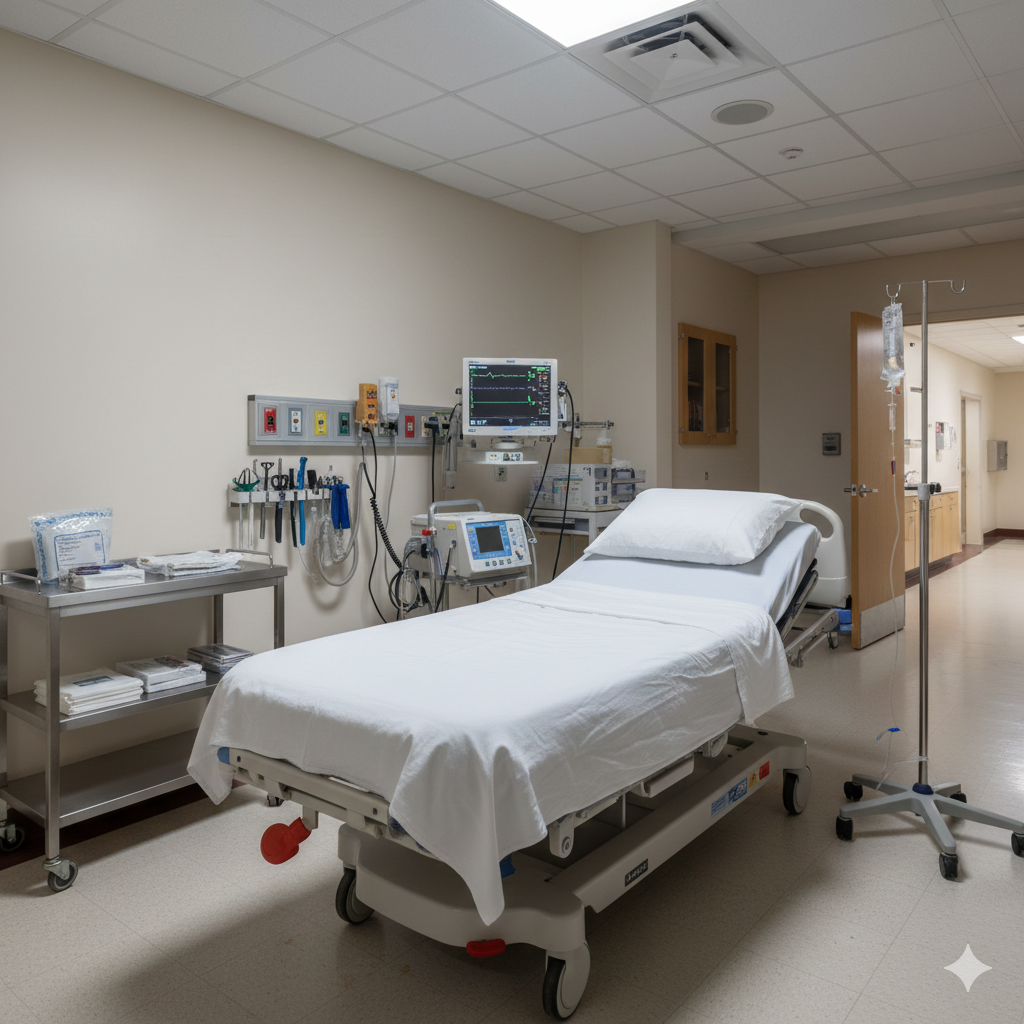
A medical emergency is a sudden, serious health condition that poses an immediate risk to life or long-term health if not treated within minutes. The American College of Emergency Physicians defines it as any condition that a reasonable person would believe requires immediate medical intervention to prevent death, permanent impairment, or severe organ damage.
Examples include heart attacks, strokes, major trauma, severe allergic reactions (anaphylaxis), and difficulty breathing. These conditions require the advanced life-support equipment, surgical teams, and critical care resources that only a hospital emergency department can provide.
The key word is “immediate.” If delaying treatment by even 30 minutes could result in permanent harm or death, it is an emergency.
When Is Urgent Care the Right Choice?
Urgent care is the right choice when your condition needs same-day medical attention but does not threaten your life. Think of it as the middle ground between your primary care doctor’s office and the emergency room.
Sprains, minor fractures, cuts that may need stitches, ear infections, flu symptoms, urinary tract infections, and mild allergic reactions all fall into this category. These conditions are uncomfortable and sometimes painful, but they are medically stable. You are alert, breathing normally, and not at risk of rapid deterioration.
Choosing urgent care for these situations means shorter wait times, significantly lower costs, and treatment from experienced medical professionals who handle these conditions every day.
Four Signs of an Emergency You Should Never Ignore
These four warning signs indicate that something potentially life-threatening is happening inside your body. Each one requires an immediate call to 911. Do not drive yourself. Do not wait to see if it passes. Act immediately.
Chest Pain or Difficulty Breathing
Chest pain is the single most common reason people visit emergency rooms in the United States. Not all chest pain signals a heart attack, but you cannot make that determination on your own without diagnostic equipment.
Call 911 if you experience pressure, squeezing, or tightness in your chest that lasts more than a few minutes. Pay attention if the pain radiates to your jaw, neck, shoulder, or left arm. Shortness of breath that comes on suddenly, especially at rest or with minimal activity, is equally serious.
Difficulty breathing can indicate a heart attack, pulmonary embolism, severe asthma attack, or anaphylaxis. According to the Centers for Disease Control and Prevention, approximately 805,000 Americans have a heart attack each year, and many initially dismiss their symptoms as indigestion or anxiety.
In Honolulu, where outdoor activities, humidity, and travel-related stress are common, chest pain and breathing difficulty should never be brushed off. If you are unsure, err on the side of calling 911. Paramedics can perform an EKG in the ambulance and begin treatment before you reach the hospital.
Uncontrolled or Severe Bleeding
Bleeding becomes an emergency when you cannot stop it with direct pressure within 10 minutes, when blood is spurting or pulsing from a wound, or when the injury involves a deep puncture to the chest, abdomen, or neck.
Severe blood loss leads to hemorrhagic shock, a condition where your organs begin to fail because they are not receiving enough oxygenated blood. Signs of significant blood loss include pale or clammy skin, rapid heartbeat, dizziness, and confusion.
Internal bleeding is harder to detect but equally dangerous. Symptoms include vomiting blood, coughing up blood, blood in your stool or urine, severe abdominal pain with swelling, or significant bruising after trauma. If you suspect internal bleeding after a fall, car accident, or impact injury, call 911 immediately.
Minor cuts, scrapes, and small lacerations that stop bleeding with pressure are not emergencies. These are conditions that urgent care clinics treat routinely, often with stitches, wound cleaning, and a tetanus booster if needed.
Sudden Numbness, Confusion, or Slurred Speech
These symptoms are the hallmark warning signs of a stroke. A stroke occurs when blood flow to part of your brain is blocked or when a blood vessel in your brain bursts. Every minute without treatment, approximately 1.9 million brain cells die, according to the American Stroke Association.
The acronym BE-FAST helps you recognize stroke symptoms quickly:
- Balance: Sudden loss of balance or coordination
- Eyes: Sudden vision changes in one or both eyes
- Face: One side of the face droops when smiling
- Arms: One arm drifts downward when both are raised
- Speech: Slurred, garbled, or inability to speak
- Time: Call 911 immediately
Stroke treatment is extremely time-sensitive. Clot-busting medications like tPA must be administered within 3 to 4.5 hours of symptom onset to be effective. The sooner you reach a stroke center, the better the outcome.
Sudden confusion without other stroke symptoms can also indicate dangerously low blood sugar, a severe infection, poisoning, or a drug reaction. Regardless of the cause, sudden mental status changes always warrant emergency evaluation.
Loss of Consciousness or Severe Head Injury
Losing consciousness, even briefly, signals that your brain has experienced a significant disruption. This can result from head trauma, cardiac arrest, seizures, severe dehydration, or a sudden drop in blood pressure.
After any head injury, watch for these red flags that indicate a medical emergency: loss of consciousness for any duration, repeated vomiting, seizures, one pupil larger than the other, increasing confusion, inability to recognize people or places, and clear fluid draining from the nose or ears.
The CDC reports that traumatic brain injuries contribute to roughly 190 deaths per day in the United States. Many of these involve falls, which are common among older adults and young children.
In Honolulu, head injuries frequently occur during surfing, hiking, cycling, and other outdoor activities. If someone hits their head and loses consciousness, even for a few seconds, do not assume they are fine when they wake up. Call 911 and let emergency physicians evaluate them with imaging and neurological testing.
What to Do When You Recognize an Emergency
Recognizing the signs is the first step. Knowing how to respond is the second. Your actions in the first few minutes can directly influence whether someone survives.
Call 911 Immediately
Do not drive to the emergency room yourself if you are experiencing emergency symptoms. Paramedics bring the emergency room to you. They carry defibrillators, oxygen, IV medications, and advanced airway equipment. They can begin life-saving treatment in the ambulance and communicate with the hospital so the trauma or cardiac team is ready when you arrive.
When you call 911 in Honolulu, stay on the line. Give your exact location, describe the symptoms clearly, and follow the dispatcher’s instructions. They are trained to guide you through CPR, bleeding control, and other interventions while help is on the way.
Steps to Take While Waiting for Help
- Stay calm. Panic makes it harder to think clearly and can increase the patient’s anxiety.
- Do not move the person unless they are in immediate danger (fire, traffic, collapsing structure).
- Apply direct pressure to any visible bleeding using a clean cloth.
- If the person is unconscious and not breathing, begin CPR if you are trained. The 911 dispatcher can walk you through hands-only CPR.
- Note the time symptoms started. This information is critical for stroke and heart attack treatment decisions.
- Gather medications. If possible, have a list of the person’s current medications ready for paramedics.
- Unlock the door and turn on lights so paramedics can find you quickly.
Conditions That Feel Urgent but Are Not Emergencies
Anxiety and pain can make any medical situation feel like an emergency. That is a normal human response. But many conditions that feel alarming are actually well within the scope of urgent care treatment.
Understanding the difference helps you get faster care at a lower cost, without the long ER wait times that come with lower-acuity conditions being triaged behind true emergencies.
Common Symptoms That Urgent Care Can Treat
Urgent care clinics are equipped to diagnose and treat a wide range of conditions, including:
- Fevers, colds, flu, and COVID-19 testing
- Ear infections, sinus infections, and sore throats
- Sprains, strains, and minor fractures
- Cuts and lacerations requiring stitches
- Urinary tract infections
- Mild to moderate allergic reactions (hives, rash)
- Minor burns
- Back pain and muscle injuries
- Insect bites and stings
- Pink eye and minor eye irritation
- Nausea, vomiting, and diarrhea (without signs of severe dehydration)
These conditions need medical attention, but they do not require the intensive resources of an emergency department.
How to Tell the Difference Quickly
Ask yourself these three questions:
Is the person conscious and alert? If yes, it is likely not an emergency.
Can they breathe normally? If yes, urgent care can probably help.
Is the bleeding controlled with pressure? If yes, stitches at urgent care are the appropriate next step.
If the answer to any of these is “no,” call 911.
| Symptom | Emergency (Call 911) | Urgent Care |
| Chest pain with shortness of breath | Yes | No |
| Minor cut with controlled bleeding | No | Yes |
| Sudden slurred speech | Yes | No |
| Sprained ankle, can bear some weight | No | Yes |
| High fever with stiff neck and confusion | Yes | No |
| Ear pain and fever in a child | No | Yes |
| Loss of consciousness | Yes | No |
| Mild allergic reaction (hives only) | No | Yes |
This table is a starting point. When in doubt, call 911 or your local emergency number. It is always better to be evaluated and sent home than to wait and risk a worse outcome.
Why Choosing the Right Level of Care Matters in Honolulu
Honolulu’s healthcare landscape includes major hospital emergency departments, freestanding ERs, and urgent care clinics. Each serves a different purpose and comes with a very different price tag. Making the right choice protects both your health and your finances.
Emergency Room Costs vs. Urgent Care Costs
The cost difference between an ER visit and an urgent care visit is significant. According to UnitedHealth Group research, the average emergency room visit in the United States costs approximately $2,200, while the average urgent care visit costs between $100 and $250 for similar non-emergency conditions.
For uninsured patients or visitors to Honolulu without local coverage, this difference is even more impactful. An ER visit for a condition that urgent care could have treated means paying emergency-level facility fees, physician fees, and potentially unnecessary imaging costs.
Choosing urgent care for non-life-threatening conditions saves money and often saves time. ER wait times for lower-acuity patients can stretch to several hours because true emergencies are always prioritized first.
Insurance Coverage and Self-Pay Options
Most health insurance plans cover urgent care visits with a copay that is significantly lower than an ER copay. A typical urgent care copay ranges from $25 to $75, while ER copays often start at $150 to $500 or more, depending on your plan.
If you are a visitor to Honolulu, a self-pay patient, or someone between insurance plans, urgent care clinics with transparent pricing give you a clear picture of costs before treatment begins. This eliminates the surprise billing that often accompanies emergency room visits.
Travel insurance policies also frequently cover urgent care visits for injuries and illnesses that occur during your trip. Check your policy details or call your insurer before your visit to understand your coverage.
How Honolulu Urgent Care Clinic Supports Your Health Decisions
Knowing the four signs of an emergency helps you act fast when seconds count. For everything else, having a trusted urgent care provider means you do not have to choose between getting care and worrying about cost.
Transparent Pricing and What to Expect
Honolulu Urgent Care Clinic provides clear, upfront pricing so you know what your visit will cost before you walk through the door. There are no hidden fees, no surprise bills weeks later, and no confusion about what is included.
Our team explains costs during check-in, verifies your insurance coverage in real time, and offers competitive self-pay rates for uninsured patients and visitors. You get the same quality of medical care regardless of how you pay.
Walk-In Availability for Residents and Visitors
You do not need an appointment. Honolulu Urgent Care Clinic accepts walk-ins for residents, tourists, and families who need prompt medical attention for non-emergency conditions. Our clinic is staffed by experienced medical professionals who treat everything from infections and minor injuries to travel-related illnesses.
Whether you live in Honolulu or are visiting the islands, having a plan for non-emergency medical needs means faster treatment, lower costs, and less stress when something unexpected happens.
Conclusion
The four signs of a medical emergency are chest pain or difficulty breathing, uncontrolled bleeding, sudden numbness or confusion with slurred speech, and loss of consciousness or severe head injury. Recognizing these signs and calling 911 immediately gives you or your loved one the best chance of a positive outcome.
For the many medical situations that feel urgent but are not life-threatening, urgent care provides fast, affordable, and professional treatment without the high costs and long waits of an emergency room. Knowing the difference puts you in control of your healthcare decisions.
We are here when you need us. Visit Honolulu Urgent Care Clinic for transparent pricing, experienced providers, and same-day walk-in care for non-emergency conditions. Get the treatment you need with the clarity and compassion you deserve.
Frequently Asked Questions
What are the four main signs of a medical emergency?
The four main signs are chest pain or difficulty breathing, uncontrolled or severe bleeding, sudden numbness, confusion, or slurred speech, and loss of consciousness or severe head injury. If you or someone near you experiences any of these, call 911 immediately.
Should I go to the ER or urgent care for a high fever?
A high fever alone is usually treatable at urgent care. However, if the fever is accompanied by a stiff neck, severe confusion, difficulty breathing, or a rash that does not fade when pressed, go to the emergency room. These combinations can indicate meningitis or sepsis.
How much does an urgent care visit cost compared to the ER in Honolulu?
An urgent care visit typically costs between $100 and $250, while an ER visit averages around $2,200 for similar non-emergency conditions. Choosing urgent care for appropriate conditions can save you significant money, especially if you are uninsured or visiting Honolulu.
Can urgent care treat cuts that need stitches?
Yes. Urgent care clinics routinely treat lacerations that require stitches, wound cleaning, and bandaging. If the cut is deep, bleeding is controlled with pressure, and no tendons or bones are visible, urgent care is the appropriate and more affordable choice.
What should I do if I am unsure whether my symptoms are an emergency?
Call 911 or your local emergency number. Dispatchers are trained to help you assess the situation over the phone. It is always safer to be evaluated and cleared than to delay care for a potentially serious condition.
Does Honolulu Urgent Care Clinic accept walk-ins and visitors?
Yes. Honolulu Urgent Care Clinic accepts walk-in patients with no appointment needed. We treat residents, tourists, and families visiting the islands. Our team verifies insurance in real time and offers transparent self-pay pricing for uninsured patients.
When should I call 911 instead of driving to the hospital?
Call 911 whenever someone is experiencing chest pain, difficulty breathing, uncontrolled bleeding, stroke symptoms, loss of consciousness, or severe trauma. Paramedics can begin life-saving treatment in the ambulance and alert the hospital team before arrival, which saves critical time.