Most symptoms that feel too serious to wait on but are not life-threatening belong at urgent care. Conditions like fevers, minor fractures, infections, cuts, and stomach issues are treated quickly and affordably at an urgent care clinic rather than a hospital emergency room.
For residents, visitors, and families in Honolulu, knowing which symptoms warrant urgent care can save hours of waiting and hundreds of dollars in medical bills.
This guide breaks down the most common urgent care symptoms, explains when the ER is the better choice, and covers costs, insurance, and what to expect at your visit.
Understanding Urgent Care and When You Need It
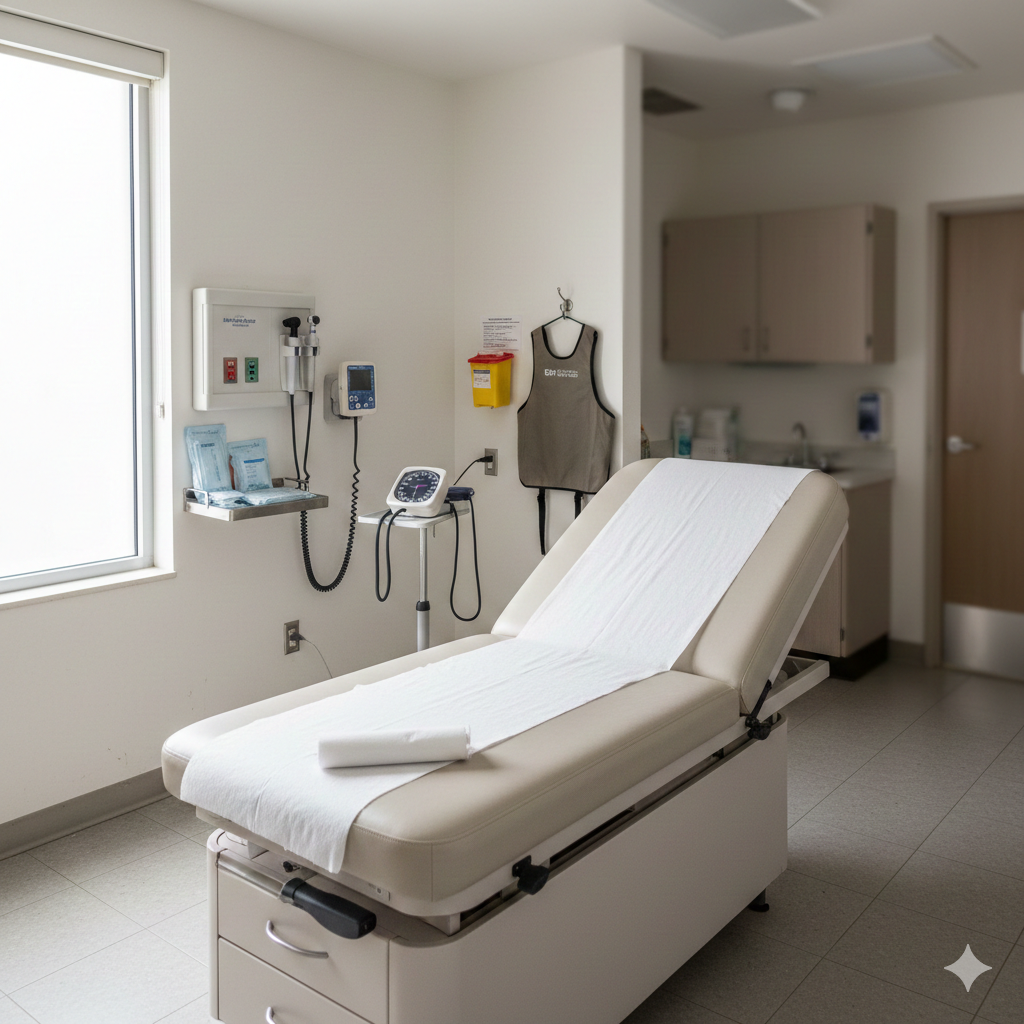
Urgent care fills a critical gap in the healthcare system. It sits between your primary care doctor’s office and the hospital emergency room, handling conditions that need same-day attention but do not pose an immediate threat to your life. For many people in Honolulu, whether you live here year-round or are visiting the islands, urgent care is the fastest and most cost-effective path to treatment for dozens of common medical issues.
Understanding what urgent care is designed for helps you make a confident decision when symptoms appear unexpectedly.
What Is Urgent Care?
Urgent care is a type of walk-in medical facility that treats non-life-threatening injuries and illnesses without an appointment. These clinics are staffed by licensed physicians, nurse practitioners, and medical assistants trained to diagnose and treat a wide range of conditions on the spot.
Most urgent care centers offer on-site diagnostics including X-rays, lab work, and rapid testing for infections like strep throat, influenza, and COVID-19. They typically operate with extended hours, including evenings and weekends, making them accessible when your primary care provider is unavailable.
Urgent care is built for speed and efficiency. The average visit takes between 30 and 60 minutes from check-in to discharge, compared to several hours at a hospital emergency department.
How Urgent Care Differs From Emergency Rooms and Primary Care
Choosing between urgent care, the ER, and your primary care doctor depends on the severity and timing of your symptoms.
| Factor | Primary Care | Urgent Care | Emergency Room |
| Appointment needed | Yes | No (walk-in) | No |
| Wait time | Days to weeks | 15-45 minutes | 1-4+ hours |
| Hours | Weekday business hours | Extended, weekends included | 24/7 |
| Conditions treated | Preventive care, chronic conditions | Acute non-emergency illness/injury | Life-threatening emergencies |
| Average cost | $150-$300 | $100-$350 | $1,000-$3,000+ |
| On-site diagnostics | Limited | X-ray, lab, rapid tests | Full imaging, surgery, ICU |
Your primary care physician handles routine checkups, chronic disease management, and preventive screenings. Urgent care handles the unexpected: the sprained ankle on a Saturday, the ear infection that worsens overnight, or the cut that needs stitches while your doctor’s office is closed.
The emergency room is reserved for conditions where delayed treatment could result in permanent harm or death. Chest pain, stroke symptoms, severe allergic reactions with airway compromise, and major trauma all require emergency care.
Common Symptoms You Should Take to Urgent Care
The majority of urgent care visits involve a predictable set of symptoms and conditions. These are medical issues that need professional attention within hours, not days, but do not require the advanced life-support capabilities of a hospital.
If you are experiencing any of the following symptoms, urgent care is likely your best option.
Fever, Flu, and Cold Symptoms
A fever above 100.4°F in adults, especially when accompanied by body aches, chills, congestion, or a persistent cough, is one of the most common reasons people visit urgent care. Influenza, COVID-19, respiratory infections, and the common cold can all produce symptoms that feel miserable but respond well to outpatient treatment.
Urgent care providers can perform rapid diagnostic tests to identify the specific virus or bacterial infection causing your symptoms. This matters because treatment differs significantly. Bacterial infections may require antibiotics, while viral infections like the flu may benefit from antiviral medications like oseltamivir (Tamiflu) if caught within the first 48 hours.
You should visit urgent care for fever and respiratory symptoms when:
- Your fever persists for more than two days without improvement
- You develop a productive cough with discolored mucus
- You experience shortness of breath during normal activities (not severe or sudden)
- Over-the-counter medications are not controlling your symptoms
- You need a doctor’s note for work or school clearance
Minor Cuts, Burns, and Wounds
Lacerations that are bleeding but controllable with direct pressure, minor burns smaller than three inches in diameter, and wounds that may need stitches or wound glue are all appropriate for urgent care treatment.
Urgent care clinics can clean and close wounds, administer tetanus boosters if needed, and prescribe antibiotics to prevent infection. First-degree burns and small second-degree burns are treated with wound care, pain management, and follow-up instructions.
Seek urgent care for wounds when:
- A cut is deeper than a quarter inch or has jagged edges
- Bleeding slows with pressure but the wound will not stay closed on its own
- A burn blisters but covers a small area and does not involve the face, hands, feet, or joints
- You have not had a tetanus shot in the past five years and sustained a puncture wound
- There are signs of early infection such as redness, warmth, or swelling around an existing wound
Sprains, Strains, and Minor Fractures
Twisted ankles, pulled muscles, jammed fingers, and suspected minor fractures are among the top reasons for urgent care visits. These injuries cause pain, swelling, and limited range of motion but do not involve visible bone deformity or inability to bear any weight.
Urgent care facilities equipped with X-ray machines can quickly determine whether you have a fracture or a soft tissue injury. Treatment typically includes splinting, wrapping, pain medication, ice and elevation instructions, and referral to an orthopedic specialist if needed.
Visit urgent care for musculoskeletal injuries when:
- You can still move the injured area, even if it hurts
- Swelling develops gradually rather than immediately and severely
- You suspect a toe, finger, or wrist fracture without visible deformity
- A sprain or strain is not improving after 24 hours of home care
- You need an X-ray to rule out a break
Ear Infections, Sore Throats, and Sinus Issues
Ear pain, sore throats, sinus pressure, and difficulty swallowing are extremely common urgent care complaints, particularly among children and travelers adjusting to new environments.
Strep throat requires a rapid strep test and antibiotic treatment to prevent complications. Ear infections, whether in the outer ear (common after swimming) or middle ear, often need prescription ear drops or oral antibiotics. Sinus infections that persist beyond 10 days or worsen after initial improvement typically indicate a bacterial infection that benefits from medical treatment.
Urgent care is the right choice when:
- Ear pain is moderate to severe and disrupting sleep or daily activities
- A sore throat lasts more than two days or is accompanied by fever and swollen lymph nodes
- Sinus congestion and facial pressure persist beyond a week
- A child is pulling at their ears, irritable, and running a fever
- You need a rapid strep test or flu test
Urinary Tract Infections and Stomach Problems
Urinary tract infections (UTIs) cause burning during urination, frequent urges to urinate, lower abdominal pressure, and sometimes cloudy or strong-smelling urine. UTIs are one of the most straightforward conditions treated at urgent care. A simple urinalysis confirms the diagnosis, and a short course of antibiotics typically resolves symptoms within one to three days.
Stomach problems including nausea, vomiting, diarrhea, and moderate abdominal pain are also well-suited for urgent care evaluation. Providers can assess for dehydration, food poisoning, gastroenteritis, and other common gastrointestinal conditions. Treatment may include anti-nausea medication, IV fluids for dehydration, and dietary guidance.
Visit urgent care for these symptoms when:
- UTI symptoms appear and you need same-day treatment
- Vomiting or diarrhea lasts more than 24 hours
- You show signs of mild to moderate dehydration such as dark urine, dizziness, or dry mouth
- Abdominal pain is uncomfortable but not severe, sudden, or localized to the lower right side
Skin Rashes, Insect Bites, and Allergic Reactions
Unexplained rashes, itchy or swollen insect bites, poison ivy or poison oak reactions, and mild allergic reactions with localized hives are all treatable at urgent care.
Providers can identify common skin conditions like contact dermatitis, eczema flare-ups, fungal infections, and cellulitis. Treatment options include topical or oral steroids, antihistamines, antibiotics for infected bites, and guidance on when to seek further dermatological care.
Urgent care is appropriate when:
- A rash spreads or worsens over 24 to 48 hours
- An insect bite becomes increasingly red, swollen, or warm to the touch
- Hives appear but are not accompanied by throat swelling, difficulty breathing, or dizziness
- You develop a skin reaction after exposure to a new plant, product, or environment
- A child has a rash with fever but is otherwise alert and responsive
Symptoms That Require the Emergency Room Instead
Knowing when to skip urgent care and go directly to the emergency room can save your life. The distinction is straightforward: if a condition could cause permanent damage or death without immediate advanced medical intervention, it belongs in the ER.
Chest Pain, Difficulty Breathing, and Stroke Signs
Chest pain or pressure, especially when combined with shortness of breath, pain radiating to the arm or jaw, sweating, or nausea, requires emergency evaluation. These symptoms may indicate a heart attack, pulmonary embolism, or other cardiac emergency.
Sudden, severe difficulty breathing that comes on without exertion, or breathing problems accompanied by bluish lips or fingertips, demands emergency care with advanced airway management and monitoring capabilities that urgent care clinics do not have.
Stroke symptoms follow the FAST protocol: Face drooping, Arm weakness, Speech difficulty, Time to call 911. Sudden severe headache, confusion, vision changes, or loss of coordination also warrant immediate emergency transport.
Call 911 or go to the ER immediately for:
- Chest pain or tightness lasting more than a few minutes
- Sudden inability to breathe or speak
- One-sided weakness, facial drooping, or slurred speech
- Sudden severe headache described as “the worst headache of my life”
Severe Bleeding, Head Injuries, and Loss of Consciousness
Bleeding that cannot be controlled with 10 minutes of firm, direct pressure requires emergency care. Deep wounds exposing muscle, tendon, or bone, and any wound caused by a high-force mechanism such as a car accident or significant fall, should be evaluated in the ER.
Head injuries with loss of consciousness, even briefly, need emergency assessment. Repeated vomiting after a head injury, worsening confusion, unequal pupil size, or seizures are all signs of a potentially serious brain injury.
Any episode of fainting, seizure, or loss of consciousness without a known, benign cause should be evaluated emergently to rule out cardiac, neurological, or metabolic emergencies.
Urgent Care Symptoms Specific to Honolulu Residents and Visitors
Living in or visiting Honolulu comes with unique health considerations. The tropical climate, ocean activities, and travel-related exposures create a specific set of symptoms that urgent care clinics here treat regularly.
Travel-Related Illnesses and Injuries in Hawaii
Travelers arriving in Honolulu may experience symptoms related to jet lag, altitude changes during inter-island flights, or exposure to unfamiliar foods and environments. Traveler’s diarrhea, respiratory infections picked up during long flights, and flare-ups of pre-existing conditions triggered by travel stress are all common urgent care presentations.
Visitors who forgot to pack prescription medications or who run out during an extended stay can also visit urgent care for prescription refills of non-controlled medications. This is a practical and affordable alternative to an ER visit for medication access.
If you are visiting from the mainland or internationally, urgent care can also provide documentation for travel insurance claims and return-to-travel medical clearances.
Sunburn, Dehydration, and Ocean-Related Injuries
Hawaii’s sun intensity catches many visitors off guard. Severe sunburn with blistering, sun poisoning symptoms like nausea, headache, and chills, and heat-related dehydration are frequent urgent care visits in Honolulu, particularly during summer months.
Ocean-related injuries are another common category. Coral cuts are prone to infection due to the organic material embedded in the wound. Sea urchin spine punctures, jellyfish stings that cause persistent pain or allergic reaction, and reef abrasions all benefit from professional cleaning, treatment, and infection prevention at urgent care.
Surfers, snorkelers, and swimmers may also present with outer ear infections (swimmer’s ear), saltwater aspiration symptoms, or minor injuries from ocean conditions.
Visit urgent care in Honolulu when:
- Sunburn covers a large area and blisters are forming
- You feel dizzy, nauseated, or have a headache after sun exposure
- A coral cut or reef scrape shows signs of infection
- A jellyfish sting causes a reaction beyond the immediate sting site
- You have persistent ear pain after ocean activities
What to Expect During Your Urgent Care Visit
Understanding the urgent care process before you arrive reduces anxiety and helps you prepare. Most visits follow a predictable, efficient workflow.
Walk-In Process and Typical Wait Times
Urgent care clinics operate on a walk-in basis. No appointment is needed. When you arrive, you will check in at the front desk, provide your identification and insurance information (or indicate self-pay), and complete a brief intake form describing your symptoms.
Many clinics now offer online check-in, allowing you to join the queue from your phone before arriving. This can significantly reduce your in-clinic wait time.
Typical wait times at urgent care range from 15 to 45 minutes depending on patient volume and the complexity of cases ahead of you. This is substantially shorter than the average emergency room wait, which the CDC reports often exceeds two hours nationally.
Diagnostics, Treatment, and Follow-Up Care
After triage, a medical provider will examine you, review your symptoms and medical history, and determine what diagnostics are needed. Common in-clinic tests include:
- X-rays for suspected fractures or joint injuries
- Rapid tests for strep, flu, COVID-19, and UTIs
- Basic blood work and urinalysis
- Wound assessment and measurement
- Vital sign monitoring
Treatment happens during the same visit. You may receive prescriptions, splinting, wound closure, IV fluids, injections, or breathing treatments depending on your condition. Before discharge, your provider will explain your diagnosis, treatment plan, medication instructions, and any follow-up recommendations.
If your condition requires specialist care, imaging beyond X-ray, or hospital admission, urgent care providers will coordinate the appropriate referral and transfer.
Urgent Care Costs and Insurance Coverage in Honolulu
Cost is one of the biggest factors in deciding where to seek care. Urgent care is consistently more affordable than the emergency room for non-life-threatening conditions.
Average Visit Costs and Self-Pay Pricing
Urgent care visit costs vary based on the complexity of your condition and the services required. Here is a general pricing framework:
| Service | Estimated Cost Range |
| Basic urgent care visit (exam + diagnosis) | $100 – $200 |
| Visit with X-ray | $150 – $300 |
| Visit with lab work | $150 – $350 |
| Wound repair (stitches/glue) | $200 – $500 |
| IV fluids for dehydration | $200 – $400 |
| Splinting for minor fracture | $200 – $400 |
Compare these figures to the average emergency room visit. The Health Care Cost Institute reports that the average ER visit in the United States costs over $1,400 for conditions that could have been treated at urgent care. For uninsured or self-pay patients, ER bills frequently exceed $2,000 to $3,000 before any additional testing or treatment.
Self-pay patients at urgent care typically receive transparent, upfront pricing before treatment begins. Many clinics offer flat-rate or bundled pricing for common conditions, eliminating the surprise billing that often accompanies hospital visits.
Insurance Accepted and Billing Transparency
Most urgent care clinics in Honolulu accept major insurance plans including HMSA, Kaiser (for out-of-network urgent situations), UHA, AlohaCare, Medicaid, Medicare, and most mainland PPO and HMO plans. Visitors with travel insurance or out-of-state coverage can typically use their benefits at urgent care with standard copay structures.
Your urgent care copay depends on your specific insurance plan but generally ranges from $25 to $75, significantly less than an ER copay, which often falls between $150 and $500.
Before your visit, you can call ahead to verify that your insurance is accepted. Transparent billing means you will understand your financial responsibility before treatment, not after.
For self-pay patients, ask about cash-pay discounts. Many urgent care clinics offer reduced rates for patients paying out of pocket at the time of service.
How to Decide Between Urgent Care and the ER
When symptoms appear suddenly, the decision between urgent care and the emergency room can feel overwhelming. This comparison simplifies the choice.
| Go to Urgent Care | Go to the Emergency Room |
| Fever under 104°F in adults | Fever over 104°F or fever in infants under 3 months |
| Minor cuts needing stitches | Uncontrollable bleeding |
| Sprains and suspected minor fractures | Visible bone deformity or compound fractures |
| Ear infections, sore throat, sinus pain | Chest pain, jaw pain, arm numbness |
| UTI symptoms | Blood in urine with severe flank pain |
| Mild to moderate allergic reactions (hives, localized swelling) | Anaphylaxis (throat swelling, difficulty breathing, rapid pulse) |
| Vomiting/diarrhea with mild dehydration | Vomiting blood or severe abdominal pain |
| Mild to moderate asthma flare-up | Severe breathing difficulty, blue lips |
| Sunburn, minor burns | Large or deep burns, chemical burns, electrical burns |
| Insect bites with localized reaction | Insect bites with systemic reaction or difficulty breathing |
The simplest rule: If you believe the condition could be life-threatening or cause permanent damage without immediate intervention, go to the ER or call 911. For everything else, urgent care provides faster, more affordable, and equally professional medical treatment.
When in doubt, call your urgent care clinic. Most have phone triage available and can advise you on whether your symptoms are appropriate for their facility or require emergency care.
Conclusion
Recognizing which symptoms belong at urgent care protects your health, your time, and your wallet. From fevers and fractures to infections and ocean injuries, urgent care handles the vast majority of unexpected medical needs quickly and affordably.
Honolulu residents and visitors deserve clear, honest guidance about where to seek care and what it will cost. Transparent pricing, experienced providers, and efficient treatment make urgent care the smart choice for non-emergency symptoms.
We are here when you need us. Visit Honolulu Urgent Care Clinic for fast, affordable treatment you can trust, with no surprises and no unnecessary ER bills.
Frequently Asked Questions
Can I go to urgent care for a fever?
Yes. Urgent care treats fevers in adults and children, including diagnostic testing for flu, strep, and COVID-19. Seek emergency care only if a fever exceeds 104°F in adults or occurs in an infant under three months old.
Should I go to urgent care or the ER for a broken bone?
If you suspect a minor fracture without visible bone deformity and can still move the area somewhat, urgent care with X-ray capability can diagnose and splint the injury. Compound fractures or severe deformity require the ER.
Does urgent care treat UTIs?
Urgent care is one of the best places to treat a UTI. A simple urinalysis confirms the infection, and you leave with a prescription the same day. Most UTI symptoms improve within one to three days of starting antibiotics.
How much does an urgent care visit cost in Honolulu without insurance?
Self-pay urgent care visits in Honolulu typically range from $100 to $350 depending on the services needed. This is significantly less than an ER visit, which often exceeds $1,400 for similar conditions.
Can visitors to Honolulu use urgent care?
Absolutely. Urgent care clinics welcome visitors and travelers. Most accept out-of-state insurance, travel insurance, and self-pay. Clinics can also provide documentation for travel insurance claims.
What symptoms are too serious for urgent care?
Chest pain, stroke symptoms, severe bleeding, difficulty breathing, loss of consciousness, and major trauma all require emergency room care. If you believe a condition is life-threatening, call 911 immediately.
Do I need an appointment for urgent care?
No. Urgent care operates on a walk-in basis. Many clinics also offer online check-in so you can reserve your spot and reduce your wait time before arriving.