The best day and time to go to urgent care is mid-morning (10 a.m. to 12 p.m.) on Tuesday, Wednesday, or Thursday. These windows offer the shortest wait times at most clinics. Patients who visit during these periods often get seen faster than those arriving at peak hours.
Long waits can turn a simple visit into an all-day event. At Honolulu Urgent Care Clinic, we help patients plan smarter visits with transparent wait time information.
This guide reveals exactly when to visit, when to avoid, and how to cut your wait time in half. You will learn local patterns specific to Honolulu that affect clinic traffic.
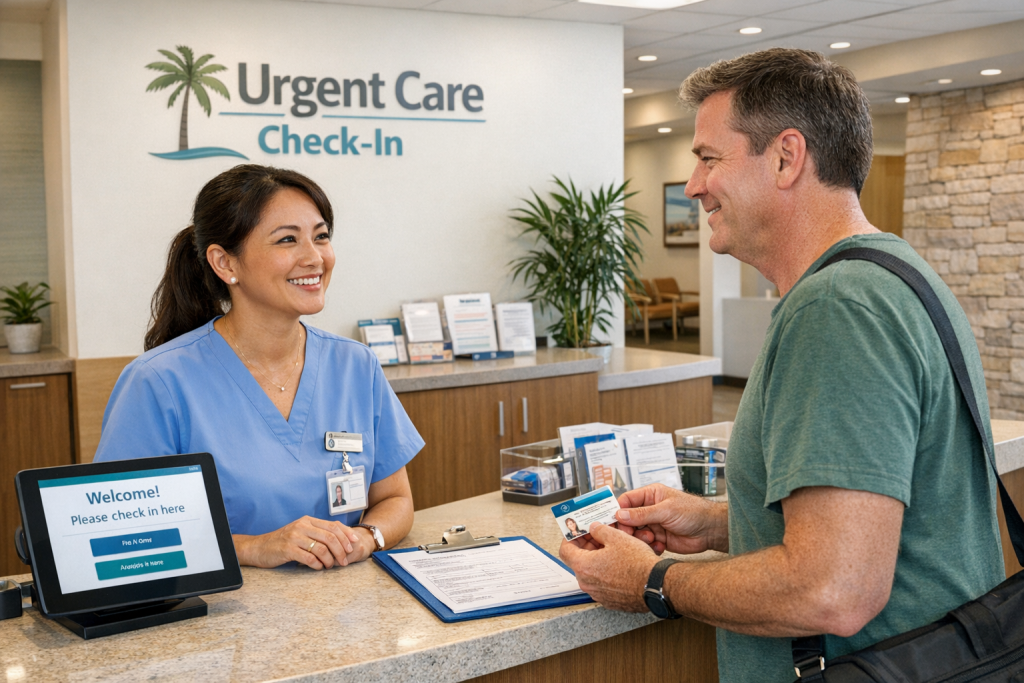
The Best Days and Times to Visit Urgent Care
Timing your urgent care visit can save you hours of waiting. Most clinics see predictable traffic patterns throughout the week. Smart patients use these patterns to their advantage.
Best Times of Day (Mid-Morning and Early Afternoon)
Mid-morning hours between 10 a.m. and 12 p.m. typically have the shortest wait times. The early morning rush has cleared by then. Staff members have settled into their workflow. Patients arriving during this window often wait 15 to 30 minutes less than those coming at peak times.
Early afternoon from 1 p.m. to 3 p.m. also works well. Lunch crowds have passed. The after-work rush has not started yet.
Best Days of the Week (Tuesday–Thursday)
Tuesday, Wednesday, and Thursday are the slowest days at most urgent care clinics. Monday brings weekend overflow patients. Friday sees people rushing before the weekend. Mid-week days avoid both problems.
Data from urgent care networks shows Tuesday has the lowest patient volume on average. Patients visiting on these days report shorter waits and calmer environments.
When Your Primary Care Office Is Closed but Urgent Care Is Still Quieter
Sunday evenings and early weekday mornings can be surprisingly quiet. Many patients assume urgent care is always packed when regular doctors are closed. This is not always true.
Sunday after 5 p.m. often sees reduced traffic. Most weekend patients have already been seen. Honolulu residents can use this window for non-emergency needs.
Times When Urgent Care Is Usually the Busiest
Knowing when to avoid urgent care is just as important as knowing when to go. Certain times create predictable bottlenecks at clinics.
Early Morning Rush (8–10 a.m.)
The first two hours after opening are typically the busiest. Patients who got sick overnight arrive first thing. Parents bring children before school or work. This creates a backlog that can last hours.
After Work and School Hours (5–7 p.m.)
Evening hours between 5 p.m. and 7 p.m. see major traffic spikes. Working adults finally have time to seek care. Parents bring kids after school activities end. Wait times during this window can exceed 45 minutes at busy clinics.
Busy Days Like Mondays and Fridays
Mondays handle weekend overflow while Fridays catch last-minute patients. People who got hurt or sick over the weekend flood clinics Monday morning. Friday patients want treatment before their doctors close for the weekend.
High-Volume Weekends, Especially Saturdays
Saturday is consistently the busiest day at urgent care centers nationwide. Primary care offices are closed. Families have time to address health concerns. Patient volumes can be 30% higher than weekday averages.
Why Wait Times Vary During the Day and Week
Several factors beyond patient volume affect how long you wait. Understanding these helps set realistic expectations.
Triage Rules and Severity of Conditions
Urgent care clinics see patients based on medical urgency, not arrival time. Someone with chest pain gets seen before a patient with a sprained ankle. This triage system means your wait depends partly on who else is there.
Staff Levels and Number of Providers
Clinics with multiple providers can see patients faster. Some locations have only one doctor during certain shifts. Others staff two or three providers during peak hours. More providers mean shorter waits.
Extra Time Needed for X-Rays or Lab Work
Patients needing imaging or lab tests take longer to process. A simple sore throat visit takes 15 minutes. A possible fracture requiring X-rays takes 45 minutes or more. When several complex cases arrive together, wait times increase for everyone.
Seasonal and Local Patterns Affecting Wait Times in Honolulu, HI
Honolulu has unique factors that affect urgent care traffic. Local residents should plan around these patterns.
Cold, Flu, and Allergy Seasons
Winter months bring respiratory illness surges to Honolulu clinics. Flu season typically peaks between December and February. Urgent care visits increase 20-40% during these months nationwide.
Tourist Surges Increasing Patient Volume
High tourist seasons add significant patient volume to Honolulu urgent care centers. Visitors without local doctors rely on urgent care for everything. Summer and winter holiday periods see the biggest tourist-related increases.
Military/TRICARE Processing and Base Traffic
Military families using TRICARE often choose off-base urgent care. Processing military insurance takes extra time. Clinics near bases see predictable traffic patterns around military schedules.
Holiday Weeks and Weather-Related Spikes
Holiday weeks create unpredictable patient surges. Regular doctors take vacation. Families gather and spread illness. Weather events can also drive sudden increases in injury-related visits.
How to Reduce Your Wait Time Before You Arrive
Smart preparation can cut your wait time significantly. These steps take just minutes but save hours.
Check Online Wait Times
Many urgent care clinics post real-time wait estimates online. Honolulu Urgent Care Clinic displays current wait times on our website. Checking before you leave helps you choose the best time.
Use Online Check-In or Save-Your-Spot Tools
Online check-in lets you wait at home instead of the lobby. You enter your information remotely. The clinic adds you to the queue. You arrive when your turn approaches.
Pick a Clinic With On-Site Imaging or Multiple Providers
Clinics with on-site X-ray and lab services process patients faster. Patients do not need referrals to outside facilities. Everything happens in one location.
Bring ID, Insurance, and a Short Symptom Summary
Having paperwork ready speeds up registration. Bring your ID, insurance card, and medication list. Write down your symptoms and when they started.
How to Get Seen Faster Once You Arrive
Your behavior at the clinic affects your wait time. These strategies help you move through the system efficiently.
Arrive During Off-Peak Hours
Timing your arrival during slow periods remains the best strategy. Mid-morning on Tuesday through Thursday offers the fastest service. Avoid Monday mornings and Saturday afternoons.
Communicate Symptoms Clearly at Check-In
Clear symptom descriptions help staff triage you accurately. Tell them exactly what hurts and how long it has lasted. Mention any concerning symptoms like fever or difficulty breathing.
Stay Near the Clinic if You Checked In Online
Patients who miss their turn go back to the end of the line. Stay within 10 minutes of the clinic. Keep your phone volume up for notifications.
When Urgent Care May Not Be the Fastest Option
Urgent care is not always the quickest path to treatment. Consider these alternatives for certain situations.
Telehealth for Simple Illnesses
Virtual visits handle many common conditions faster than in-person care. Sinus infections, pink eye, and UTIs often qualify for telehealth. You can get a prescription without leaving home.
Retail Clinics for Minor Issues
Pharmacy-based clinics treat simple conditions with minimal wait. Flu shots, minor rashes, and basic screenings work well here. These clinics typically cost less than urgent care.
ER When Symptoms Are Severe or Time-Sensitive
Emergency rooms are necessary for life-threatening conditions. Chest pain, stroke symptoms, and severe injuries require ER care. Do not delay emergency treatment to avoid urgent care waits.
Conclusion
Choosing the right day and time for urgent care makes a real difference in your experience. Mid-morning visits on Tuesday through Thursday offer the shortest waits. Avoiding Monday mornings and Saturday afternoons saves you hours.
Honolulu Urgent Care Clinic provides transparent wait times and efficient care for our community. We combine experienced providers with modern facilities to serve you quickly.
Visit Honolulu Urgent Care Clinic for fast, affordable treatment. Check our online wait times before you arrive. We are here to help you feel better without the long wait.
Frequently Asked Questions
What is the average wait time at urgent care?
Most urgent care visits take 15 to 45 minutes of waiting. Wait times depend on patient volume and case complexity. Visiting during off-peak hours reduces your wait.
Is urgent care faster than the emergency room?
Urgent care is typically much faster for non-emergency conditions. ER wait times often exceed two hours. Urgent care handles most minor illnesses and injuries efficiently.
Should I call ahead before going to urgent care?
Calling ahead is helpful but not required. Many clinics offer online check-in instead. This lets you reserve your spot without a phone call.
What conditions does urgent care treat?
Urgent care treats minor injuries, infections, and common illnesses. This includes sprains, cuts, flu, and UTIs. Chest pain and stroke symptoms require emergency care instead.
How much does an urgent care visit cost in Honolulu?
Urgent care visits typically cost between $100 and $200 without insurance. Insured patients pay their normal copay. This is significantly less than emergency room costs.
Can I go to urgent care without insurance?
Urgent care clinics accept self-pay patients. Many offer transparent pricing for uninsured visitors. Ask about cash-pay rates when you check in.
Is Saturday a bad day to visit urgent care?
Saturday is typically the busiest day at urgent care clinics. Wait times are often longest on Saturday afternoons. Sunday evening or mid-week visits offer shorter waits.