The main alternatives to urgent care include your primary care doctor, emergency rooms, telehealth services, and retail health clinics. Each option serves different medical needs and budgets. Choosing the right one depends on your symptoms, timing, and insurance coverage.
Many Honolulu residents face confusion when sudden health issues arise. They wonder where to go and how much it will cost. This guide helps you understand your healthcare options clearly.
You will learn when urgent care makes sense versus other choices. We cover costs, wait times, and what each option treats best.
Understanding the Role of Urgent Care Centers in Honolulu, HI
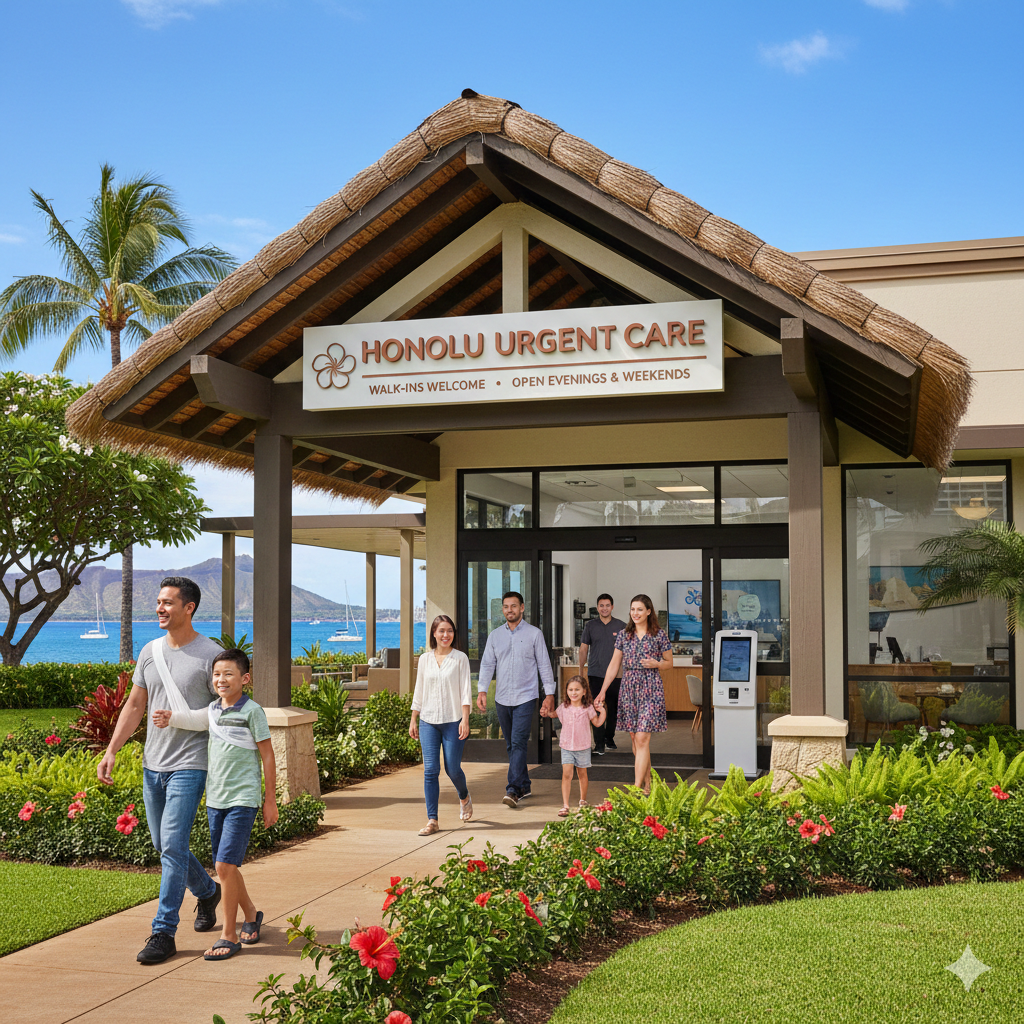
Urgent care centers fill a critical gap in Hawaii’s healthcare system. They handle non-emergency medical needs when your regular doctor is unavailable. According to the Urgent Care Association, over 89 million patients visit urgent care centers annually in the United States.
These clinics offer same-day treatment without appointments. Patients receive care for minor injuries and common illnesses quickly. The average urgent care visit takes about 30-60 minutes from check-in to discharge.
What Is Urgent Care and How It Differs from a Doctor’s Office
Urgent care provides immediate treatment for non-life-threatening conditions. Your primary care doctor focuses on ongoing health management and preventive care. The key difference lies in accessibility and appointment requirements.
Doctor’s offices typically require scheduled visits days or weeks ahead. Urgent care centers accept walk-ins during extended hours. Many Honolulu clinics stay open evenings and weekends when regular offices close.
How Urgent Care Bridges the Gap Between Primary and Emergency Services
Urgent care serves as a middle ground between routine doctor visits and emergency rooms. Patients get faster treatment than scheduling with their physician. They also avoid expensive ER bills for minor health concerns.
The American College of Emergency Physicians reports that up to 30% of ER visits could be handled at urgent care. This saves patients significant money and reduces emergency room overcrowding.
When to Go to Urgent Care Instead of a Doctor
Urgent care works best for sudden, non-emergency health problems. These conditions need same-day attention but won’t threaten your life. Knowing when to choose urgent care saves time and money.
Minor Cuts, Sprains, and Injuries
Minor cuts requiring stitches belong at urgent care centers. Sprains, strains, and minor fractures also qualify for urgent care treatment. These injuries need prompt attention but not emergency room resources.
Urgent care staff can clean wounds and apply sutures quickly. They also provide splints and wraps for joint injuries.
Common Illnesses Like Colds, Flu, and Sore Throats
Colds, flu, and sore throats respond well to urgent care treatment. Patients receive rapid testing and appropriate medications the same day. This prevents illness from worsening while waiting for a doctor appointment.
Infections Such as Ear, Urinary Tract, or Skin Infections
Ear infections, UTIs, and skin infections require prompt antibiotic treatment. Urgent care providers diagnose these conditions quickly with on-site testing. Early treatment prevents complications and speeds recovery.
Mild Allergic Reactions and Respiratory Issues
Mild allergic reactions without breathing difficulty suit urgent care visits. Minor asthma flare-ups and respiratory infections also qualify. However, severe breathing problems require emergency room care immediately.
Diagnostic and Treatment Capabilities of Honolulu Urgent Care Clinics
Modern urgent care clinics offer comprehensive diagnostic services on-site. Patients receive testing, diagnosis, and treatment in one convenient visit.
On-Site Labs and Rapid Diagnostic Testing
Most Honolulu urgent care centers provide rapid strep, flu, and COVID-19 tests. Blood work and urinalysis results often come back within hours. This speeds diagnosis and treatment significantly.
X-Ray and Imaging for Non-Emergency Injuries
X-ray services help diagnose fractures and joint injuries quickly. Many clinics offer digital imaging with fast results. This eliminates separate radiology appointments for minor injuries.
Prescriptions, Antibiotics, and Specialist Referrals
Urgent care providers prescribe necessary medications during your visit. They also arrange specialist referrals when needed. Your prescription goes directly to your preferred pharmacy.
When to See Your Primary Care Doctor Instead
Your primary care doctor remains essential for certain health needs. Some situations benefit from your physician’s knowledge of your medical history.
Routine Check-Ups and Preventive Screenings
Annual physicals and preventive screenings belong with your primary doctor. These visits track your health over time. Your doctor knows your baseline health status best.
Managing Chronic or Long-Term Health Conditions
Diabetes, heart disease, and other chronic conditions need ongoing management. Your primary care doctor coordinates this care effectively. They adjust medications and monitor your progress regularly.
Addressing Non-Urgent or Follow-Up Concerns
Non-urgent symptoms can wait for a scheduled doctor appointment. Follow-up visits after hospitalizations also suit your regular physician. This maintains continuity in your healthcare.
Cost and Accessibility of Urgent Care in Honolulu, HI
Understanding costs helps you make informed healthcare decisions. Urgent care typically costs less than emergency room visits.
Average Cost of an Urgent Care Visit in Honolulu
According to UnitedHealthcare, average urgent care visits cost between $100-$200 without insurance. This compares favorably to ER visits averaging $1,000 or more. Honolulu prices may vary by clinic and services needed.
Comparing Doctor Visit Costs vs. Urgent Care Fees
Primary care visits typically cost $150-$300 for uninsured patients. Urgent care falls within a similar range for basic visits. The convenience of no appointment often justifies urgent care costs.
Insurance Coverage and Copay Details for Honolulu Patients
Most insurance plans cover urgent care visits with copays ranging from $25-$75. Self-pay patients should ask about cash-pay discounts. Many Honolulu clinics offer transparent pricing upfront.
Finding Local Urgent Care Centers in Honolulu, HI
Locating quality urgent care requires some research. Several options exist across Oʻahu for residents and visitors.
Walk-In and After-Hours Urgent Care Options Across Oʻahu
Multiple urgent care centers operate throughout Honolulu and surrounding areas. Many offer evening and weekend hours for convenience. Walk-in availability eliminates appointment scheduling stress.
Typical Wait Times and Service Hours in Honolulu Clinics
Average wait times range from 15-45 minutes at most Honolulu urgent care centers. Peak hours occur on Monday mornings and weekend afternoons. Calling ahead can help you plan your visit.
How to Locate Licensed and Accredited Urgent Care Near You
Check for Urgent Care Association accreditation when choosing a clinic. Online reviews provide patient experience insights. Your insurance company’s website lists in-network urgent care options.
Choosing Between Urgent Care, a Doctor, or the ER
Making the right choice depends on your specific situation. Consider symptom severity, timing, and cost factors.
Key Factors to Consider Before Visiting Urgent Care
Evaluate whether your condition is truly urgent but not life-threatening. Consider if your regular doctor can see you soon. Think about your insurance coverage and out-of-pocket costs.
When to Contact Your Primary Doctor First
Call your doctor’s office first during business hours. Many practices offer same-day sick visits for established patients. This maintains your care continuity when possible.
How to Know If You Should Go to the Emergency Room Instead
Chest pain, severe bleeding, and difficulty breathing require emergency care. Signs of stroke or heart attack need immediate ER attention. When in doubt about severity, choose the emergency room.
What to Do After an Urgent Care Visit
Proper follow-up ensures complete recovery from your health issue. Take these steps after leaving urgent care.
Scheduling a Follow-Up Appointment with Your Doctor
Contact your primary care doctor within a few days. Share your urgent care visit summary with them. This keeps your medical team informed about your health.
Managing Prescriptions and Continuing Treatment
Fill prescriptions promptly and complete all medication courses. Follow discharge instructions carefully for best results. Contact your provider if symptoms worsen or don’t improve.
Updating Your Medical Records for Ongoing Care
Request copies of your urgent care records for your files. Share these with your primary doctor at your next visit. Complete records support better ongoing healthcare decisions.
Conclusion
Understanding your healthcare options empowers better decisions during medical situations. Urgent care serves as an excellent alternative when your doctor is unavailable. Emergency rooms remain essential for life-threatening conditions only.
Honolulu Urgent Care Clinic provides trusted, accessible care for non-emergency medical needs. We offer transparent pricing and experienced medical professionals. Our team helps you receive appropriate care without unnecessary ER visits.
Visit Honolulu Urgent Care Clinic for your next non-emergency health concern. We welcome walk-ins and provide clear cost guidance before treatment. Contact us today to learn more about our services.
Frequently Asked Questions
What conditions should I not bring to urgent care?
Chest pain, stroke symptoms, and severe injuries require emergency rooms. Life-threatening conditions need immediate ER attention. Urgent care handles non-emergency issues only.
Is urgent care cheaper than the emergency room?
Urgent care costs significantly less than emergency room visits. Average urgent care visits cost $100-$200 compared to $1,000+ for ER visits. Insurance copays are also typically lower.
Can urgent care prescribe antibiotics?
Urgent care providers prescribe antibiotics when medically appropriate. They diagnose infections and provide necessary medications during your visit. Prescriptions go directly to your pharmacy.
Do I need insurance to visit urgent care?
Insurance is not required for urgent care visits. Many clinics offer self-pay rates and payment plans. Ask about cash-pay discounts when scheduling.
How long is the typical urgent care wait time?
Most urgent care visits take 30-60 minutes total. Wait times vary by location and time of day. Calling ahead can help you plan accordingly.
Can urgent care treat children?
Most urgent care centers treat patients of all ages. They handle common childhood illnesses and minor injuries. Some clinics specialize in pediatric urgent care.
Should I go to urgent care or wait for my doctor?
Choose urgent care for same-day needs when your doctor is unavailable. Wait for your doctor for non-urgent concerns and routine care. Consider symptom severity when deciding.